Western powers resume contacts in Syria to prevent chaos

Western powers are looking to establish contact with Syria's new rulers, aiming to avoid Iraq- or Libya-style chaos after the fall of the Assad regime to Islamist-led rebels.

Europe's top diplomat Kaja Kallas was heading to Damascus on Monday, after a number of countries, including the United States, announced they had made initial approaches.

The situation in Syria, long allied with Iran and Russia, remains volatile and Western nations are wary of the Al-Qaeda roots of Hayat Tahrir al-Sham (HTS) that seized power in a lightning offensive.
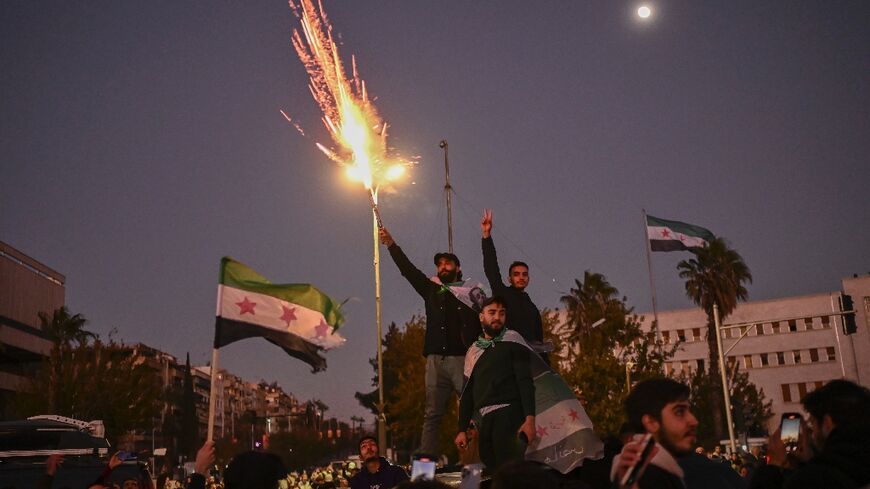
Western powers are looking to court Syria's new rulers

UN proposes Libya stabilization, election plan

The UN has presented a plan to Libya to help it organize elections, unify competing governments and overhaul its institutions, the UN envoy to the troubled country told the Security Council Monday.

The vast North African nation of 6.8 million people has struggled to recover from years of conflict after the 2011 NATO-backed uprising that overthrew longtime dictator Moamer Kadhafi.

Libya remains divided between a UN-recognized government based in the capital Tripoli and a rival administration in the east, backed by military strongman Khalifa Haftar.

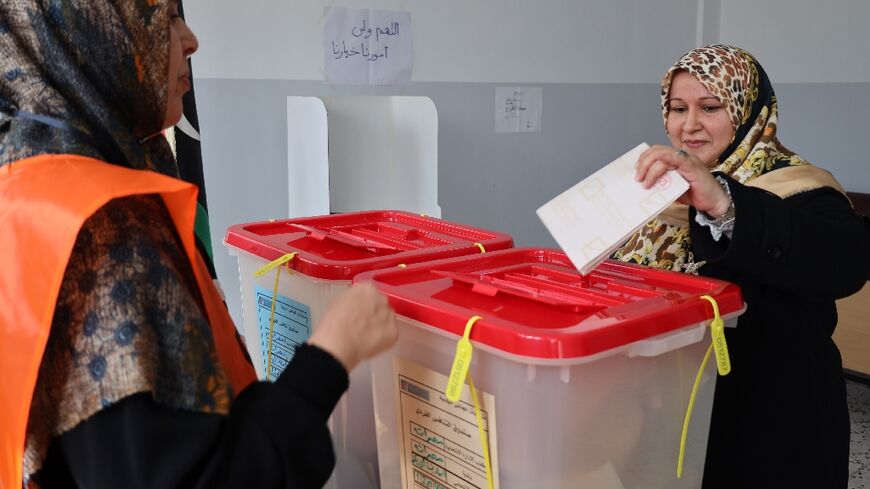
Some local and regional votes have been held in recent years, such as in Libya's third city Misrata in November 2024

'We're all Syrians': Soldiers hand in weapons, hope for quiet lives

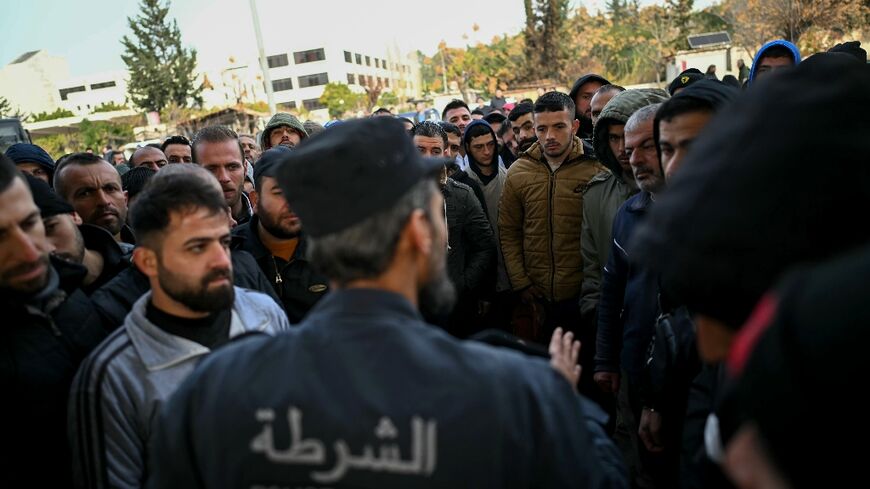
When Syria's new government put out a call on social media for soldiers and police to lay down their arms and register with the authorities, Kamal Merhej was happy to oblige.

"I don't like the army, I want to get back on track with my life without anyone to give me orders," the 28-year-old told AFP.

He spent nine years in the army, posted to the capital Damascus, and said he was now happy to be back in his home city of Latakia on the Mediterranean coast.

Syria's new rulers announced an amnesty for conscripts

Israeli strikes leave Syrian ammo dump a smoking ruin

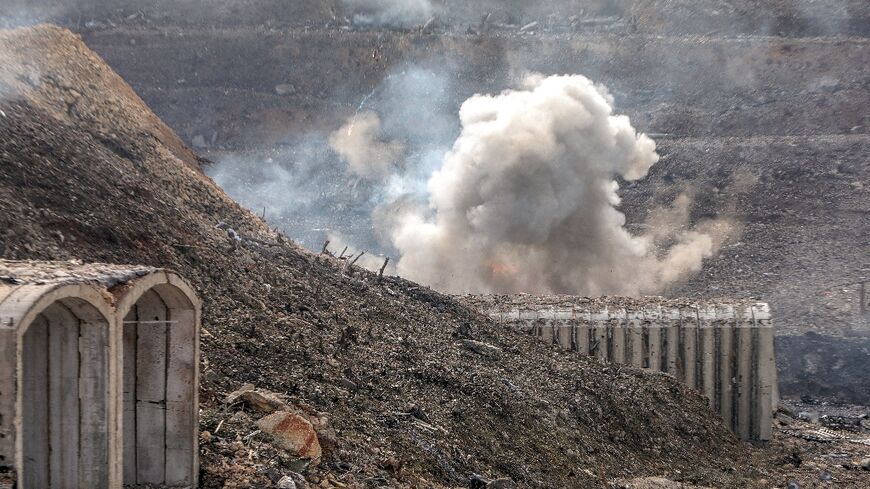
A Syrian bunker complex outside the port of Tartus was ablaze and rocked by explosions Monday just hours after what a war monitor and locals said was an intense wave of Israeli air strikes.

Even after the strikes ended, blasts continued to erupt in a valley outside the village of Bmalkah, a Christian community in the hills behind the city, which is home to Russia's naval base in Syria.

Israeli planes launched "the heaviest strikes in Syria's coastal region since the start of strikes in 2012" overnight, according to the UK-based Syrian Observatory for Human Rights.

Several hours after a Syrian bunker complex outside the port of Tartus was hit in a suspected Israeli strike damaged munitions continued to explode

Libyans hope Syrians fare better than they did

Libyans watched the fall of Syria's Bashar al-Assad with a mixture of apprehension and hope, wishing "their brothers" in the Levant a better outcome than their own.

Ten years after the downfall and death of Libyan leader Moamer Kadhafi, the North African country remains plagued by division and instability.

"It's now been 14 years since the people of Syria have been waiting for their turn to come," said 47-year-old history and geography teacher Al-Mahdiya Rajab.

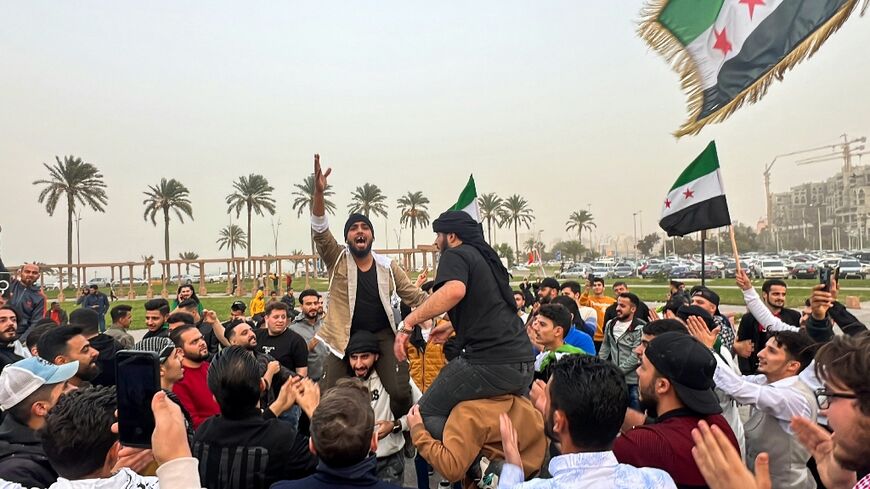
Members of the Syrian community in Libya celebrate the fall of Bashar al-Assad in Tripoli

Syria war monitor says heavy Israeli strikes hit coastal region

Israeli strikes targeted military sites in Syria's coastal Tartus region overnight, a war monitor said Monday, calling them "the heaviest strikes" there in years.

"Israeli warplanes launched strikes" targeting a series of sites including air defence units and "surface-to-surface missile depots", the Syrian Observatory for Human Rights said.

It said 18 raids "targeted strategic locations on the Syrian coast", added the Britain-based Observatory, which relies on a network of sources inside the country.

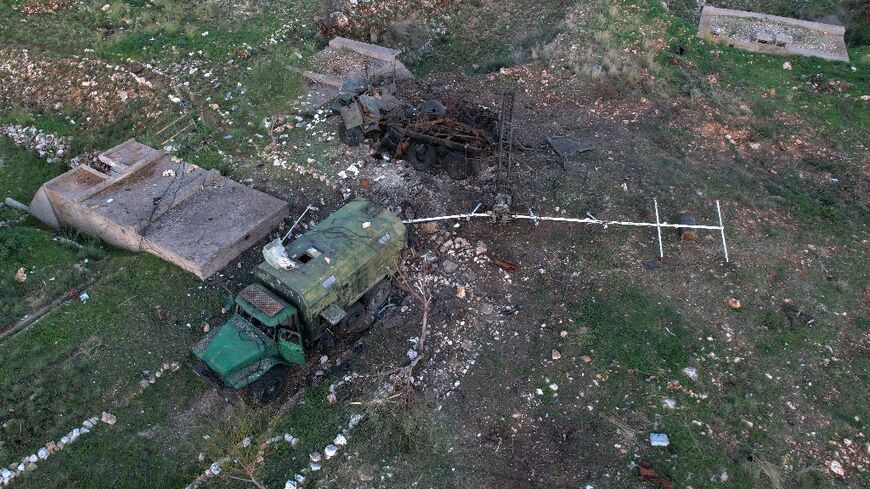
An aerial view of damage after an Israeli air strike on a site belonging to ousted Syrian president Bashar al-Assad's military near Syria's southern port city of Tartus

In Syria's Alawite area, joy at Assad fall but fear of Islamism

In the Assad clan's former heartland of Latakia, many in the toppled president's Alawite minority are relieved that his iron-clad rule has come to an end.

But they fear marginalisation -- and even worse, reprisals -- from the Islamist-led rebels who overthrew him.

The alliance spearheaded by Islamist group Hayat Tahrir al-Sham (HTS), which seized Damascus and ousted Bashar al-Assad on December 8 after a lightning offensive, has sought to reassure minority communities in the Sunni Muslim majority country.

Bashar al-Assad came from the minority Alawite sect, but many members of the community are relieved he has gone

Syria's Jolani says rebel factions will be 'disbanded'

Syria's rebel factions will be "disbanded," the head of the group that led the ouster of Bashar al-Assad has pledged, as the former president denounced the country's new rulers as "terrorists".

Assad fled Syria on December 8, as rebels led by Islamist group Hayat Tahrir al-Sham (HTS) captured the capital Damascus, ending decades of brutal dictatorship and years of civil war.

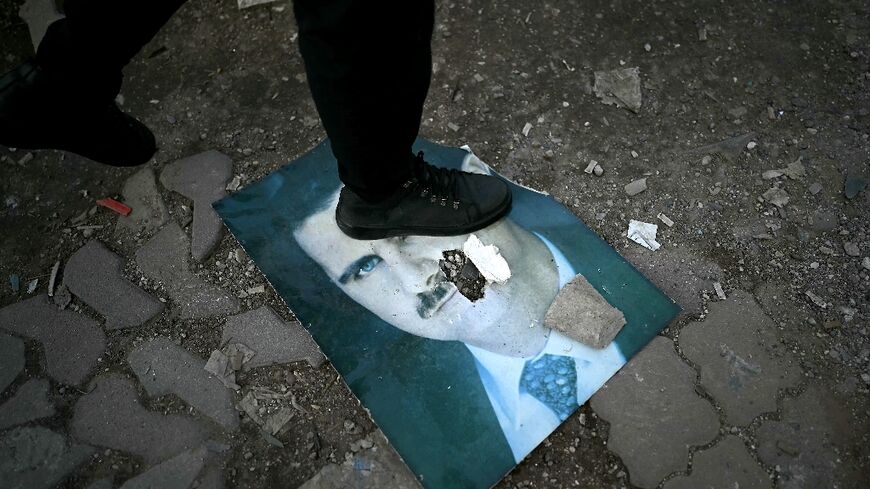
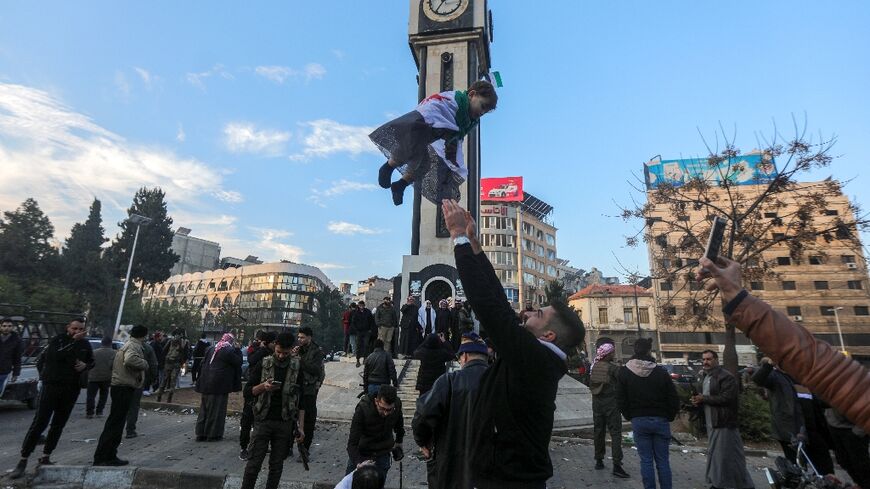
Assad's ouster sparked celebrations across Syria and beyond

Flash villas, cars and drugs: Assad's legacy in Latakia

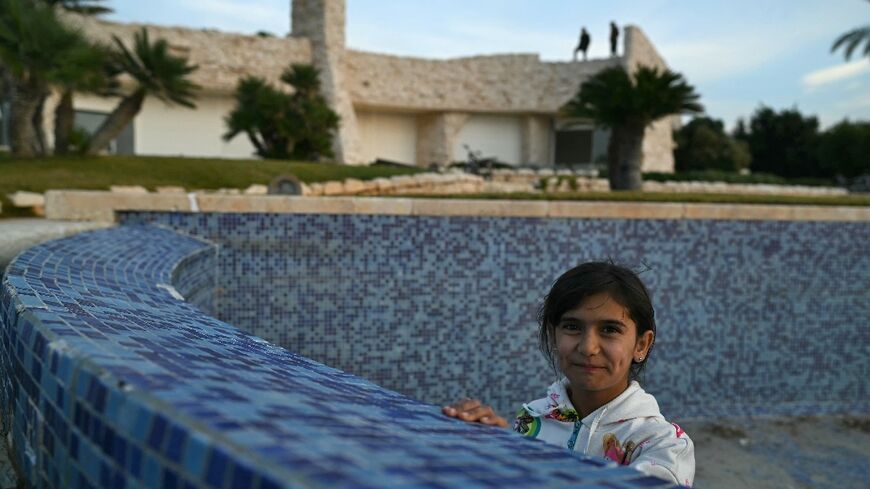
The drive winds between manicured lavender-lined lawns to a crescent-shaped home with a gleaming swimming pool on the Syrian coast: Bashar al-Assad's holiday hideaway disgusts those who now come here.

"To think that he spent all that money and we lived in misery," spat Mudar Ghanem, 26.

He is grey-skinned and his eyes are sunken after spending 36 days in a Damascus jail, accused like other suspected dissidents of "terrorism" against the ousted president's rule.

A week after Assad's ouster, curious people visited his holiday home to see how he lived

Syrian jails were an extortion machine funding ousted rulers

Ousted Syrian leader Bashar al-Assad's vast network of prisons was not simply a tool of his brutal crackdown on opposition to his rule, it was a money-making machine for his supporters.

Desperate Syrians, clinging to the dream of seeing missing sons, husbands and sisters again, say they were systematically shaken down for bribes that together amounted to hundreds of millions of dollars.

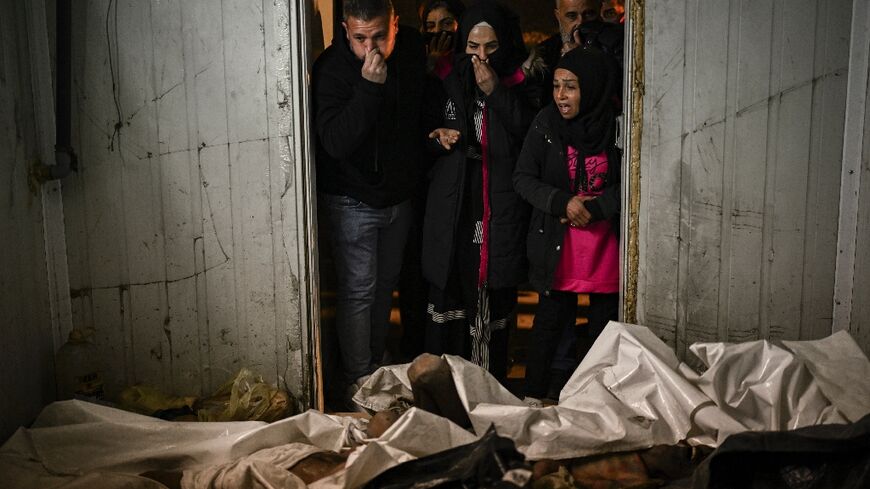
Relatives of detained Syrians have been paying vast bribes to Assad government officials for years for news of loved ones, but now many find only corpses or worse, no news at all