End of the Dubai dream for Europe's drug lords?

Sean McGovern, a top lieutenant of the Kinahan cartel, and Faissal Taghi -- son of the infamous head of the Dutch-Moroccan Mocro Maffia -- used to hang out and party in Dubai's glitzy hotels and restaurants without a care in the world.

Until their arrests -- and the smashing of a massive Russian-run money laundering operation based there this month -- the Gulf emirate was a haven for some of Europe's biggest drug traffickers.
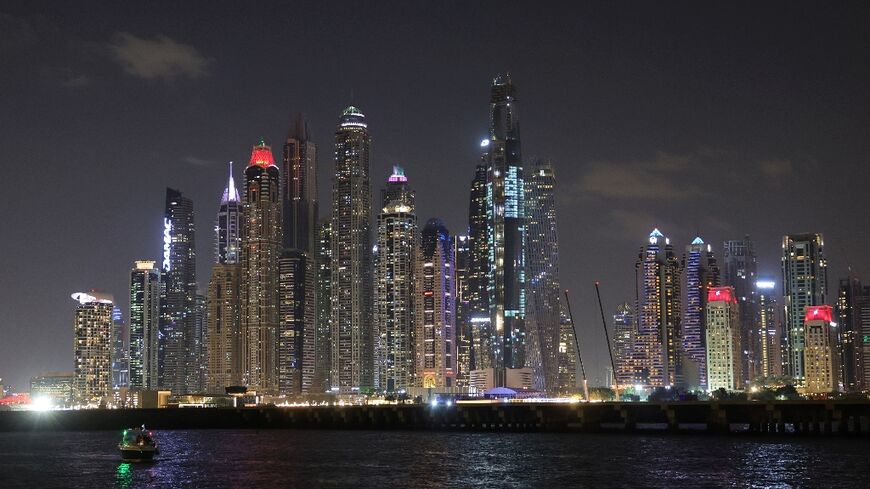
Dubai's marina, a favourite haunt of exiled drug barons who live there

Libya farmer breaks new ground with outlier date variety

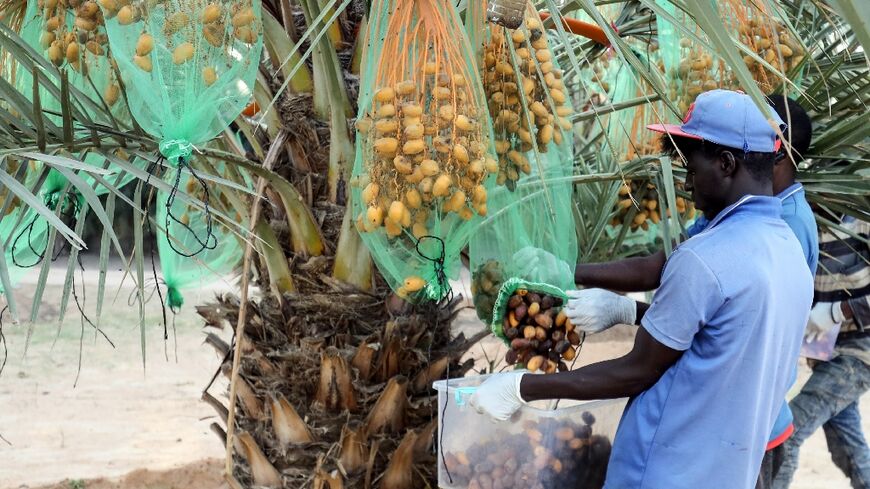
In the Libyan countryside, farmer Ismail Ben Saoud has launched an agricultural experiment, banking on Mejhoul dates -- a premium variety cherished across the Arab world but untested in such a humid coastal climate.

Ben Saoud's five-hectare (12-acre) farm in Misrata, western Libya, stands out in the landscape that is dotted by olive and citrus trees.

Eight years after taking the leap, he says his 700 palm trees now produce high-quality Mejhoul dates which he hopes will reach international markets soon.

Mejhoul dates, native to Morocco's semi-arid regions, are famed for their large size, tender texture and rich sweetness

Israel aims to 'double population' in annexed Golan: PM

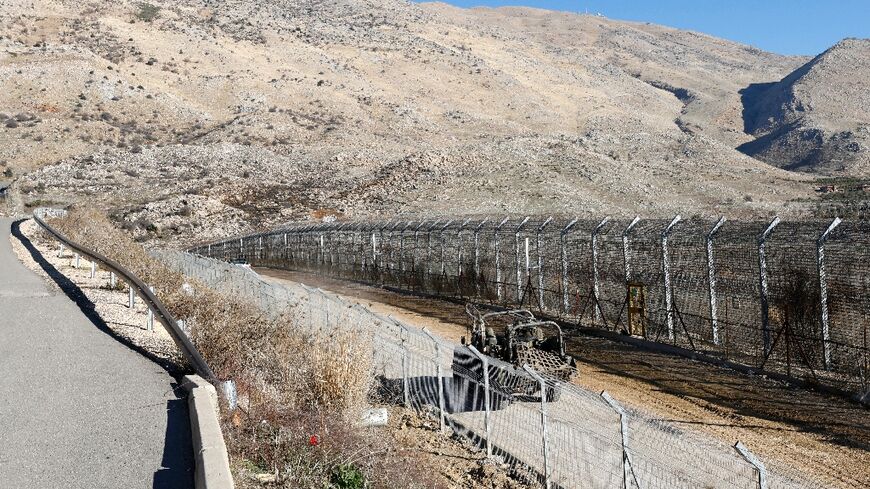
The Israeli government approved on Sunday a plan to increase the population of the annexed Golan Heights, while insisting it had no intention of confronting Syria after seizing a UN-monitored buffer zone.

As Islamist-led rebel forces swept Syrian president Bashar al-Assad out of power last week, Israeli Prime Minister Benjamin Netanyahu had ordered troops to seize the demilitarised zone between the two countries' forces on the Golan Heights.

On Sunday, his office said the government approved a plan to double the population on the Israeli-held Golan Heights.

Israel has occupied most of the Golan Heights, a strategic plateau, since 1967

Syrians return to ruined homes in city that became Hezbollah hub

Residents of Qusayr in central Syria are finally returning home after the departure of Hezbollah fighters, who helped Bashar al-Assad's forces seize the city a decade ago and left with his fall.

Many of the houses are now in ruins, after years under the control of the Lebanese armed group, a key Assad ally which had set up a military base and training camp there.

"Most areas in the city of Qusayr were off-limits to us," said 22-year-old resident Ali Khleif.

"Even the local residents who owned shops and establishments there were prohibited from entering."

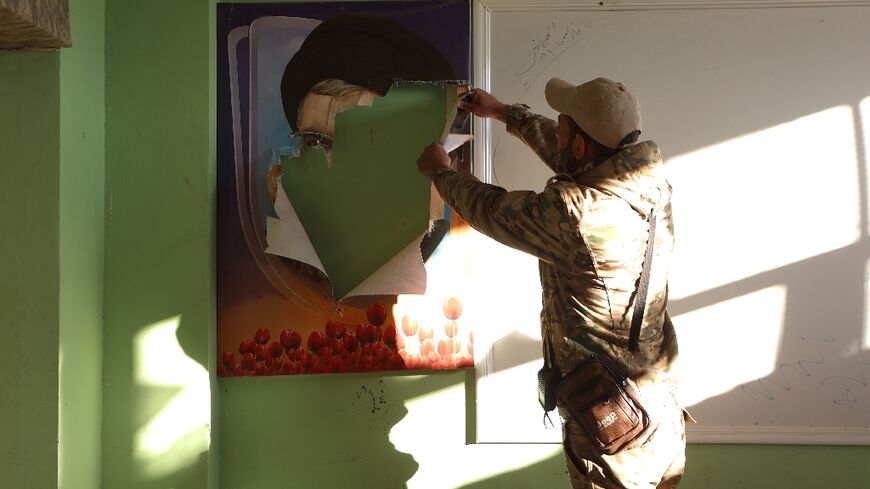
A fighter rips a portrait of slain Hezbollah leader Hassan Nasrallah, in a building in Qusayr

Once a leading force, Assad's Baath party wiped off Mideast politics: analysts

The Baath party, once a powerful symbol of Arab nationalism, has become a fading relic of authoritarian rule in the Middle East after the fall of Syria's Bashar al-Assad, analysts told AFP on Sunday.

The party has suspended its activities in Syria after Islamist-led rebel forces toppled Assad's government last week, 20 years after its rival twin branch in Iraq was banned, marking the final collapse of a movement that once held sweeping power in both countries.

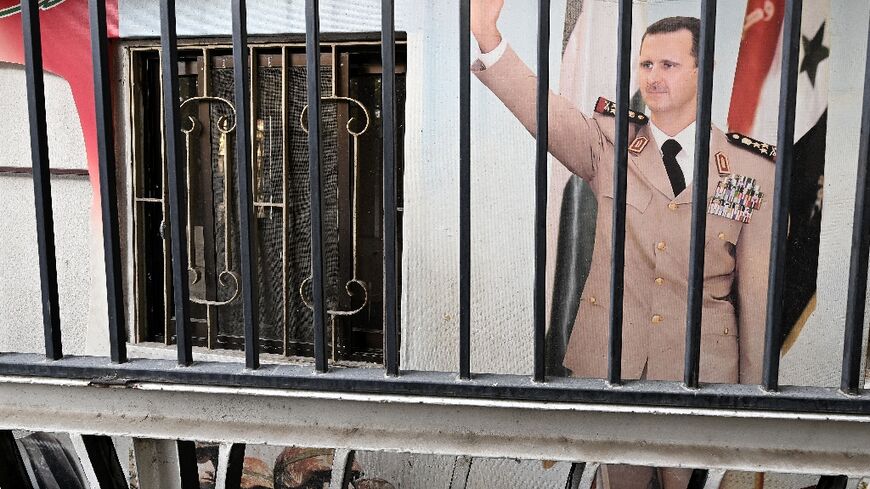
Syria's Baath party under the Assad dynasty was a feared instrument of repression

Back in Damascus, rebel leader confident of post-Assad unity

Syrian rebel leader Riad al-Asaad told AFP on Sunday he was confident that the myriad of factions which helped topple Bashar al-Assad after years of war will now unite as one force.

Asaad, a former colonel, defected from the Syrian air force in July 2011, early in the Assad government's crackdown of democracy protests that spiralled into civil war.

He went on to found the Free Syrian Army (FSA), one of the main opposition factions during the 13-year war, and lost a leg in March 2013 in a bomb attack on his car in eastern Syria.

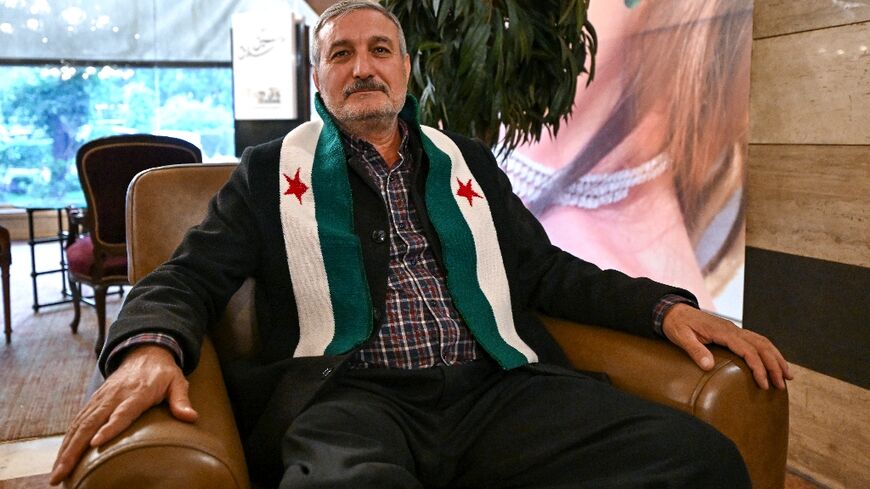
Riad al-Asaad defected from the Syrian air force early in the war to found the Free Syrian Army

Damascus students say 'finally feel free' after Assad's ouster

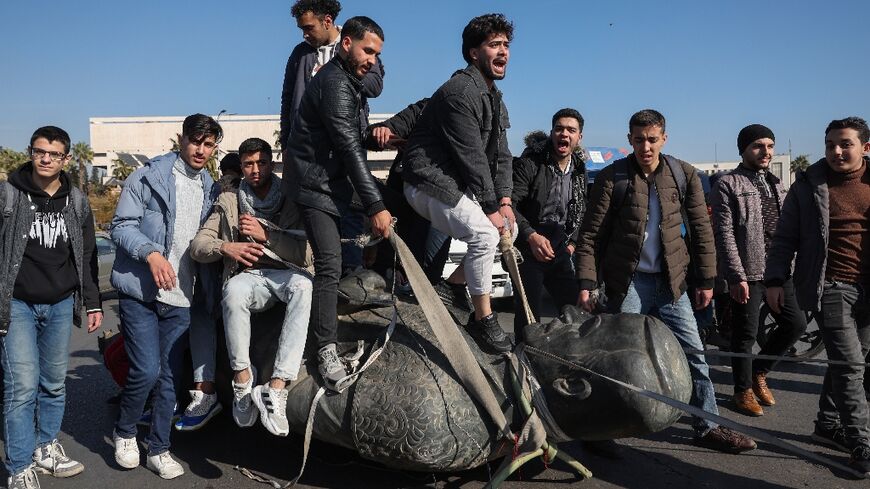
Hundreds of students at Damascus University trampled on a statue of one of Syria's former rulers on Sunday, expressing jubilation as they returned to class a week after rebels ousted Bashar al-Assad.

"The atmosphere is extraordinary. Everyone is happy -- look at how joyful people are," said medical student Rinad Abdallah, 18.

In front of her stood a large statue of Hafez al-Assad, who ruled Syria after seizing power in a bloodless military coup in 1970, vandalised and brought to the ground.

Students stand on the toppled statue of late president Hafez al-Assad during a rally near Damascus University

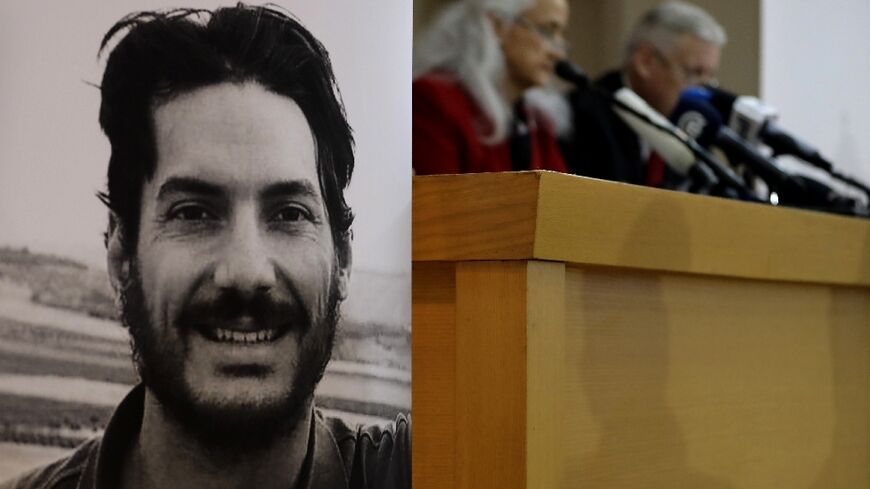
Hostage hunter fears ousted Syria rulers still hiding US reporter Tice

A former prisoner spearheading a private effort to help find captive US journalist Austin Tice is concerned that deposed Syrian leader Bashar al-Assad may be hiding him to use as leverage in securing his own future.

Nizar Zakka, who was detained in Iran on spying charges between 2015 and 2019, now runs Hostage Aid Worldwide, a non-profit group working with families to free kidnapped civilians.

This week he was in Syria in the immediate aftermath of the overthrow of Assad.

Austin Tice was detained at a checkpoint in Syria on August 14, 2012

Nations step up outreach to Syria's post-Assad rulers

Governments worldwide are stepping up efforts to engage with Syria's new interim rulers, just over a week after Islamist-led rebels ousted president Bashar al-Assad, ending decades of brutal rule and civil war.

The lightning offensive that captured the capital Damascus on December 8 led to celebrations across the country and beyond.

At Damascus university on Sunday, Yasmin Shehab told AFP that she and fellow students felt "optimistic".

"We feel liberated, and the chains have been broken," she said. "Fear has been shattered."

Students stand on the toppled statue of late president Hafez al-Assad during a rally near Damascus University

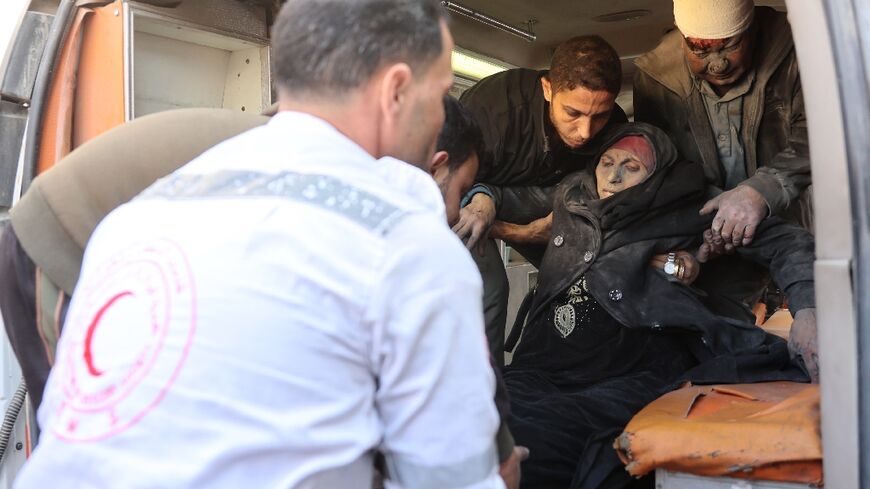
Gaza rescuers say Israeli strikes kill 40 Palestinians

Gaza's civil defence agency said Israeli strikes across the Palestinian territory on Sunday killed at least 40 people, including several children, an Al Jazeera TV cameraman and three rescuers.

Qatar-based news channel Al Jazeera said its cameraman Ahmed al-Louh was killed "in an Israeli bombardment" that targeted Nuseirat refugee camp in the central Gaza Strip.

Civil defence spokesman Mahmud Bassal confirmed Louh was killed in the strike that "targeted the Civil Defence site" in Nuseirat camp, also killing three members of the rescue agency.

Paramedics put a wounded Palestinian woman into an ambulance in Gaza City