



Libyan interim government formation stumbles on bribery allegations
Before even taking office, Libya’s interim government could soon be hit with a bribery scandal as the UN experts panel prepares to publish its findings.
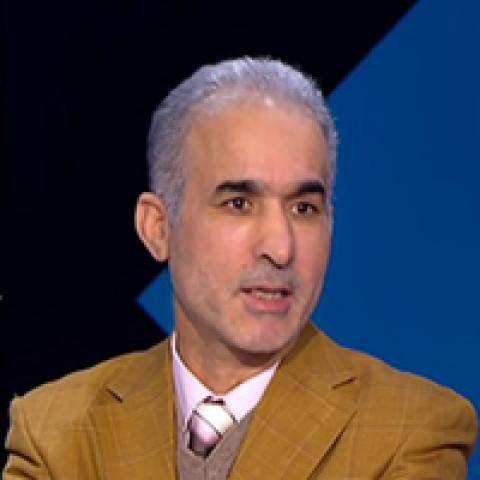

In a Feb. 25 press conference, Libya’s newly designated Prime Minister Abdul Hamid Dbeibah failed to name his Cabinet members as expected. Instead, he said he has submitted his criteria for selecting the individual ministers to the House of Representatives to get its approval. He might follow this strategy to avoid any controversy releasing the names before he presents his draft of the Government of National Unity to parliament for a vote of confidence.
Forming a unity government in a divided Libya is a challenge. Dbeibah said his team “received 3,000 nominations” for ministerial jobs — an average of 100 nominees for each portfolio in a Cabinet of 30 ministries.
Dbeibah, however, was not elected by popular vote. He was elected by a 75-member group known as the Libyan Political Dialogue Forum. The forum itself was handpicked by the United Nations Support Mission in Libya.
Even before taking office, Dbeibah is already facing a serious challenge as reports of vote buying involving the forum gain more traction.


