



Meet Iraq’s new Cabinet
Most of new Prime Minister Mustafa al-Kadhimi's Cabinet members are technocrats with long histories of working in their areas of expertise, with no or little affiliation with political parties.
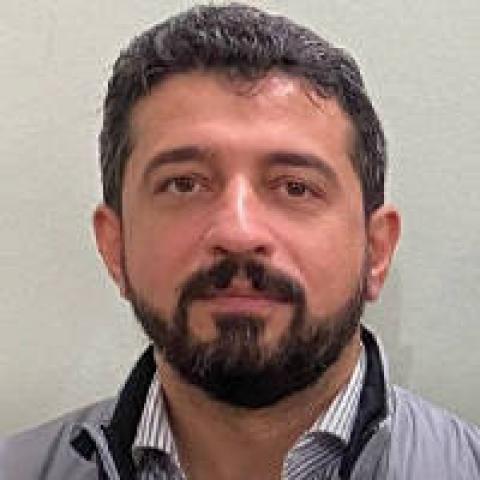

After months of deadlock and political crisis, and following the failure of two other prime minister-designates, the Iraqi parliament finally approved Mustafa Kadhimi for the premiership — also voting in favor of his government plan and 15 of 22 proposed ministers — on Wednesday. The remaining seven portfolios will be discussed and voted on later.
In an interview with CNN last month, Iraqi President Barham Salih said of Kadhimi, “We just appointed … the head of intelligence of the country. But this gentleman that has just been appointed is a former journalist, a human rights activist, and he's quite, quite well-known in the human rights circle.”
Kadhimi was a prominent member of the Iraqi opposition in the time of Saddam Hussein's Baath regime. He was a co-founder and executive director of the Iraq Memory Foundation, in charge of documenting the crimes under the regime. He was editor of Iraq Pulse at Al-Monitor from 2012 until 2016, when he was appointed as the head of the Iraqi intelligence service.
Kadhimi’s plan identified three main challenges for the country: its decline in security, its economic crisis and the COVID-19 pandemic. The plan includes comprehensive outlines for solutions to the three challenges in different areas of the government. He prioritized controlling the militias, protecting Iraqi sovereignty and economic development for the country.


