



Gaza attacks widen gap between Israel's Arab parties, Gantz in coalition talks
The Israeli assassination of an Islamic Jihad leader and the killing of 32 Palestinians, including women and children, has ended any possibility of engagement by the Arab Joint List with Blue and White party leader Benny Gantz.

The possibility that the Arab Joint list will play some role in helping Benny Gantz, head of the Blue and White party, create a minority government has all but ended with the latest strikes on the Gaza Strip and Gantz’s public support for the attacks.
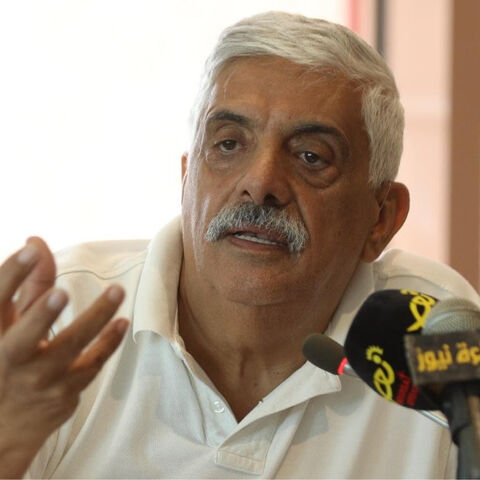
Johnny Mansour, a Haifa-based historian and political science lecturer at Beit Berl College in Israel, told Al-Monitor talks between the Joint List and Gantz are over. “It is clear that these talks are over — while the discussion was never about joining the coalition but supporting it from outside with the aim of pushing [Benjamin] Netanyahu out [of coalition talks]. However, Netanyahu superseded this possibility by his attack on Gaza and forced Gantz’s hand by having the former chief of staff support the attacks on Gaza.”
Mansour concluded the result is clear: “Gantz is much closer to Netanyahu than he is to the Joint List.”
The Joint List is made up of four parties: Hadash, headed by Ayman Odeh; the Arab Movement for Change, headed by Ahmad Tibi; Ra'am, headed by Mansour Abbas; and Balad, headed by Mtanes Shehadeh.


