



Improved Turkish-Chinese ties come at a cost to Uighurs
Turkish President Recep Tayyip Erdogan’s rhetoric on protecting Uighurs' human rights has become subdued as he attempts to lure Chinese investment and other funds to Turkey.
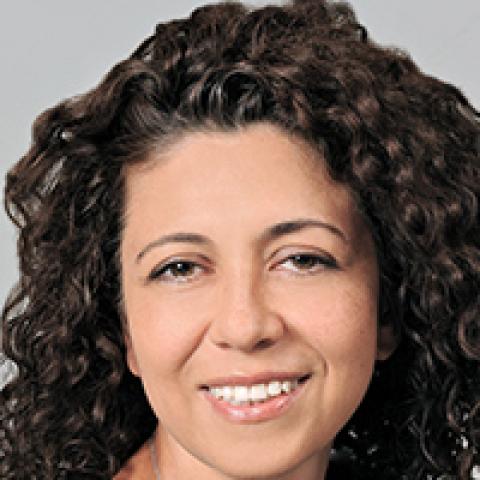

Fatima, a Uighur in her early 30s, believes that she can no longer conceive children because she was involuntarily sterilized while held for more than a year in a Chinese-government-run detention camp, where she unknowingly ingested pills that made her infertile. When she was taken to the camp, her two kids were placed in orphanages, she told Al-Monitor through tears. Fatima is lucky that she left the camp alive.
The Uighurs are a Turkic people who share a common linguistic, ethnic and religious identity with the ethnic Turks of today's Turkey. They originated in the region they continue to call East Turkestan, which the Communist Chinese renamed Xinjiang after taking control in 1949.
The Chinese government has subsequently attempted to sinicize the Uighurs, systematically assimilating them through such practices as assigning them Chinese names and banning their Muslim names and other coercive measures, including targeting their Muslim faith. “I am not even allowed to use my name in my hometown,” Fatima, who is from Kasghar, lamented via Skype.
“We [Uighurs] are all potential criminals in the eyes of the state, and we need to be reeducated,” Fatima asserted. “That is the purpose of the detention camps.” She further remarked, “There are several streets with emptied, padlocked houses still under the watchful eyes of street cameras. There are mosques in every neighborhood, but you cannot [broadcast] the [call to prayer] anymore.”


