



Division among Iraq's Shabak minority reveals Kurdish-Arab land rivalry
Minorities in Iraq's Ninevah plains are stuck between the federal government in Baghdad and the Kurdistan Regional Government based in Erbil, which are competing for their lands.
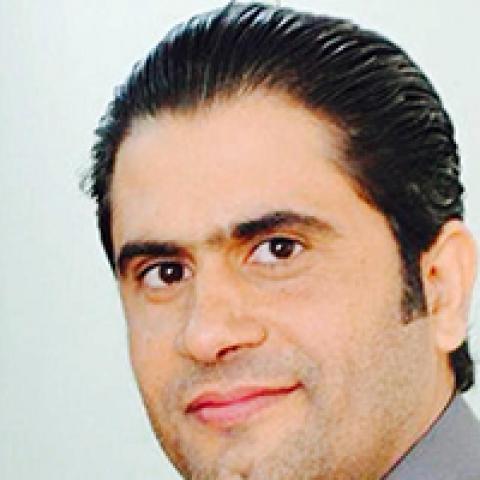

BAGHDAD — The Shabak community is one of the ethnic minorities in Iraq, speaking a language distinct from Arabic and Kurdish. Its members live on the Ninevah plains with other religious minorities including Christians, Yazidis and Kakais.
Iraqi Prime Minister Haider al-Abadi announced Aug. 10 the end of the first and second phases of the Mosul liberation operations. Since the third and last phase will take place this year, per his previous statements, minorities, especially Shabaks, are afraid of a Kurdish-Arab rivalry around their regions. This conflict will reveal divisions among Shabak leaders over their fate and identity.
Young activist Hussein al-Shabaki, who lives in a refugee camp in southern Iraq's Wasit province, is looking forward to returning to his village on the plains. Although he participates in various activities to defend the rights of the Shabak people, he often returns to the refugee camp, devastated.
"I can no longer wait" to return home, he said. "I feel I am locked up in prison, and I have no choice. Our return to the Ninevah plains after the liberation of our lands is not certain, and it remains a political decision."


