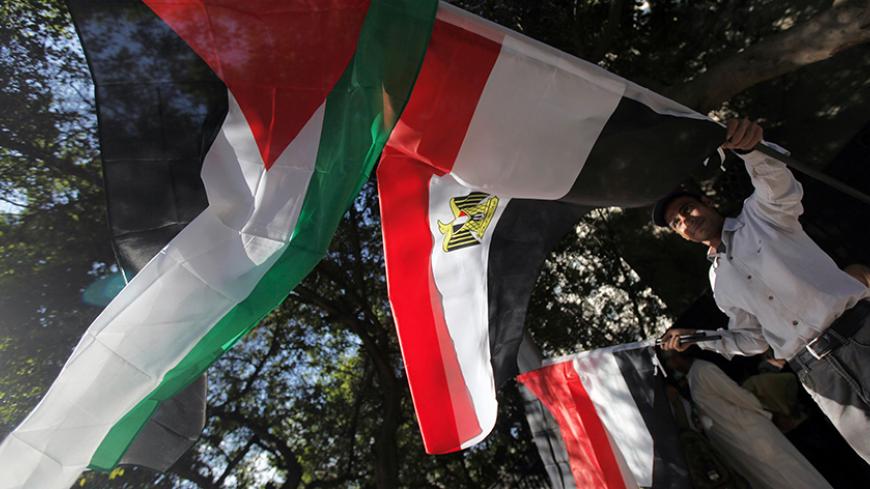
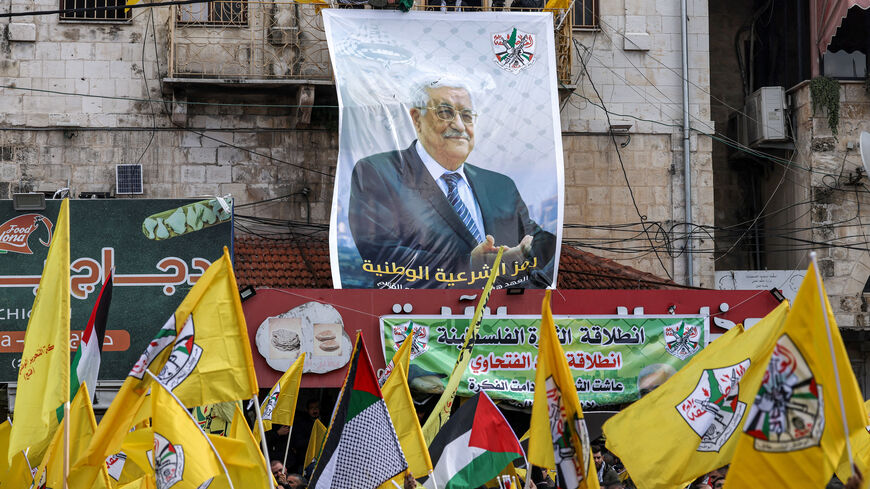
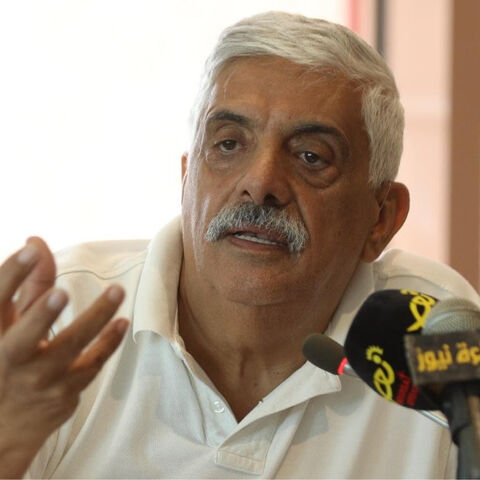
In 2009, approximate statistics showed that the number of Palestinians in the diaspora was nearly 6 million people; 5 million in Arab countries, and the remaining million in Europe, Canada and the Americas.
Large numbers of refugees live in the ring countries, that is, countries that directly border Palestine — about 3 million in Jordan; 500,000 in Lebanon; and 500,000 in Syria. Egypt is an exception since there are no Palestinian refugee camps there. The estimated number of Palestinian refugees living in Egypt is 50,000 to 70,000.
Despite Egypt’s leading role at the Arab level, and the fact that it hosted the General Union of Palestinian Students in the 1950s — the coalition that produced the leaders of national action and Palestinian parties — it did not permit the establishment of permanent Palestinian refugee camps on its territories. The three camps that were created in 1948 were removed a few years later. Many of those who had taken refuge in Egypt were returned to Gaza, which remained under Egyptian military rule until 1967. Those who resided in Egypt and enjoyed the privileges granted by the regime of former President Gamal Abdel Nasser could not return to Gaza after the Six-Day War, and became actual "refugees."
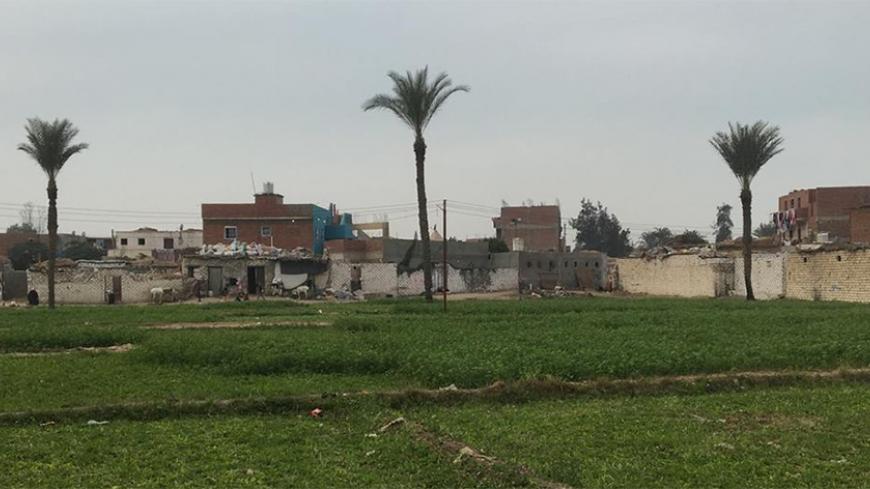
Today, [Palestinian] refugees in Egypt are distributed among the capital and the northern part of the republic. They are mainly concentrated in Cairo, Ismailia, Al-Arish, Port Said and Rafah. The prohibition of establishing permanent camps, the refusal to conduct a [refugee] census and the policies of Nasser according to which they were treated as Egyptian citizens prompted many first-generation refugees to try integrating into their communities and present themselves as Palestinian-Egyptian.
AL-MONITOR All-Access gives you unlimited access to all our journalism, the full Daily Briefing, exclusive interviews, premium newsletters, and live events — for less than $2/week.