



Will Iran's corruption fight attract private investors?
Iran has opened a series of high-level judicial cases against former administration officials, leading some to believe that the government is cleaning up its act to attract private investment in the economy.
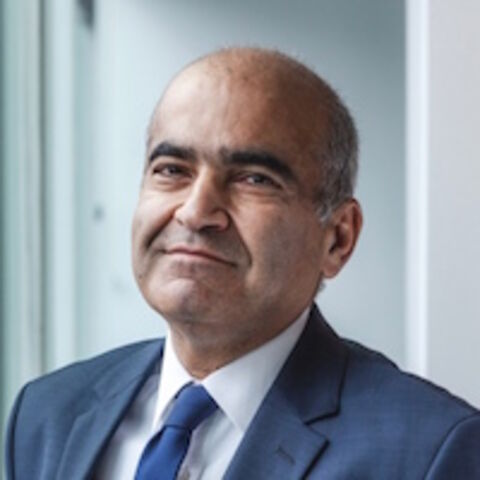

With the imprisonment of Iran's former First Vice President Mohammad Reza Rahimi Feb. 15 on charges of corruption and embezzlement, Iran's fight against corruption has taken on unprecedented dimensions. Incidentally, through this and other cases, the complex structures of financial and administrative corruption that persisted in the Mahmoud Ahmadinejad era are coming to light.
Rahimi, who served in President Ahmadinejad's government, was sentenced to 5 years and 91 days in prison and the payment of a fine of 10 billion rial (approximately $350,000). Rahimi was originally sentenced to 15 years in prison, but the Supreme Court reduced his sentence. This is the most high-profile corruption case in Iran since the case against former Tehran Mayor Gholamhossein Karbaschi in the 1990s.
It is likely that this trend will continue with other high-level figures of the Ahmadinejad era to be charged and prosecuted. However, as the Rahimi case indicates, such high-level corruption cases will also create unwanted waves in the political structure. In fact, Rahimi’s conviction unleashed an avalanche of political accusations and counteraccusations that could potentially lead to the dismissal of a number of existing parliamentarians who accepted bribes from Rahimi and his network. Two other members of that network have also faced charges: Babak Zanjani, a businessman who is serving a prison term for corruption and misappropriation of state funds, and Saeed Mortazavi, a former judge and former head of the Social Security Organization in the Ahmadinejad government who has been suspended from all governmental positions and is still being tried for corruption.
The fact is, opaque dealings and give-and-takes between political and business networks intensified in the Ahmadinejad era, even though they existed in previous administrations. In fact, in May 2014, Gholamali Jafarzadeh stated that the extent of “corruption is so big that we are scared it could cause social shock.” Consequently, there is no doubt that a serious push toward fighting corruption would unleash political tensions that could paralyze the political decision-making processes in the country.


