Iraq's oil crackdown: Push for sovereignty or new power struggle?
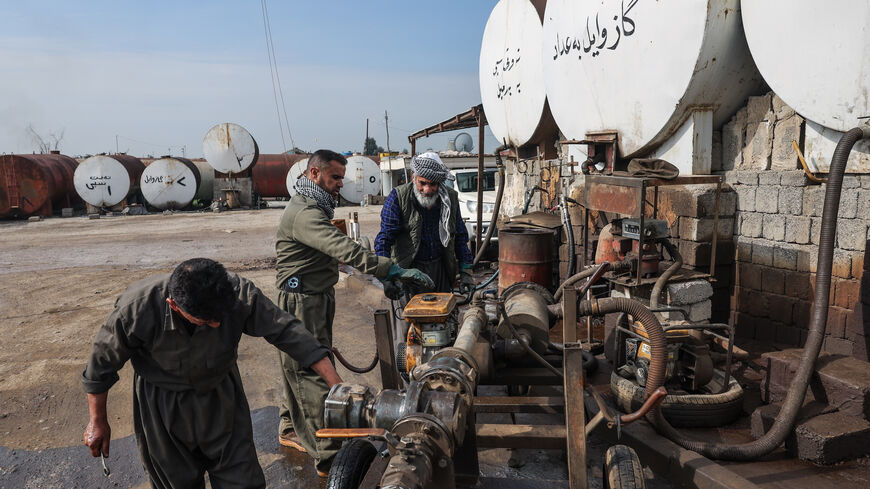
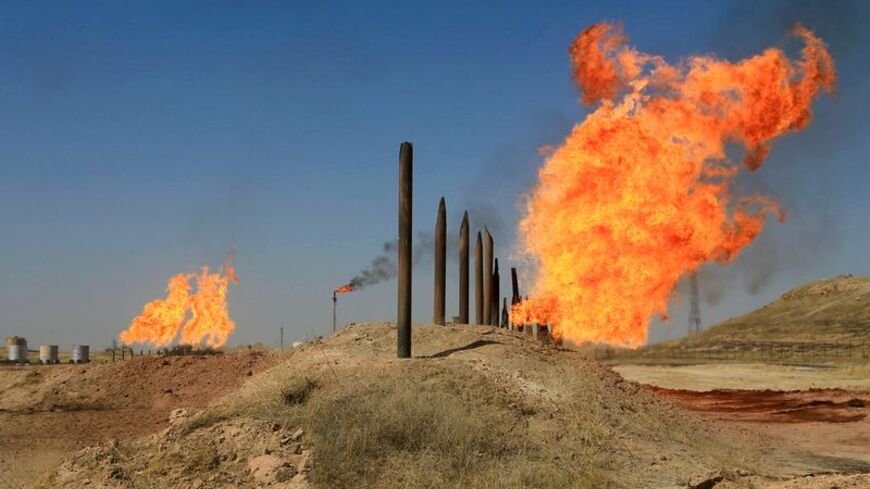
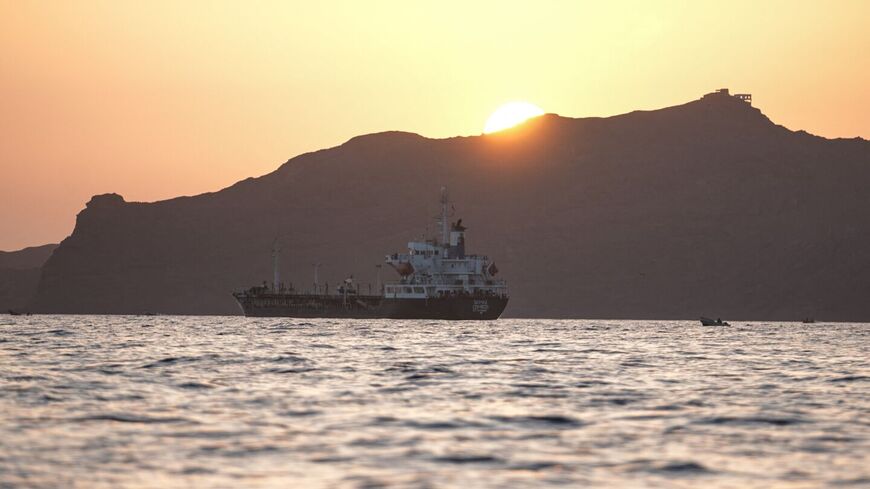
Iraq’s crackdown on oil smuggling is testing Baghdad’s ability to reassert state sovereignty over Iran-backed militias and the Kurdistan Region while raising questions about the government’s political motives and its efforts to recover lost revenues.


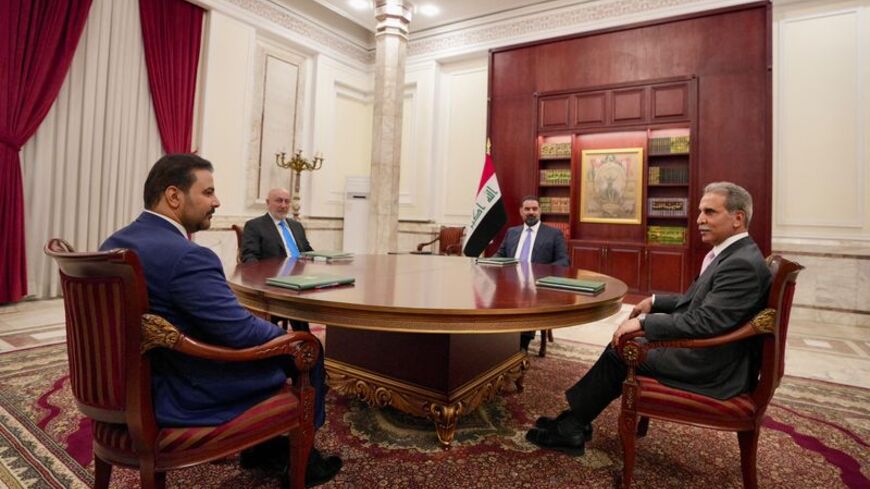
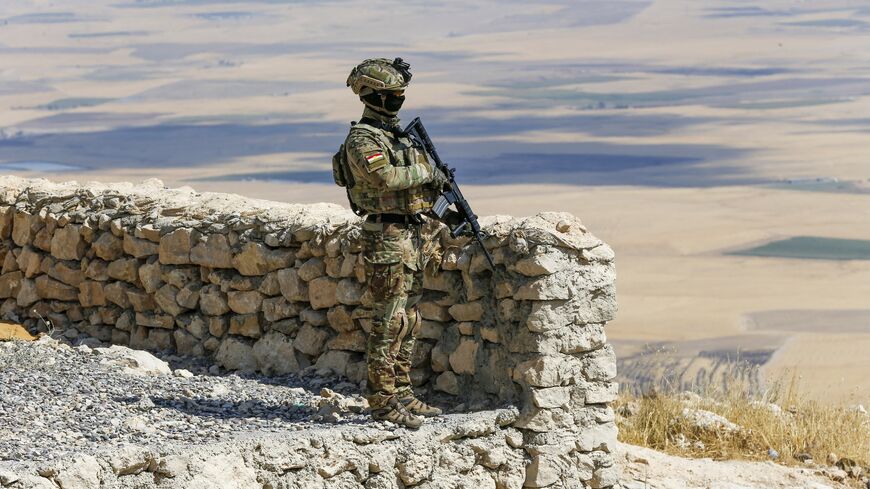
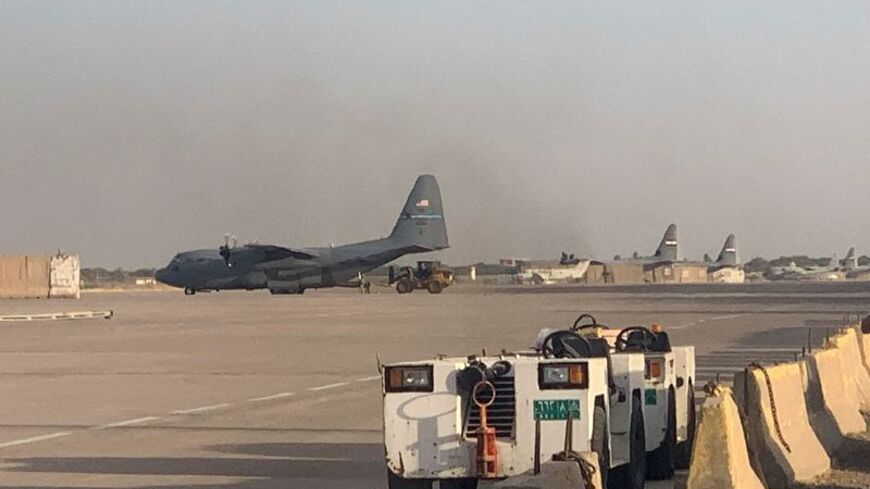
AMMAN – Iraq closed several border crossings with Syria and Iran on Thursday, including some administered by Kurdish regional authorities, as Prime Minister Ali al-Zaidi widened his crackdown on oil smuggling. The closures opened a dispute with leaders in Iraq’s Kurdistan Region over who controls its oil fields and border crossings.
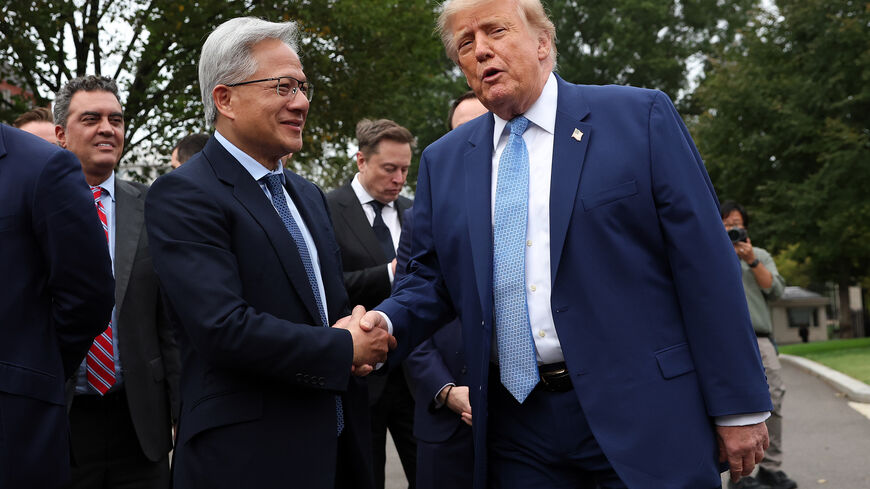
On Friday, US President Donald Trump voiced support for Zaidi’s efforts. “We support Iraqi Prime Minister Ali al-Zaidi’s efforts to assert state authority throughout Iraq, stop the smuggling of Iraqi oil, end corruption and bring all weapons under the exclusive control of the state,” Trump wrote on Truth Social.
Iraqi economist Ahmed Saddam estimates that the country loses about 60,000 barrels of oil a day to smuggling, costing it nearly $2 billion a year, according to remarks he gave to local media outlet Shafaq News.
Borders and barrels