What's behind Iran’s intensifying attacks on shipping in Hormuz?
With renewed tanker attacks, Tehran is betting to make Hormuz passage costly enough for Washington and strengthen the tool with election-related pressure President Trump is currently facing.


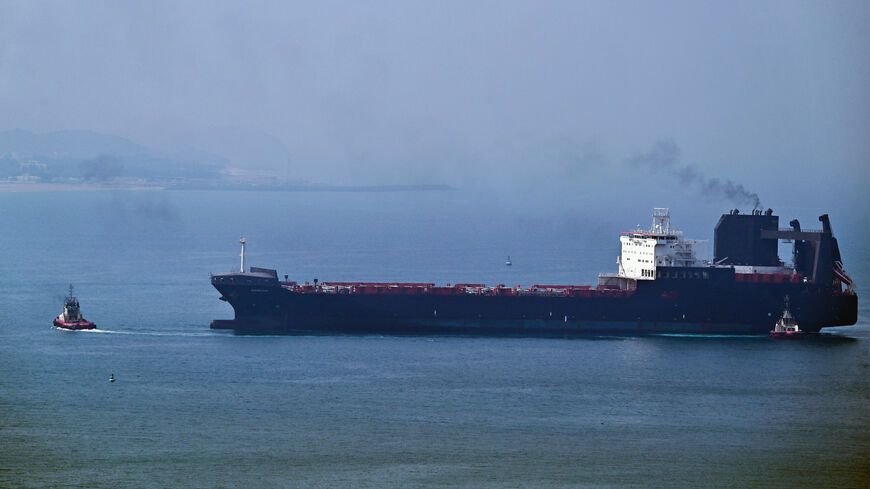
TEHRAN — Iran's navy claimed responsibility on Tuesday for the latest in a series of strikes targeting supertankers in the Strait of Hormuz. According to Fars News Agency, the vessel caught fire after ignoring warnings and attempting to leave through an unauthorized route.
Iranian forces offered a similar explanation for an attack on Monday. They also said a vessel struck a naval mine south of the strait on Sunday, triggering an explosion and fire in its engine room.
The attacks came amid a broader surge in maritime incidents, which have further disrupted oil exports through the waterway.
The confrontation is escalating on both sides. Over the weekend, US forces disabled a commercial vessel, the Ocean Molica, which Washington said was attempting to breach its naval blockade of Iranian ports.