As Israeli settler attacks mount, Trump avoids public pressure on Netanyahu
President Donald Trump has stayed silent amid a spate of settler attacks on Palestinians and their property in the West Bank.


You're reading an excerpt from Al-Monitor Washington, where we break down the latest in US-Middle East diplomacy. To read the full newsletter, sign up here.
WASHINGTON — The Trump administration has not publicly called on Israel to curb a surge of settler violence targeting Palestinians in the West Bank, even as the attacks have drawn in US citizens and risk undermining the president’s regional agenda.
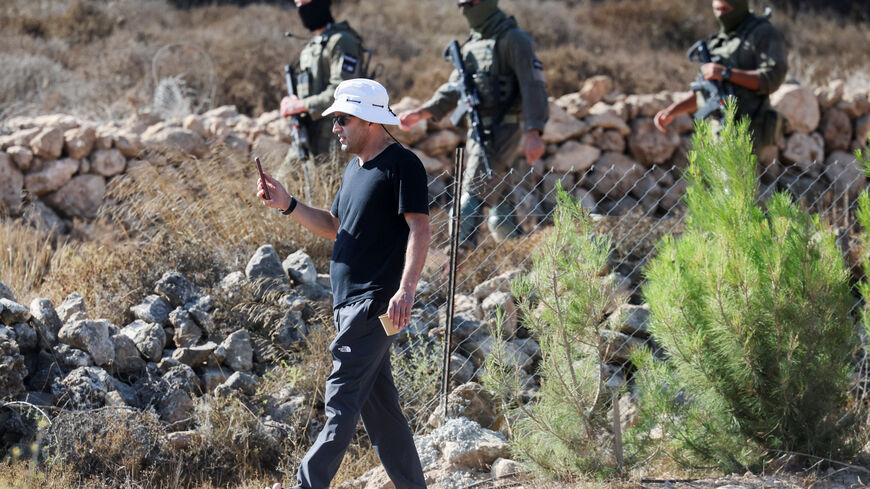
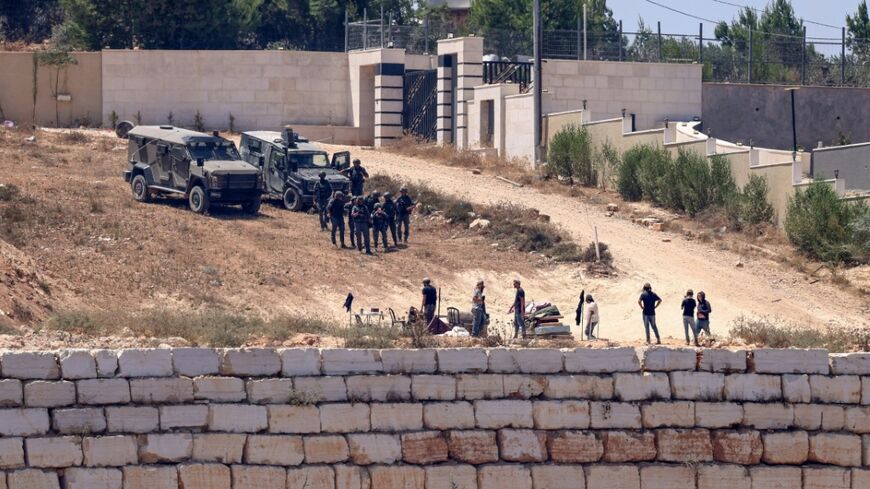
The Israeli-occupied West Bank in recent months has seen a spate of attacks on Palestinians, whose homes, mosques and farmland have been torched by Israeli settlers in what human rights groups say is an effort to drive Palestinians from their land. On Saturday, masked settlers in the town of Jalud used rocks and sticks to attack an NBC News crew and the Palestinian woman they were interviewing. On Wednesday, two Palestinian teens were fatally shot during a raid by settlers and Israeli forces in the village of al-Mughayyir, according to Palestinian media.
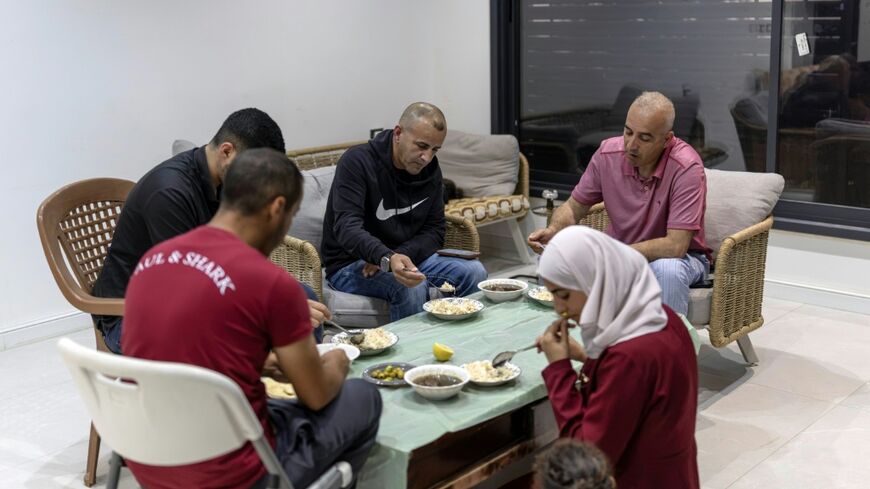
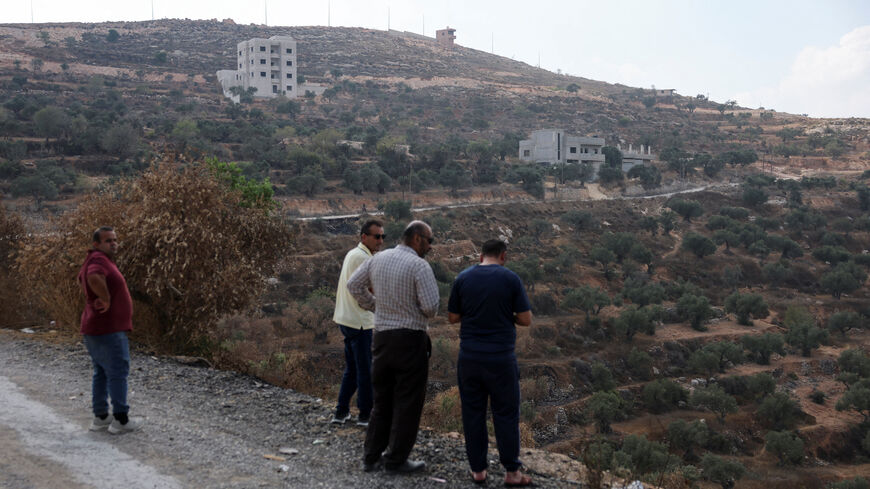
Nowhere has the violence been more pronounced than in the village of Qusra, where settlers besieged several Palestinian homes last month, cutting off electricity, water and road access for scores of residents. Settlers continue to surround the home of Palestinian-American Loui Ridi, who raised a US flag over his home in an unsuccessful attempt to deter the settlers.
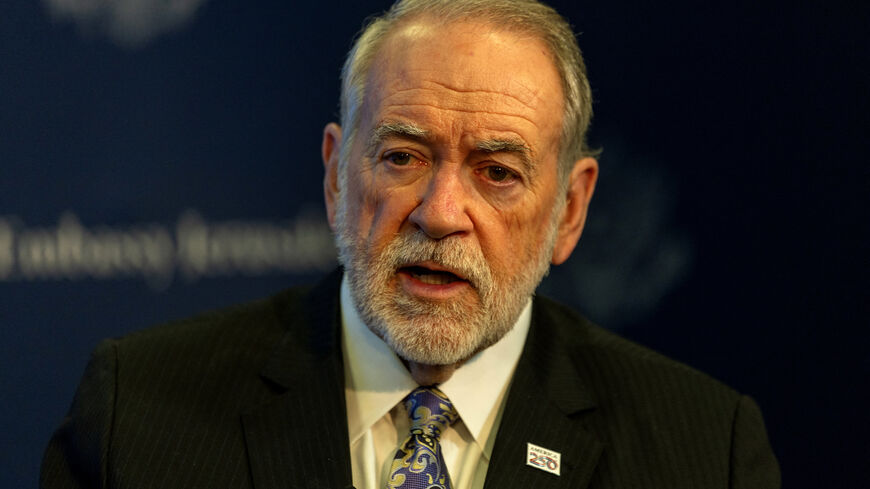
Trump’s ambassador to Israel, Mike Huckabee, condemned the “Israeli terrorists,” whose menacing of Palestinian residents he called “disgusting.” His Aug. 12 post on X marked a rare rebuke from the ambassador, a Baptist minister who is an ardent supporter of Israeli settlements and once said there is “no such thing as a Palestinian.”
Settler sanctions
Huckabee later told Reuters the settlers involved in the Qusra siege could face US sanctions but added he was not aware of any plans to impose them.
That would mark a reversal for Trump, who in one of his first acts after returning to the White House rescinded the travel and financial sanctions imposed by the Biden administration on settlers accused of violence against Palestinians and their property. A group of Senate Democrats called for the restoration of sanctions in an Aug. 6 letter to senior Trump officials, writing that their January 2025 removal contributed to “a climate of impunity and unbridled violence” in the West Bank.
Daniel Shapiro, who was the US ambassador to Israel from 2011 to 2017 and is now at the Atlantic Council, said the real leverage lies in Israeli Prime Minister Benjamin Netanyahu’s concern that he may lose Trump’s support in the lead-up to the Oct. 27 elections.
“A serious effort to get the Israeli government to rein in these attacks, which they're fully capable of doing … would be for Trump to call Netanyahu out publicly on it and make it a political cost for him that this continues to go on,” Shapiro said.
Israeli police on Thursday announced their first arrest linked to the attacks in Qusra, detaining a 19-year-old Israeli resident of a settlement in the northern West Bank. Shapiro said the police, the military and the Shin Bet security agency are well equipped to launch a broader law-enforcement operation to identify and arrest the perpetrators, who are generally known within their communities and are often seen on camera during the assaults.
But Netanyahu — who recently condemned the “criminal acts of violence” he blamed on a “handful of rioters” in Qusra and Jalud — is constrained by his far-right coalition members: Itamar Ben-Gvir, who controls the police through his position as national security minister, and Finance Minister Bezalel Smotrich, who is spearheading the government’s push to expand West Bank settlements.
Netanyahu’s Likud party is trailing in the polls ahead of next month's election. Forming a governing majority would likely again require the support of Ben-Gvir's and Smotrich’s parties whose core constituencies come from Israel’s religious-nationalist settler movement.
Creeping annexation
Since the beginning of the year, 23 Palestinians have been killed and more than 1,040 have been injured in settler attacks, according to the United Nations Office for the Coordination of Humanitarian Affairs. The number of injuries tied to settler attacks has risen dramatically, from an average of one every three days in 2020 to three per day in 2026, the UN says.
Citing security establishment figures, Israel’s public broadcaster, Kan, reported last month that there were 660 settler attacks recorded in the first six months of 2026, up from 405 during the same period last year.
It comes as Netanyahu’s right-wing government granted final approval last month for some 1,200 housing units in a settlement project near Jerusalem known as E1. The internationally condemned plan would effectively divide the West Bank in half, further undermining prospects for a contiguous, independent Palestinian state.
The Trump administration says it opposes Israeli annexation of the West Bank, and its Gaza Strip peace plan calls for "a credible pathway to Palestinian self-determination and statehood."
Yet the administration has stayed largely quiet as Netanyahu’s government pursued steps short of formal annexation that would deepen Israeli control over territory the Palestinians want for a future state. Since taking office in December 2022, the government has increased settlement funding, built more bypass roads to avoid Palestinian towns and legalized small settler encampments in the West Bank known as outposts.
“There seems to be no reaction at all and certainly no formal pushback or consequences to Israeli moves that amount to de facto annexation,” said Lucy Kurtzer-Ellenbogen, a senior fellow at the Middle East Institute.
“Is this a way of saying they'll tolerate something that doesn't rise to the level of formal annexation, or is it not keeping an eye on the ball of what's actually happening on the ground?” Kurtzer-Ellenbogen added.
Increasingly, current and former Israeli officials are raising the alarm. In June, a group of more than 200 prominent Israelis — including two former prime ministers and several former heads of Israel’s foreign and domestic intelligence services — signed a letter calling for the government to take immediate steps to “eradicate Jewish terrorism” in the West Bank.
More recently, the top Israeli military commander in the West Bank reportedly warned Netanyahu and other officials in a closed-door meeting last month that the extremist violence is “the match that could ignite everything in an instant.”
Analysts say an escalation in the West Bank would threaten Trump’s regional aspirations at a time when he faces growing criticism over his six-month war with Iran.
“Everything Trump wants to achieve in the Middle East — get the Gaza plan on the road to implementation, work toward expanding the Abraham Accords and get a discussion about [Israel-]Saudi normalization underway — all of that is put at risk if the West Bank ignites,” said Shapiro.