



Russia’s Putin hosts Saddam Hifter amid instability in Libya: What to know
Moscow has built a strong relationship with Libya’s eastern camp, as Washington and Ankara pursue efforts to reunify the country’s political and military institutions.
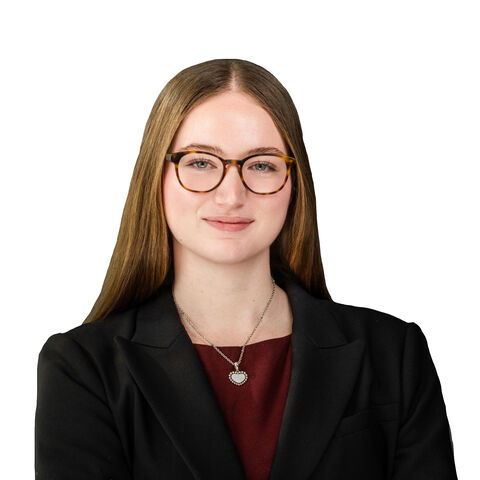


Saddam Hifter, the deputy commander of Libya’s eastern army, met with Russian President Vladimir Putin on Wednesday as violence and protests sparked instability in the country.
What happened: The meeting took place at the Kremlin on Wednesday. In a post on its official Facebook account, the Libyan National Army (LNA) said that Hifter highlighted the “deep” ties between the two sides and affirmed the LNA’s “commitment to strengthening cooperation with the Russian Federation across various fields.”
Per the statement, Putin expressed appreciation for “the role of the armed forces in maintaining security and stability in Libya.” He also affirmed “his support for efforts aimed at unifying Libyan institutions, bolstering stability and preserving the country’s territorial integrity.”
A day earlier, Hifter met with Russian Defense Minister Andrei Belousov, during which the two discussed “ways to develop cooperation between Libya and Russia,” according to a post from Hifter's X account.
Background: Saddam is the son of and second in command to Libyan strongman Khalifa Hifter, whose self-styled LNA controls the country’s east. Khalifa Hifter met Putin in Moscow in May 2025.
Moscow has maintained personnel and military infrastructure at several bases in territory controlled by Hifter’s forces. A June report by the US National Geospatial-Intelligence Agency’s Tearline Project found increased activity at six Libyan air bases with a presence from Africa Corps, a Russian state-controlled paramilitary group.
Russia’s military presence in the country dates back to its support for Hifter during the country’s civil war, when Russia’s Wagner paramilitary group fought alongside Hifter's forces. But the North African country has taken on greater strategic importance for Moscow as it seeks to preserve its military reach in the Mediterranean following the fall of Russian-backed Syrian leader Bashar al-Assad in late 2024, which resulted in a recalibration of Russia’s presence in the country. Libya also provides Russia with a logistical hub as it expands its operations and influence across Africa.
Why it matters: Libya’s fragile truce has been threatened recently by energy-related protests and renewed violence. Demonstrations broke out in the capital Tripoli on Wednesday, fueled by anger over the third widespread blackout in two days, Bloomberg reported.
A drone struck a power substation in Zawiya, west of Tripoli last week, one of several attacks there recently. The government did not identify a perpetrator, but it came amid rising tensions with local warlord Mohamed Bahroun.
Meanwhile, the Sharara oil field in the south, Libya’s largest, was temporarily shut down by protesters earlier this month. The demonstrations in the country are in response to power shortages and a lack of basic services, despite Libya’s oil wealth.
Just last week, the LNA's intelligence chief was killed in a car bombing in Benghazi.
The Libyan civil war ended in 2020 with a truce between the Tripoli-based government and the LNA in the east, though the country remains divided between the rival administrations. The internationally recognized government’s territory is divided as well, with various militias wielding influence, and clashes broke out in Tripoli in August 2025.
The United States and Turkey have been pushing the rival Libyan administrations to unify recently, and Turkish Foreign Minister Hakan Fidan visited Tripoli and Benghazi last week to that end. Turkey backed the Tripoli government during the civil war.
Know more: In June, US Secretary of State Marco Rubio hosted Saddam Hifter, and the two spoke about “possible avenues for cooperation to advance unity and peace in Libya.” The Trump administration has been pushing for a power-sharing plan between the rival governments, which would reportedly include roles for Libyan Prime Minister Abdul Hamid Dbeibah and his nephew Ibrahim Dbeibah and the Hifter family.
This one's on us.
The story doesn't end here.
Our correspondents are already on the next chapter. Read everything they file, from $2/week.
See Offers