Qatar launches diamond exchange as Hormuz crisis chokes LNG exports
Qatar's new diamond exchange is an effort to diversify from the country's main exports, LNG and petroleum products, which have been severely cut as a result of the Iran war and the Strait of Hormuz crisis.


Qatar launched a diamond exchange on Monday as it seeks to diversify its economy in response to the Iran war and the near-total closure of the Strait of Hormuz, which has throttled its most lucrative exports of liquefied natural gas and other petroleum products.
What happened: The Qatar Diamond Exchange, launched by the Qatar Free Zones Authority, will operate from the Ras Bufontas Free Zone and offer trading, vaulting, certification, memberships and other industry services, the Qatar News Agency reported.
The exchange intends to establish a new gateway for global diamond trade in the country, connecting Doha with international markets and supporting Qatar’s economic diversification under its National Vision 2030 initiative.
According to QNA, Sheikh Mohammed Bin Hamad Bin Faisal Al-Thani, QFZ’s CEO and QDE’s chairman, said, “The Qatar Diamond Exchange represents an important step in Qatar’s efforts to further diversify its economy and strengthen its position as a trusted participant in global diamond trade.”
He added that the government had the regulatory and institutional foundations needed to support the growth of a new strategic sector for Qatar.
“Through QDE, we are bringing together the full diamond and precious stones value chain within a single regulated ecosystem spanning trading, storage, vaulting, auctions and tenders, and industry support services,” Sheikh Mohammed added.
According to QNA, the platform features a secure trading floor, private negotiation rooms and a vault with biometric access control as well as 24/7 on-site security and surveillance. Membership is open to diamond traders, manufacturers, cutters and polishers.
The Ras Bufontas Free Zone offers qualifying businesses 100% foreign ownership and no corporate tax.
The QDE also plans to host a calendar of rough and polished diamond tenders aimed at linking producers in Africa and Asia with buyers across Europe and the Gulf, QNA reported.
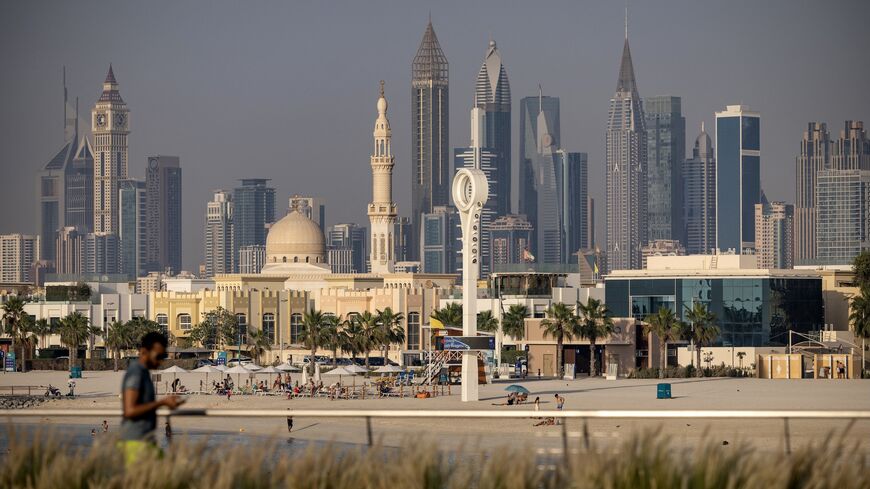
Why it matters: To make up for lost revenue and diversify its economy, Qatar is looking to make a splash in the global diamond market, which is estimated to be worth more than $100 billion. The country's diamond industry is still in its infancy, especially when compared to its neighbor, the United Arab Emirates. Dubai specifically is a global trading hub for rough and polished diamonds, home to the Dubai Multi Commodities Centre and the Dubai Diamond Exchange. In 2025, Dubai handled $41.7 billion of diamond trade, a record high.
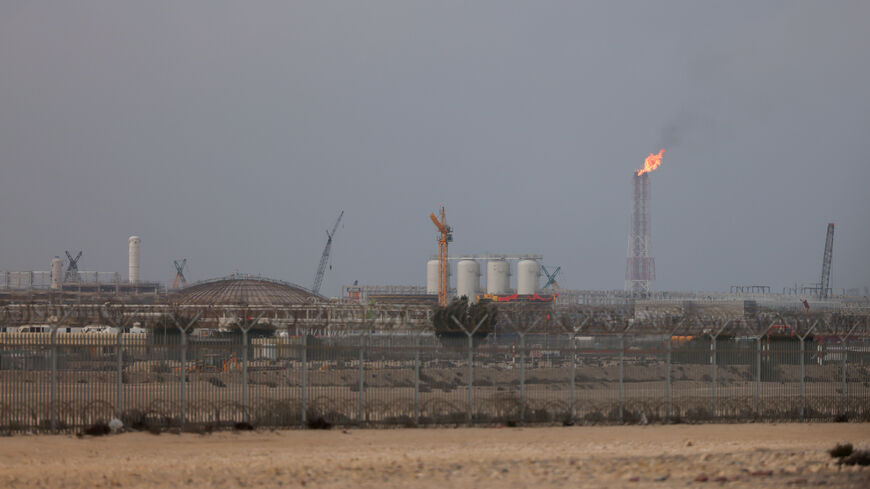
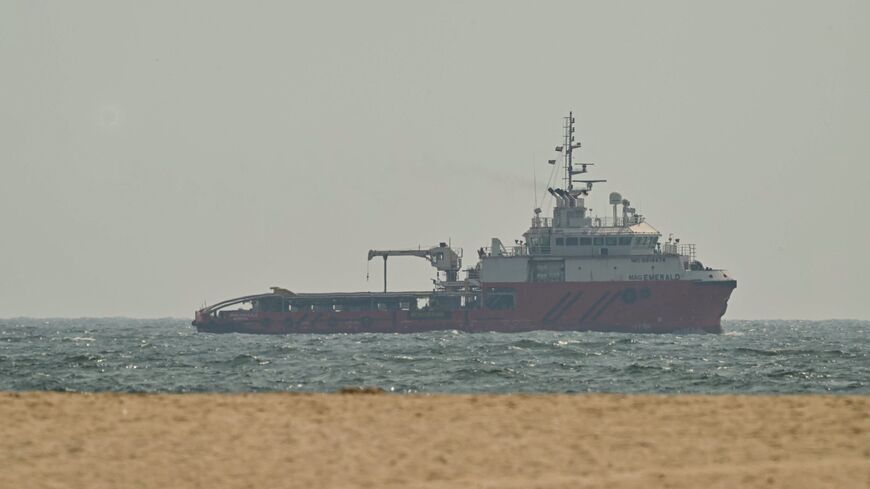
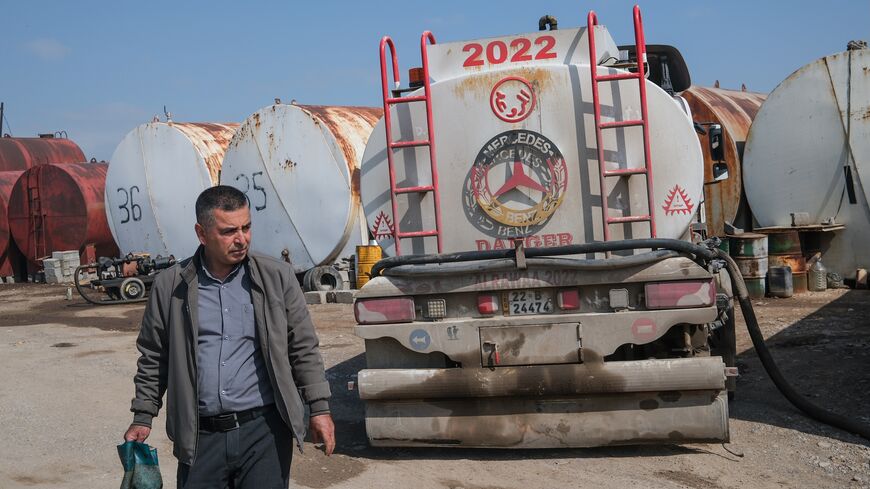
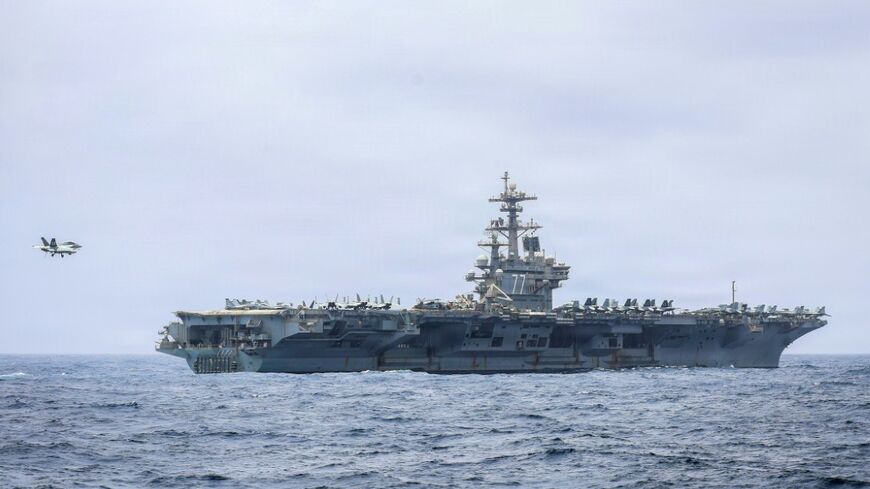
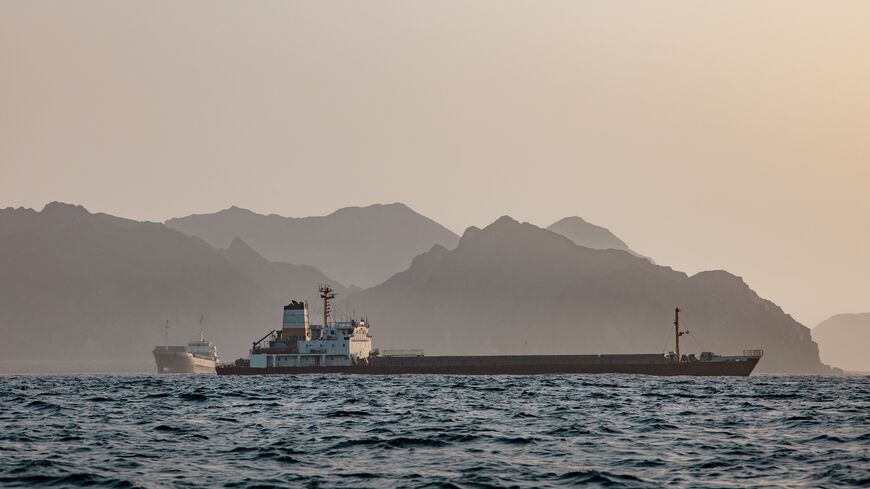
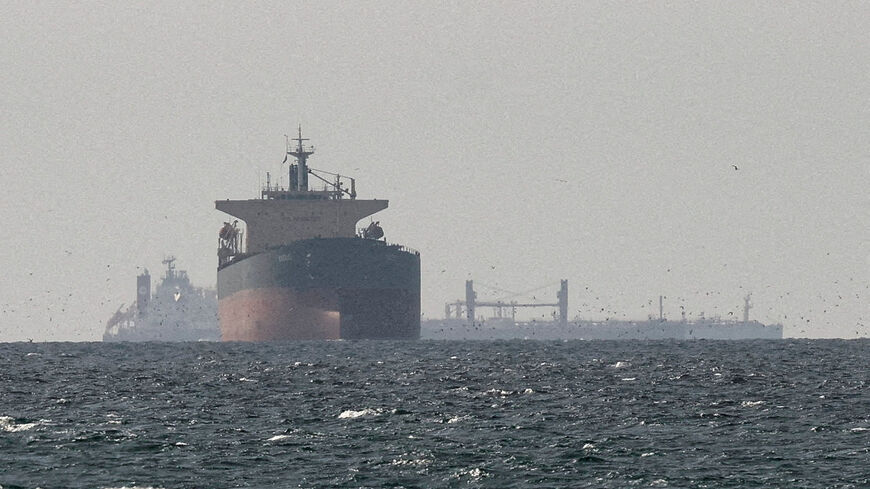
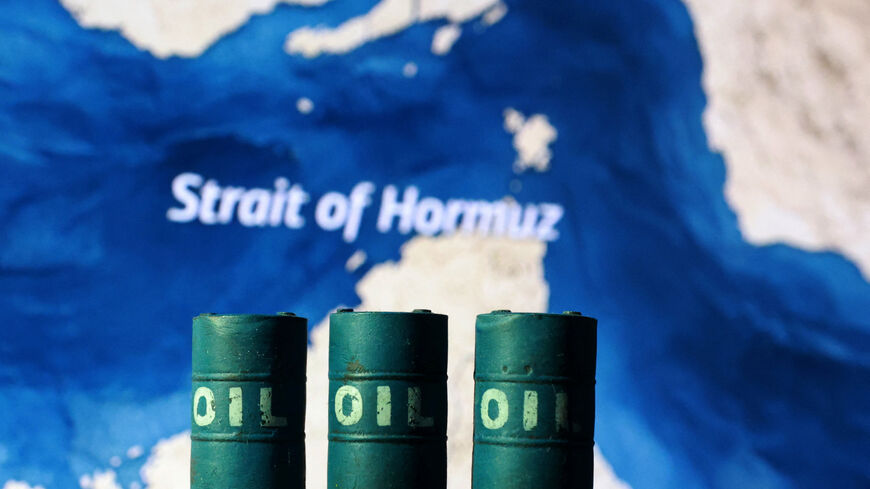
The announcement of the new diamond exchange comes as Qatar’s main exports, LNG and petroleum products, have been severely cut as a result of the Iran war and the Strait of Hormuz crisis. The waterway is a critical energy chokepoint that, before the war, which began at the end of February, saw around a fifth of all oil and LNG shipments pass through it. Since March 1, traffic through the strait has been at a near standstill amid attacks on ships by Iran’s Islamic Revolutionary Guard Corps and naval blockades by the United States.
Know more: Before the war, Qatar accounted for about 20% of all global LNG exports and between 130 and 140 ships transited the Strait of Hormuz a day. Now, traffic is close to zero. Fewer than 10 commodity ships transited the strait daily over the weekend despite the US and Iran claiming to pause missile strikes, according to data from analytics firm Kpler.
The Strait of Hormuz is critical for Qatar, especially its LNG exports, being the only maritime export route out of the country. According to the International Energy Agency, around 93% of Qatar’s LNG exports transited the strait last year. Although the supercooled fuel can be transported by land and rail, only with maritime routes can much higher volumes be exported.
As a result of the Strait of Hormuz crisis, economic diversification has become even more important for Qatar, which has lost billions of dollars in revenue as a result of the disruption in the waterway. In March, barely three weeks into the five-month war, Qatari Energy Minister Saad al-Kaadi said that Iranian attacks that knocked out 17% of the Gulf state’s LNG export capacity had cost an estimated $20 billion in lost annual revenue alone and threatened supplies to Europe and Asia.