



Speaker, negotiator, China envoy: What Ghalibaf's accumulated powers mean for Iran
Iran's appointment of Mohammad Bagher Ghalibaf to oversee the China relationship demonstrates his ability to operate across Iran's fractured institutional landscape and produce political outcomes.
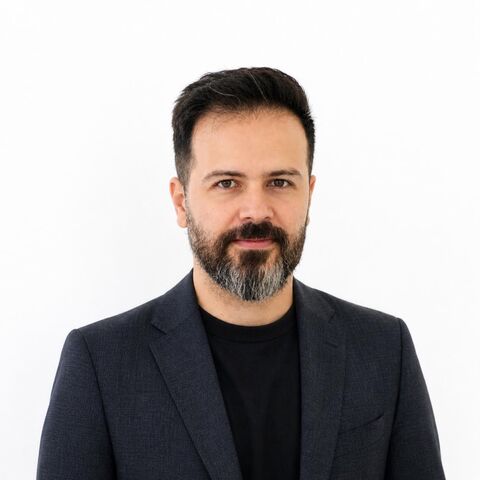

Two days after US President Donald Trump concluded his summit with Chinese President Xi Jinping in Beijing, Iran's state media reported on Saturday that Mohammad Bagher Ghalibaf had been appointed special representative for China affairs while retaining his position as parliament speaker. Whether deliberate or coincidental, the timing carried weight.
The post had belonged to Ali Larijani, the political operator who shepherded the 25-year cooperation agreement with China in 2021 and was killed in a targeted strike in March. Replacing Larijani in anything is not routine. Replacing him in this role — while simultaneously managing parliament and having just led Iran's delegation in Islamabad — signals a concentration of authority that standard Western frameworks of Iranian politics struggle to categorize.
Ghalibaf's rise
Those frameworks have not known where to place Ghalibaf. His Islamic Revolutionary Guard Corps background gets foregrounded and his presidential ambitions noted. What is often missed is the institutional role he has been constructing across two wars, and what his accumulation of portfolios suggests about where power in post-Khamenei Iran actually resides.


