



Pakistan prepares to host US-Iran talks, as Lebanon fighting continues


Pakistan was poised on Friday to host Iranian and US delegations for negotiations in its capital, although Tehran's participation remained uncertain after deadly Israeli strikes on Lebanon threatened this week's temporary truce.
Separately, Israel and Lebanon will hold talks in Washington next week, a State Department official said, amid mounting international concern that Israel's bombing campaign could shatter the already fragile two-week US-Iran ceasefire.
Islamabad was pressing ahead with its preparations for the high-stakes negotiations, which official sources say will canvass several sensitive points, including Iran's nuclear enrichment and the free flow of trade through the strategic Strit of Hormuz maritime chokepoint.
But, even as security was ramped up in Islamabad and the main luxury hotel hosting delegates was cleared of its normal well-heeled guests, Iran signalled that its participation could hinge on a halt in Israeli attacks on Lebanon.
"The holding of talks to end the war is dependent on the US adhering to its ceasefire commitments on all fronts, especially in Lebanon," Esmaeil Baqaei, Iran's foreign ministry spokesman, said.
"If the travel plan is finalised, the composition of the delegation will also be announced," he added.
Nevertheless, Iran's powerful Revolutionary Guards signalled they were committing to the ceasefire, according to the state broadcaster.
"We would like to inform you that the armed forces of the Islamic Republic of Iran have not launched anything at any country during the ceasefire hours until now," the Guards said.
On Wednesday, Israel's heaviest strikes on Lebanon since Hezbollah entered the Middle East war in early March killed hundreds, rattling the uneasy ceasefire between Washington and Tehran less than 48 hours after it came into force.
Pakistan has insisted that Lebanon is included in the ceasefire, and Washington made a push to include Beirut in parallel talks.
"We can confirm that the Department will host a meeting next week to discuss ongoing ceasefire negotiations with Israel and Lebanon," a US State Department official said.
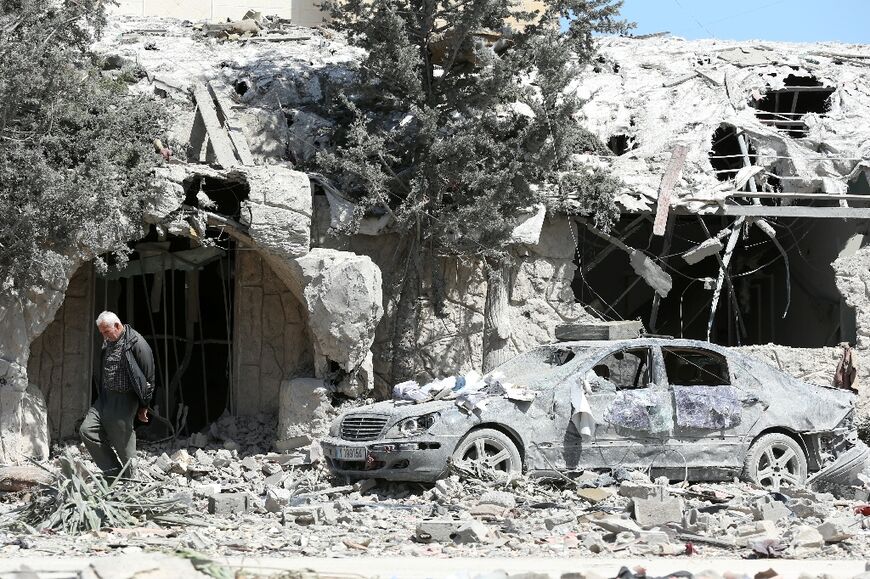
Neither Israel nor the Lebanese government have publicly confirmed these talks, although the announcement came shortly after Israeli Prime Minister Benjamin Netanyahu ordered his ministers to seek direct dialogue with Lebanon focused on disarming Iran-backed Hezbollah.
A Lebanese government official told AFP that Beirut would require a truce before entering any negotiations with Israel.
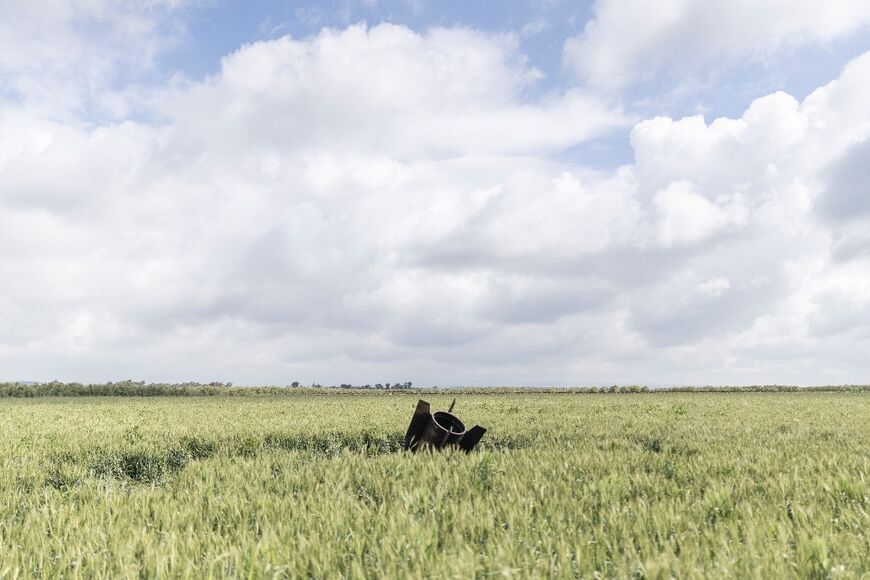
Attacks continued overnight, with air raid sirens in Israel's commercial hub Tel Aviv and other parts of the country and Hezbollah announcing it carried out drone and rocket strikes early on Friday on Israeli forces on both sides of the border as well as a town in Israel's north.
- 'They're wrong' -
Israel's refusal to halt operations in Lebanon has cast a shadow over the expected talks in Pakistan where many roads in the capital were closed on Friday during a two-day public holiday that turned the city into a ghost town as it prepared for delegates' arrival.
The two-week truce was agreed to allow negotiations between US and Iranian officials aimed at ending a conflict that has already killed thousands and plunged the global economy into turmoil.
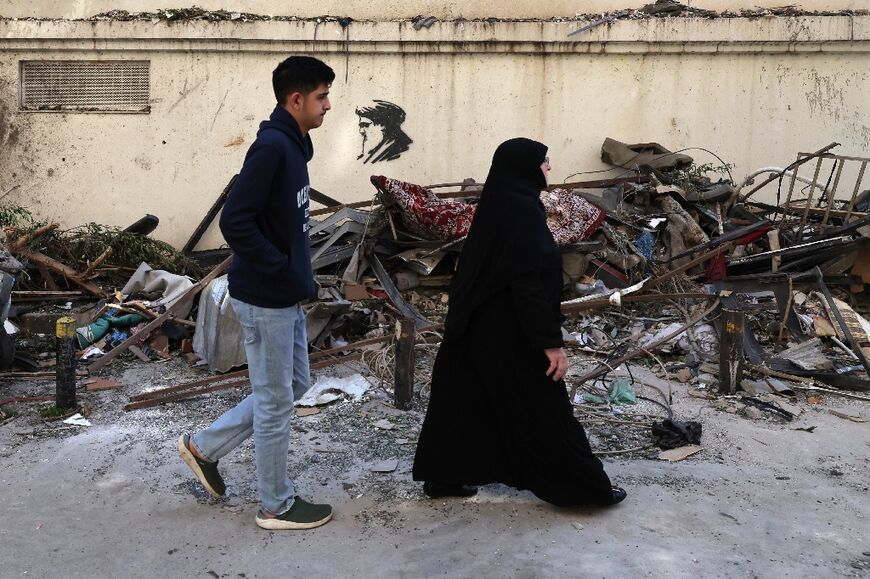
Iranian officials said Israel's strikes had rendered the Pakistan talks "meaningless" and that Lebanon was an "inseparable part of the ceasefire."
Tehran's ambassador to Pakistan on Thursday deleted a social media post saying an Iranian delegation would arrive in the country later that day.
Still, Vice President JD Vance is due to lead the US delegation on Saturday, joined by special envoy Steve Witkoff and Trump's son-in-law Jared Kushner.
Fresh fractures in the mediation process emerged when Pakistan's Defence Minister Khawaja Asif wrote a sharp criticism of Israel's strikes on Lebanon Thursday evening, in a post taken down hours later on Friday.
"Israel is evil and a curse for humanity -- while peace talks are underway in Islamabad, genocide is being committed in Lebanon," he wrote on X, adding that he hoped "people who created this cancerous state on Palestinian land" would "burn in hell."
The Israeli Prime Minister's office called the remarks outrageous, saying: "This is not a statement that can be tolerated from any government, especially not from one that claims to be a neutral arbiter for peace."
Pakistan does not formally recognise Israel -- a fact that could complicate its role as mediator -- and has insisted the ceasefire includes Lebanon, which Israel disputes.
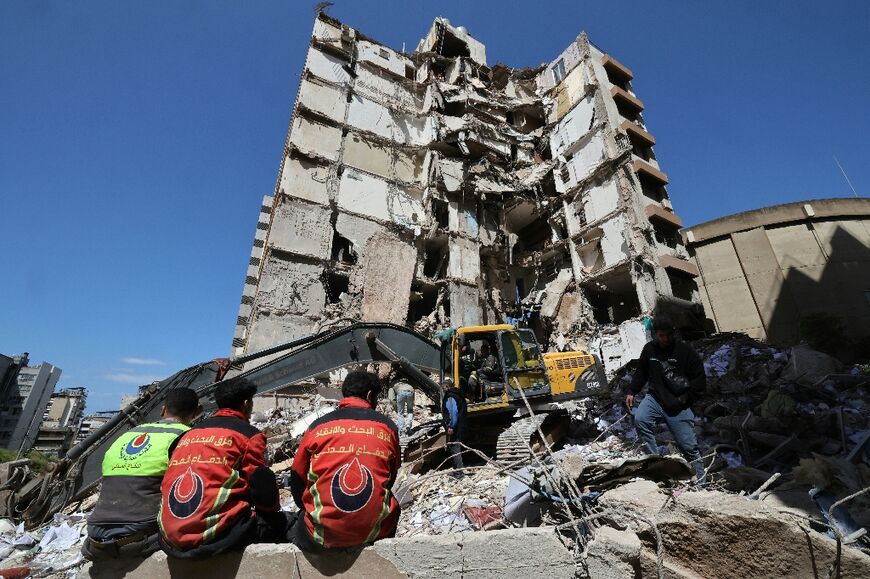
Fearing the truce may be in jeopardy, German Chancellor Friedrich Merz -- echoing worries in other capitals -- warned that the destruction in Lebanon could cause "the peace process as a whole to fail."
Netanyahu, who insists Lebanon is not covered by the ceasefire, said his message was clear: "Anyone who acts against Israeli civilians, we will strike them. We will continue to hit Hezbollah wherever necessary."
Trump told NBC News that Israel was "scaling back" strikes in Lebanon and that Netanyahu had assured him its attacks would become more "low-key."
- 'Poor job' -
If the talks go ahead, a key point of contention remains the Strait of Hormuz, through which a fifth of the world's oil as well as vast quantities of natural gas and fertiliser pass in peacetime.
Trump accused Iran of doing a "very poor job" of allowing oil through the strait and of breaching the terms of their ceasefire agreement.
In a barrage of social media posts that sparked fresh fears for the shaky truce, he also warned Tehran against imposing a toll on ships passing through the crucial waterway.
"Iran is doing a very poor job, dishonourable some would say, of allowing Oil to go through the Strait of Hormuz," Trump said on Truth Social. "That is not the agreement we have!"
MarineTraffic data showed that the Gabon-flagged MSG passed through the strait on Thursday, the first non-Iranian oil tanker to do so since the ceasefire was announced.
This one's on us.
The story doesn't end here.
Our correspondents are already on the next chapter. Read everything they file, from $2/week.
See Offers