Israel, Lebanon extend ceasefire as Iran peace talks stall


Israel and Lebanon extended their shaky ceasefire by three weeks on Friday, President Donald Trump said, as the United States remained at a standstill in negotiations with Iran to end the Middle East war.
Trump announced the truce extension as he met with ambassadors of the two countries and despite recent Israeli strikes in Lebanon and fresh rocket fire from Iran-backed Hezbollah, which was not part of the talks in Washington.
"I think there's a very good chance of having peace. I think it should be an easy one," Trump told reporters. The truce had initially been set to expire on Sunday.
Hezbollah reacted dismissively to Trump's statement, warning that it would respond to any Israeli attacks.
Ali Fayad, an MP for the party, said extending the ceasefire "makes no sense" in light of continued "hostile acts" by Israel, saying they gave "the resistance the right to respond at the appropriate time".
In south Lebanon's Tyre, a man named Mohamad Ali Hijazi was searching a mountain of rubble for mementoes of his family, killed in an Israeli airstrike minutes before the ceasefire took hold.
"I'm trying to find my mother's hairbrush... and a bottle of perfume that she loves," said Hijazi, 48 -- some of the last things he sent her from France, where he has long lived with his wife and two daughters.
"My life has been destroyed. I haven't slept for five days," he told AFP, repeatedly fighting back tears.
In Washington, Trump spoke in glowing terms of peace prospects for Lebanon, voicing hope for a three-way meeting with the Lebanese and Israeli leaders.
The two countries have been officially at war for decades and until last week had not met so directly since 1993.
A meeting between the leaders, let alone a peace treaty, would be nothing short of historic.
- 'Click is ticking' -
The envoys' meeting came as the US president said he was in no rush to end the war with Iran, adding that "the clock is ticking" for the Islamic republic.
Prospective peace talks between senior US and Iranian envoys Pakistan were hanging in the balance.
Iran's Foreign Minister Abbas Araghchi held phone conversations with his Pakistani counterpart Muhammad Ishaq Dar and the country's influential army chief, Asim Munir, who has been at the heart of the diplomatic effort.
"Both sides exchanged views on regional developments, the ceasefire, and ongoing diplomatic efforts being pursued by Islamabad in the context of US-Iran engagement," the Pakistani foreign ministry spokesman said.
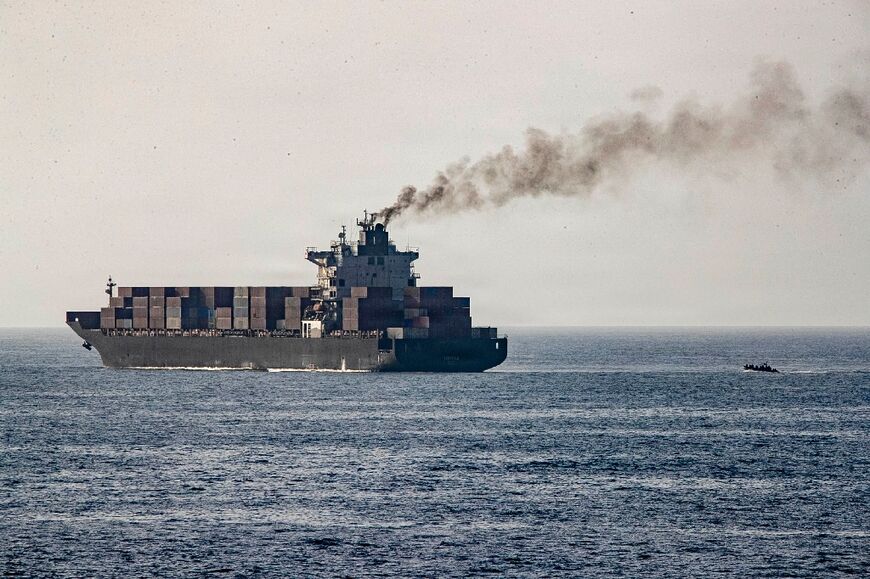
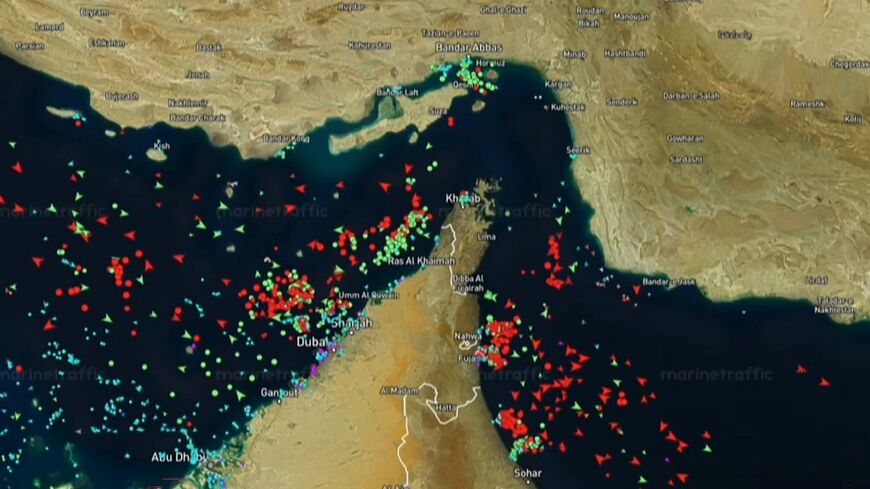
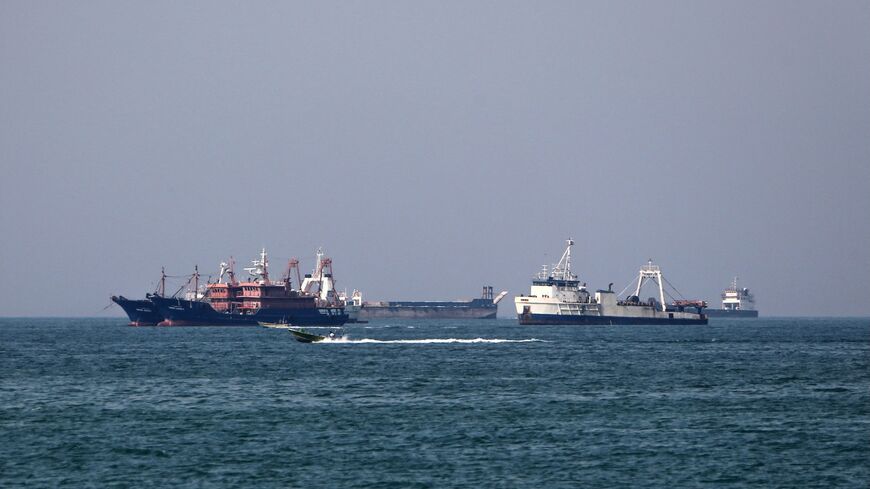
Since their ceasefire, the United States and Iran have shifted their focus to the Strait of Hormuz, a waterway through which a fifth of the world's oil and liquefied natural gas exports ordinarily flow.
Iran has all but closed it it in retaliation for the war, while the US has imposed a blockade of its own on Iranian ports.
"I have all the time in the World, but Iran doesn't -- The clock is ticking!" Trump said on social media.
- 'Shoot and kill' -
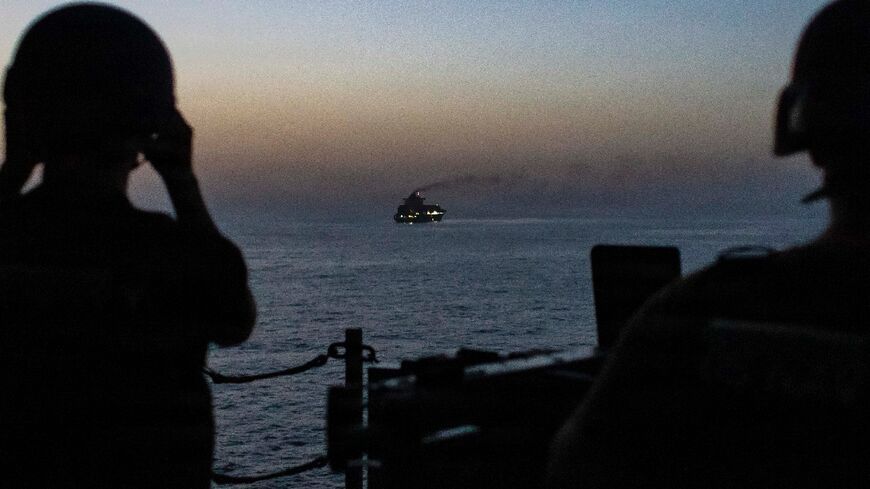
The USS George H.W. Bush aircraft carrier has arrived in the Middle East, the US military said Thursday, bringing the number of the massive American warships operating in the region to three.
A second carrier was operating in the Red Sea on Thursday, while a third is also in the region, according to social media posts by US Central Command (CENTCOM).
Earlier, US forces boarded a vessel in the Indian Ocean that was transporting oil from Iran and a senior Iranian official said Tehran had banked its first proceeds from the tolls it exacts on shipping through the strait.
Trump had said he "ordered the United States Navy to shoot and kill any boat, small boats though they may be... that is putting mines in the waters of the Strait of Hormuz".
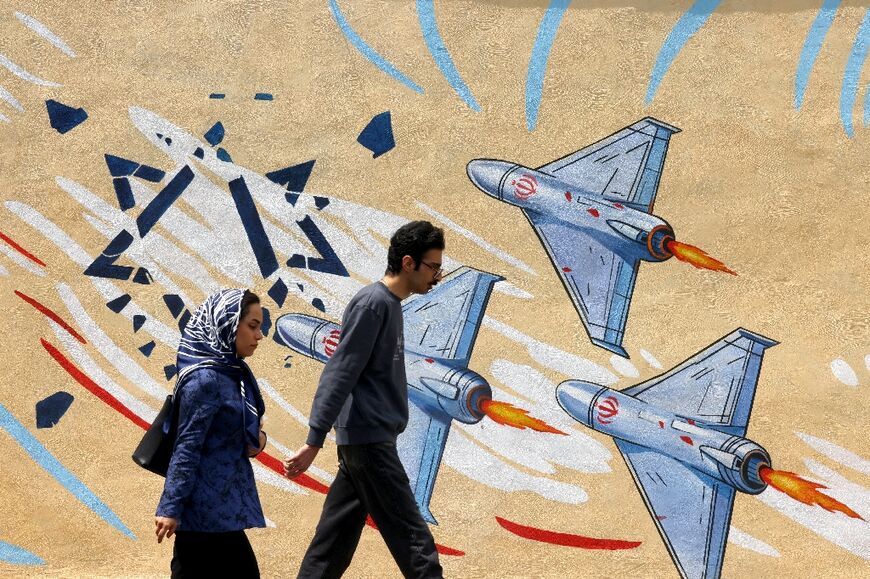
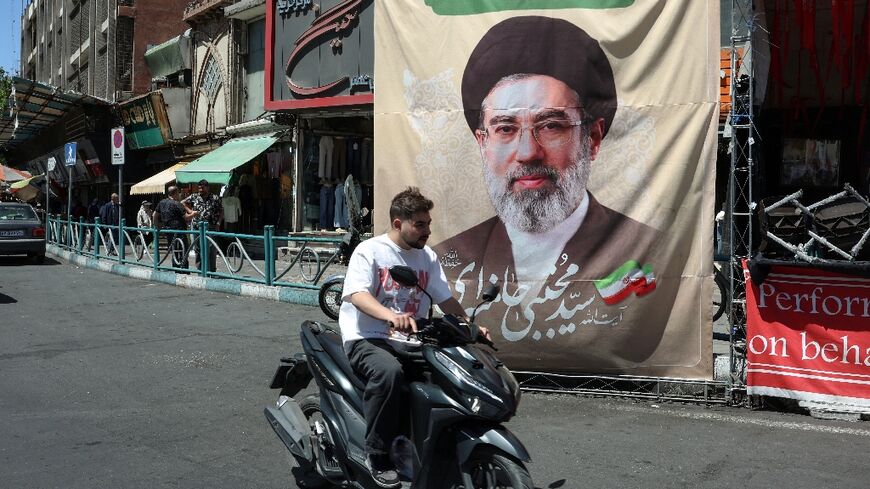
Israel's Defence Minister Israel Katz meanwhile said "we are awaiting a green light from the United States -- first and foremost to complete the elimination of the Khamenei dynasty... and additionally to return Iran to the Dark Age and the Stone Age".
Iran has vowed it would keep the strait closed to all but a trickle of approved vessels for as long as the US Navy blockades its ports, brushing off demands from Trump to both reopen Hormuz and surrender its enriched uranium.
The Pentagon on Thursday announced that US forces had "carried out a maritime interdiction and right-of-visit boarding of the sanctioned stateless vessel M/T Majestic X transporting oil from Iran, in the Indian Ocean".
International flights from Tehran's Imam Khomeini Airport will resume on Saturday, the ISNA news agency reported, days after Iran reopened its airspace.
The first flights to resume will be to Istanbul, Muscat and Beijing, the announcement said. Iran's airspace was slammed shut by the US-Israeli war with Iran that began on February 28 and is only slowly being reopened during the ceasefire.
burs/dc/ser