



War in the Middle East: latest developments


Here are the latest developments in the Middle East war:
- Iran arrests -
Iranian authorities said that 466 people have been arrested, accused of seeking to destabilise the country through their online activity.
The exact nature of the online activity nor the dates of the arrests were provided. Internet has been shut down in Iran since the start of the war on February 28.
- New Iran chief -
Iran named a former Revolutionary Guards commander, Mohammad Bagher Zolghadr, as the new chief of the Supreme National Security Council to replace Ali Larijani, killed in an Israeli strike, state television said.
- Gulf 'breakdown' -
The Gulf states will need to re-evaluate their shared security after the war, which has resulted in a "breakdown of the security system," a Qatar foreign ministry spokesman said.
- Iran envoy out -
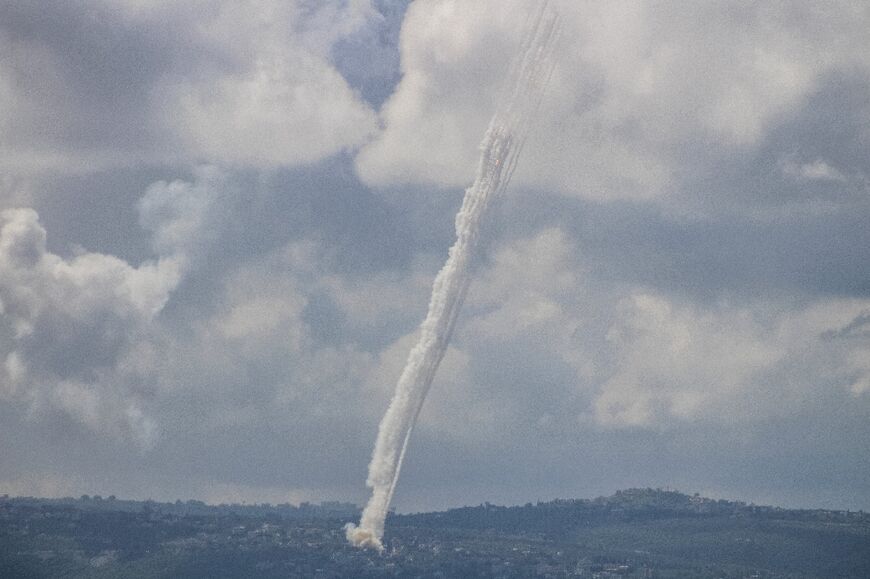
Lebanon withdrew the accreditation of Iran's ambassador and gave him until Sunday to leave the country.
The move came after Beirut accused Iran's Revolutionary Guards of commanding the operations of the Tehran-backed Hezbollah in its war against Israel.
- Isfahan strikes -
Israel's military said that it had completed a "large wave of strikes in Isfahan."
- 'Security zone' -
Israel's Defence Minister Israel Katz said the military would take control of south Lebanon up to the Litani River as a "security zone", as it presses its fight against Iran-backed Hezbollah.
The hundreds of thousands of south Lebanon residents who have been displaced by the war "will not return south of the Litani River until security is guaranteed for the residents of the north" of Israel, he said.
- UN rights meet -
The UN Human Rights Council said it will hold an urgent meeting on Wednesday on Iran's strikes on countries in the Gulf region.
- Iran energy sites hit -
Iranian media reported on Tuesday that Israeli-US strikes targeted two gas facilities and a pipeline, hours after US President Donald Trump stepped back from his threat to attack power infrastructure.
In an interview with state TV, Energy Minister Abbas Aliabadi said that Iran is less vulnerable to attacks on energy infrastructure because it was spread out, with 150 power plants across the country.
- Iraqi Kurdistan targeted -
A rocket attack in Iraq's north killed six fighters from the peshmerga armed forces of Iraq's autonomous Kurdistan region, officials said.
The region's armed forces ministry blamed Tehran, saying "six Iranian ballistic missiles targeted" the troops in two attacks.
- Wounded in Tel Aviv -
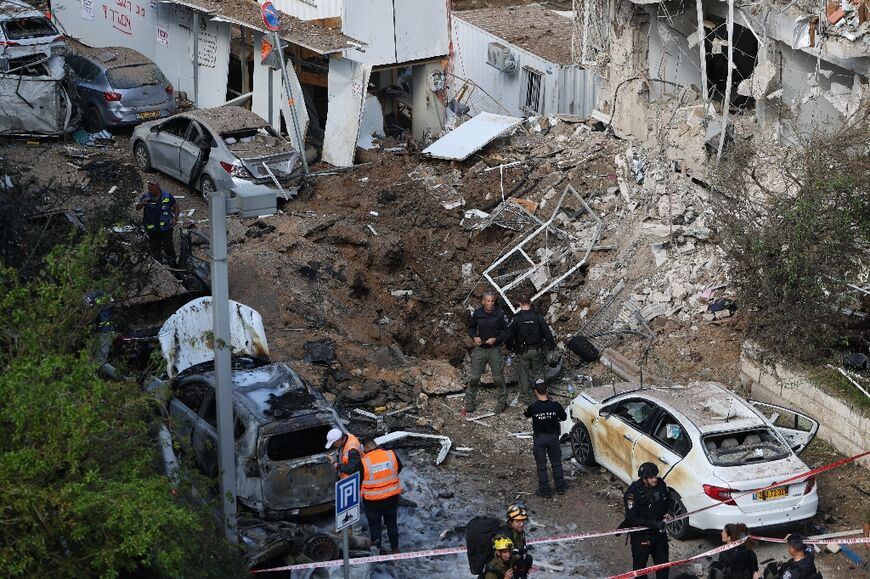
Four people were wounded in Tel Aviv, where police reported several impact sites after the military warned of incoming missiles from Iran. The city's mayor said the hit in an upscale neighbourhood in the north was a "direct strike".
Iran's Revolutionary Guards threatened to conduct "heavy missile and drone strikes" in what it described as support for Palestinian and Lebanese civilians hit by Israeli fire.
- Two killed near Beirut -
An Israeli strike on Bshamoun, a town south of Beirut which lies outside of the traditional strongholds of Iran-backed Hezbollah, killed at least two people, Lebanon's health ministry said.
- Iraq deaths -
A strike in western Iraq on Tuesday killed 15 fighters, including Saad Dawai al-Baiji, provincial commander and head of operations in Anbar for the former paramilitary coalition Hashed al-Shaabi, also known as the Popular Mobilisation Forces (PMF).
The PMF is now part of Iraq's regular army, but also includes some pro-Iranian groups. It has blamed the attack on the US.
- Syrian base targeted -
Syria's army said Monday that one of its bases in the northeast was targeted by a missile strike from neighbouring Iraq, while an Iraqi official said a local armed group was behind the attack.
The Iraqi official, requesting anonymity, told AFP that "an Iraqi faction fired seven Arash-4 rockets, an improved version of the Grad rocket, towards a base in the Hassakeh region".
burs/yad/st
This one's on us.
The story doesn't end here.
Our correspondents are already on the next chapter. Read everything they file, from $2/week.
See Offers