Israeli strike kills four at Beirut hotel: Lebanon


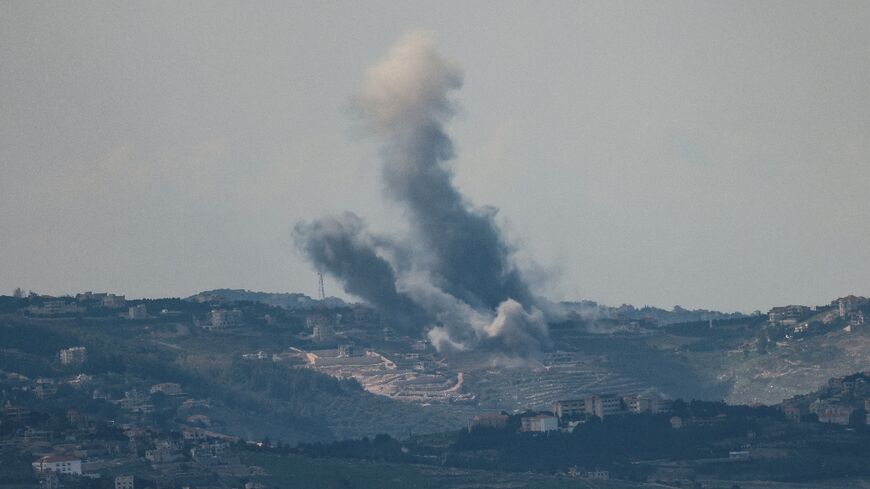
An Israeli strike on a hotel in central Beirut killed at least four people Sunday, Lebanese officials said, underscoring the widening reach of the US-backed war against Iran as missiles, drones and air strikes pounded targets across the region.
The attack came with the conflict spilling into a second week, as both sides pressed attacks and the bodies of the first US troops to die in the war were returned home.
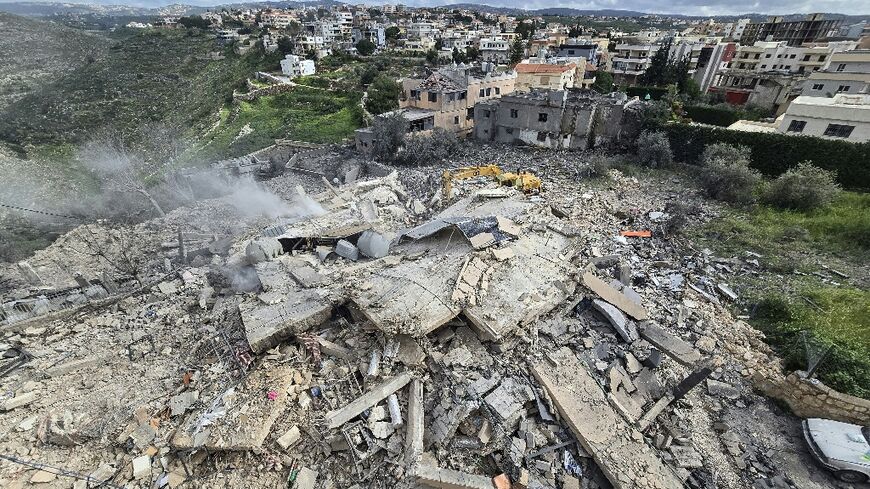
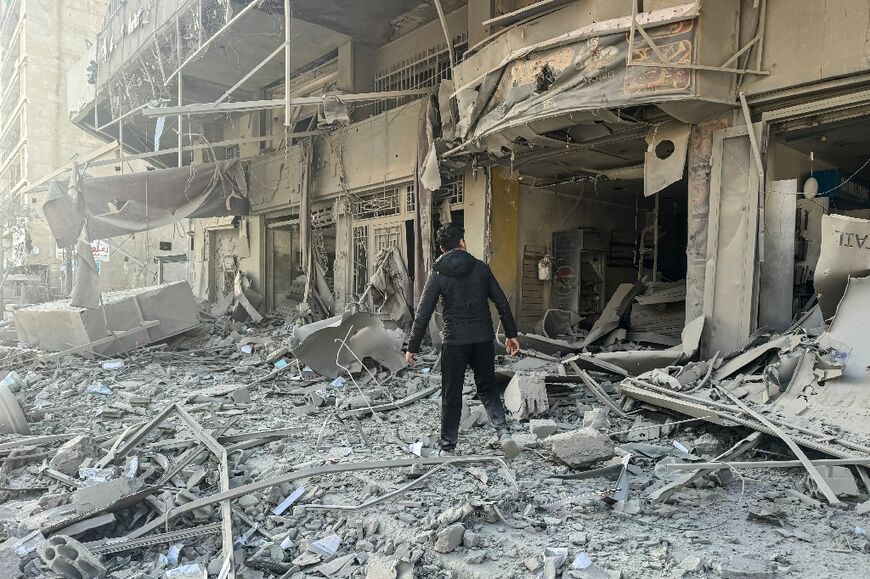
An AFP photographer at the bombed seafront hotel saw shattered windows and heavy damage to one room while security forces sealed off the area.
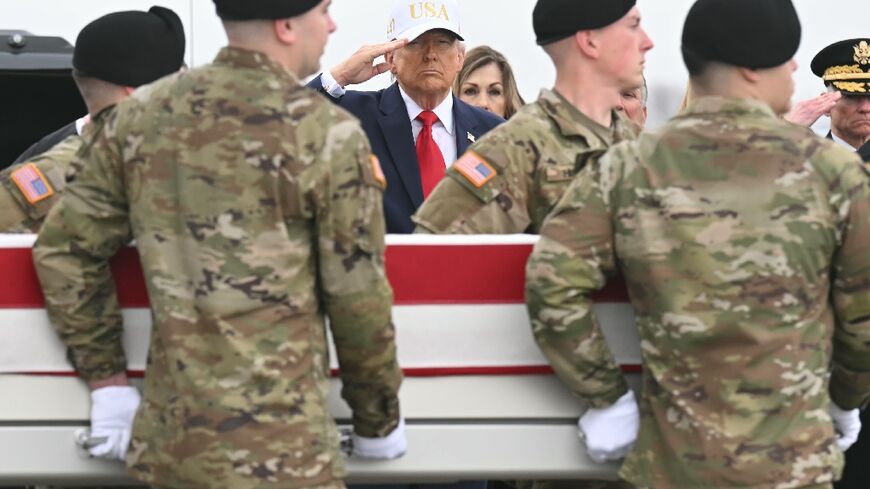
US President Donald Trump attended the return of six American service members killed in a drone strike on a US base in Kuwait last Sunday, a day after the United States and Israel launched their military campaign against Iran.
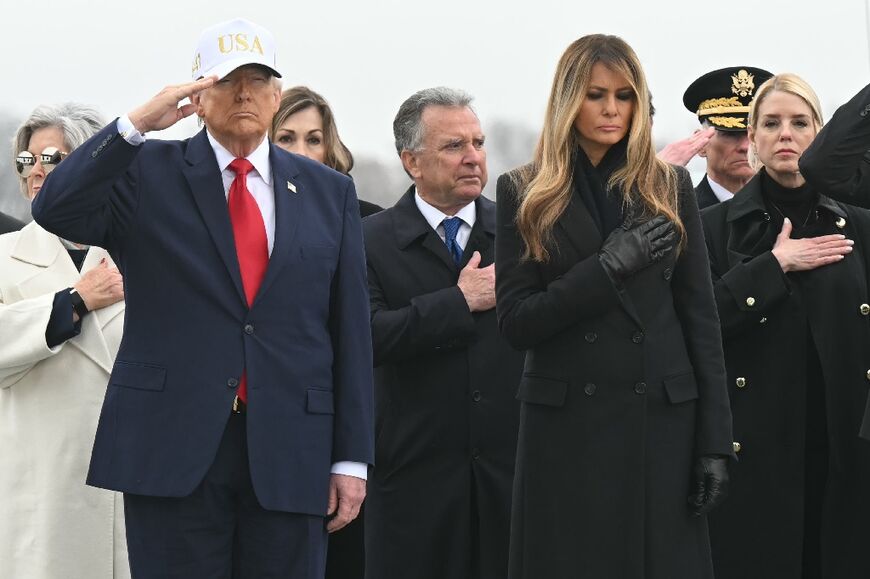
Wearing a white "USA" baseball cap, he saluted as flag-draped cases carrying the soldiers' remains were carried off a military transport plane at Dover Air Force Base.
Israeli Prime Minister Benjamin Netanyahu vowed Saturday to prosecute the war with Iran "with all our force", declaring Israel had a plan to eradicate the country's leadership, even as Tehran insisted it would not surrender.
- Air supremacy -
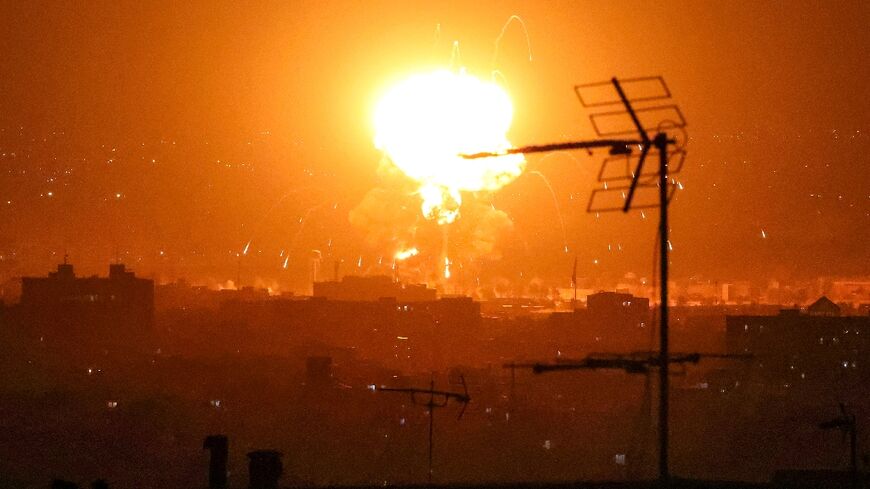
Israel launched some of its largest raids since the war began on Saturday, targeting a military academy, an underground command centre and missile storage sites.
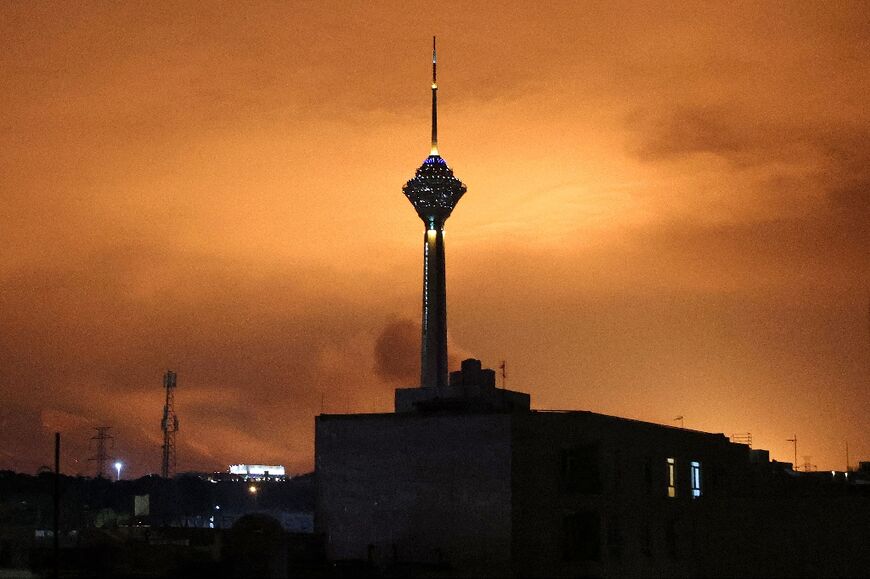
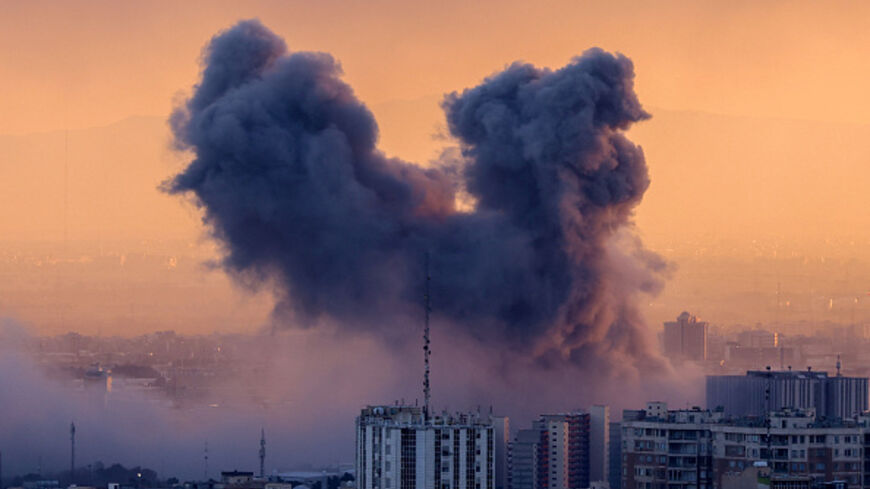
Fire and smoke billowed from Tehran's Mehrabad International Airport after a predawn attack that Israel said destroyed 16 aircraft and fighter jets. Netanyahu said Israel had achieved almost total control of the skies over the Iranian capital.
Trump also struck a defiant tone, repeating his claim that Iran had been close to developing a nuclear weapon and warning on Truth Social: "Today Iran will be hit very hard!"
He said Washington did not want Kurdish fighters joining the conflict and suggested US troops could eventually be needed to secure Iran's enriched uranium stockpiles.
Trump also mocked reports Britain might send aircraft carriers to the region, posting: "We don't need people that join wars after we've already won!"
Separately, he blamed Iran for what the country's authorities said was a deadly strike on an elementary school in Minab last Saturday that killed at least 150 people.
The comment came after a New York Times investigation suggested US forces were most likely responsible.
Neither Washington nor Israel has claimed responsibility for the attack and AFP could not independently verify the circumstances.
The conflict -- sparked by joint US-Israeli strikes that killed Iran's supreme leader Ali Khamenei -- has spread across the region and beyond, reaching the seas off Sri Lanka, where US forces sank an Iranian warship.
- 'Humanitarian disaster' -
Iran's Revolutionary Guards said they had struck a US naval base in Bahrain after accusing Washington of targeting an Iranian desalination plant earlier in the day.
There were air raid warnings and explosions reported across the region, including in Jerusalem, Doha and Manama. Saudi Arabia said it intercepted 14 drones while the United Arab Emirates said its air defences destroyed 15 missiles and 119 drones.
Video footage showed one projectile crashing at Dubai airport, while AFP journalists heard blasts in Baghdad, Erbil and Dubai on Saturday evening.
Inside Iran, damage to infrastructure and residential areas is mounting as its people report growing anxiety and a heavy security presence.
"I don't think anyone who hasn't experienced war would understand it," a 26-year-old teacher told AFP on condition of anonymity.
Iran's health ministry said Friday at least 926 civilians had been killed and around 6,000 wounded -- figures AFP could not independently verify.
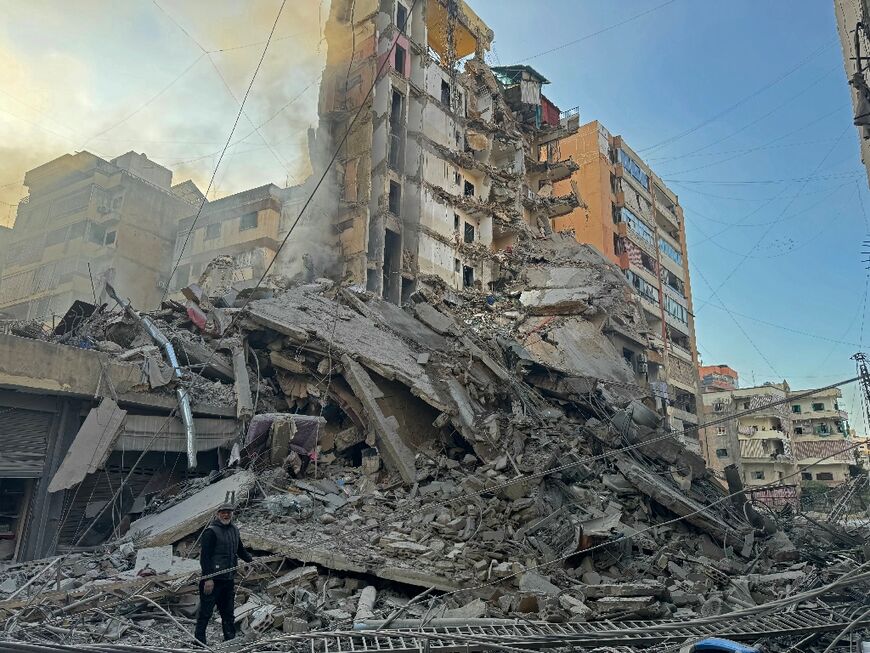
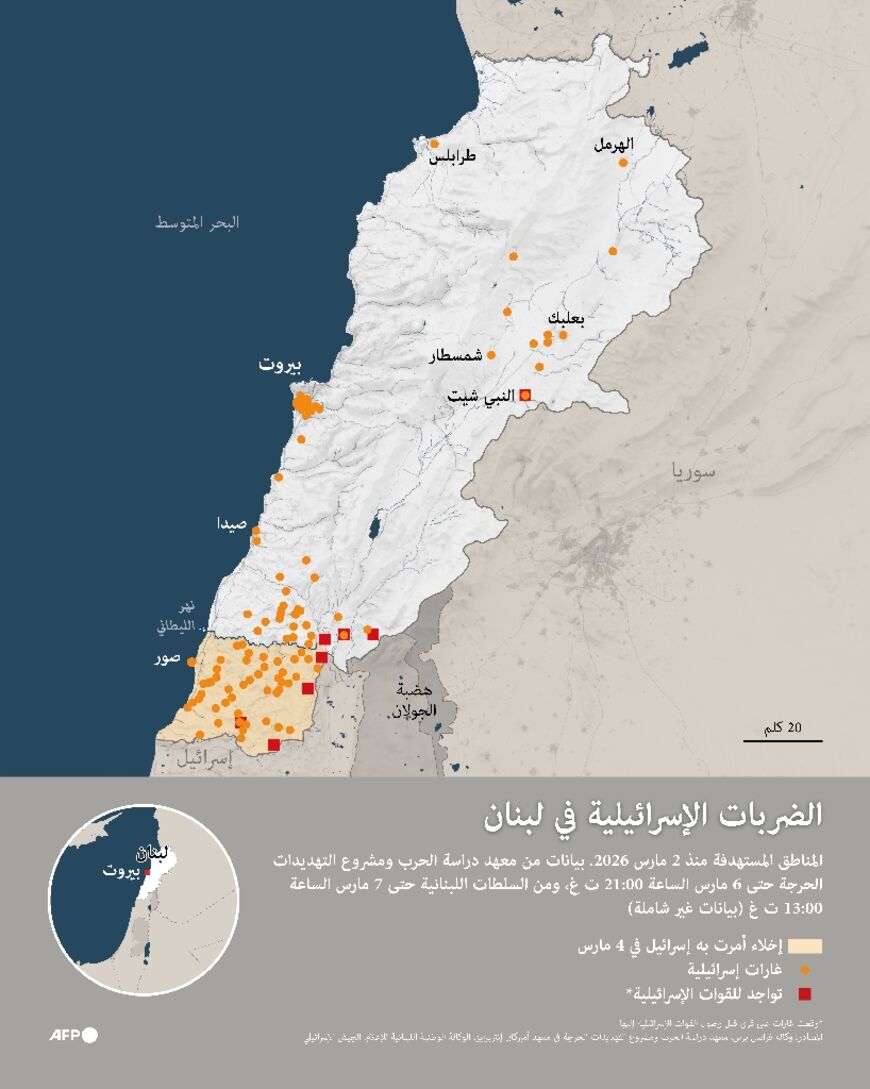
Lebanon's health ministry said at least 294 people have died in Israeli air strikes over the past week, prompting Prime Minister Nawaf Salam to warn of a looming "humanitarian disaster".
Israel had stepped up its air campaign hours before the seafront hotel was hit, targeting Hezbollah infrastructure in the Dahiyeh area of Beirut's southern suburbs.
Iran-backed Hezbollah said it had fired 100 rockets and drones at Israeli territory, targeting naval bases and air defence systems. The group claimed more than 30 attacks against Israeli positions and troops, including near Haifa and Tel Aviv.
- Economic shockwaves -
The conflict is reverberating far beyond the battlefield.
Global stock markets have slumped and oil prices have surged, as Iran attempts to choke shipping through the Strait of Hormuz -- a key artery for global energy supplies.
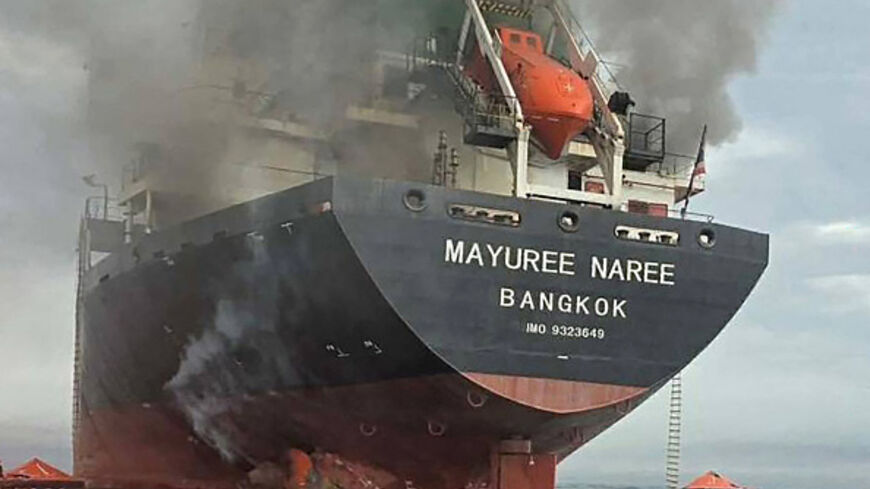
Iran's Revolutionary Guards said they had struck two oil tankers with drones in the Gulf.
Analysts warn there is still no clear path to ending a conflict that US and Israeli officials say could last a month or longer.
Trump has suggested Iran's economy could be rebuilt if a leader "acceptable" to Washington replaces the late supreme leader.
But Iran's ambassador to the United Nations, Amir Saeid Iravani, said the choice of leadership would be made "solely by the will of the Iranian people."
China and Russia have largely stayed on the sidelines despite close ties with Tehran. Trump told reporters he had "no indication" of reports that Moscow may be sharing intelligence with Iran on US troop movements.