Iran's Khamenei says protesters' economic demands fair, warns 'rioters'


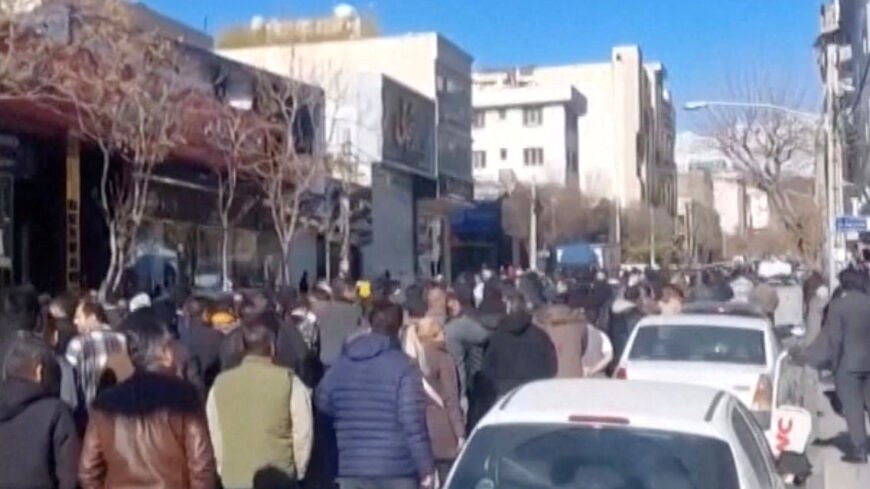
Supreme leader Ayatollah Ali Khamenei on Saturday acknowledged the economic demands of protesters in Iran, where demonstrations have spread to more than two dozen cities, even as he warned there would be no quarter for "rioters".
The protests began on Sunday as an expression of discontent over high prices and economic stagnation, but have since expanded to include political demands.
Iranian media have reported localised violence and vandalism in the west of the country in recent days.
"During clashes in Malekshahi, Latif Karimi, a member of the IRGC, was killed while defending the country's security," Mehr news agency said.
Malekshahi is a county of about 20,000 residents with a large Kurdish population, where "rioters attempted to enter a police station", according to separate news agency Fars, which added that "two assailants were killed".
Mehr earlier reported a member of the Basij paramilitary force was also killed during another protest in western Iran after being "stabbed and shot" by "armed rioters".
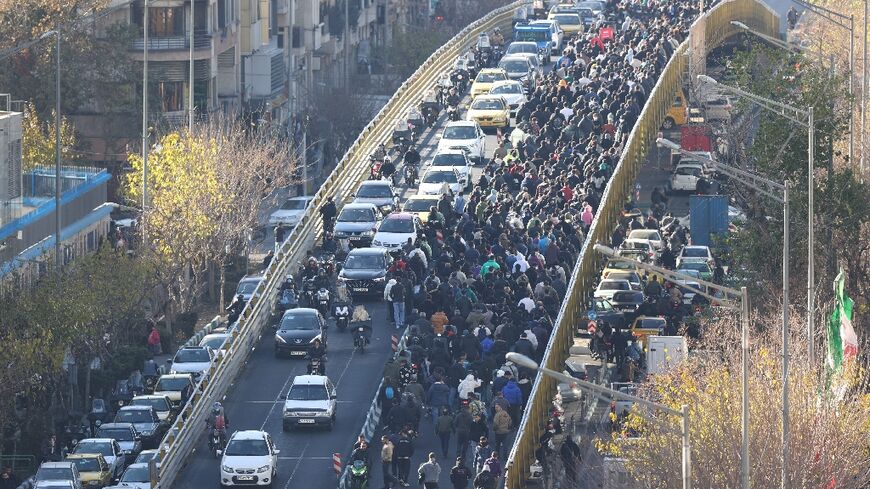
The protests have affected, to varying degrees, at least 30 different cities, mostly medium-sized, according to an AFP tally based on official announcements and media reports.
At least 12 people have been killed since Wednesday in clashes, including members of the security forces, according to a toll based on official reports.
Speaking to worshippers gathered in Tehran for a Shiite holiday, Khamenei said the protesters' economic demands in the sanctions-battered country were "just".
"The shopkeepers have protested against this situation and that is completely fair," he added.
But Khamenei nonetheless warned that while "authorities must have dialogue with protesters, it is useless to have dialogue with rioters. Those must be put in their place."
The first deaths were reported on Thursday as demonstrators clashed with authorities.
The Tasnim news agency, citing a local official, also reported a man was killed on Friday in the holy city of Qom, south of Tehran, when a grenade he was trying to use exploded "in his hands".
A 17-year-old boy, connected to the Qom protests and wounded by gunfire, also died from his injuries, Tasnim added.
However, local media do not necessarily report on every incident, and state media have downplayed coverage of protests, while videos flooding social media are often impossible to verify.
- Political demands -
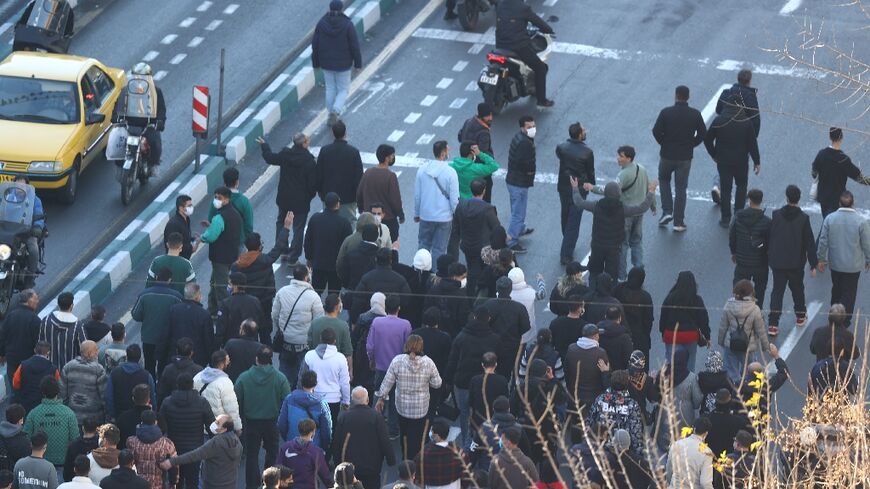
The Fars news agency reported gatherings on Friday in several working-class neighbourhoods of Tehran, which is home to around 10 million people.
In Darehshahr, in the country's west, around 300 people blocked streets, threw Molotov cocktails and "brandished Kalashnikovs" on Friday, according to Fars.
The movement kicked off on Sunday when shopkeepers went on strike in Tehran to protest economic conditions, and spread after university students elsewhere in the country took up the cause.
In recent days, the protests have taken on a more overtly political bent.
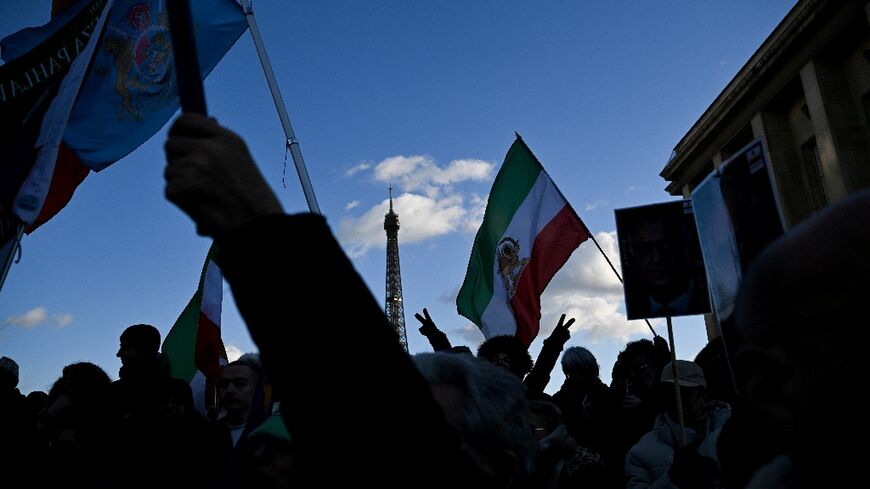
In Karaj, on the outskirts of the capital, "a few people burned the Iranian flag, shouting 'Death to the dictator!' and 'This isn't the last battle, Pahlavi is coming back!'" Fars reported, adding that others in the crowd objected to the slogans.
The pro-Western Pahlavi dynasty ruled Iran from 1925 to 1979, when it was toppled by the Islamic revolution.
Since the protests began, authorities have adopted a conciliatory tone when it comes to economic demands, while warning that destabilisation and chaos will not be tolerated.
Though widespread, the demonstrations are smaller than the ones that broke out in 2022, triggered by the death in custody of Mahsa Amini, who was arrested for allegedly violating Iran's strict dress code for women.
Her death sparked a nationwide wave of anger that left several hundred people dead, including dozens of members of the security forces.
Iran was also gripped by nationwide protests that began in late 2019 over a rise in fuel prices, eventually leading to calls to topple the country's clerical rulers.