US says Iran halts executions as Gulf allies pull Trump back from strike


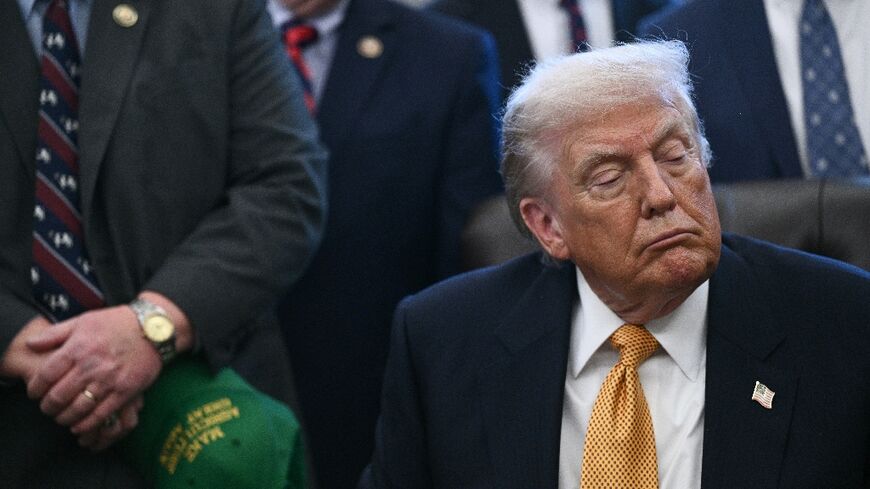
The United States on Thursday said Iran halted 800 executions of protesters under pressure from President Donald Trump, after Gulf allies appeared to pull him back from military action over Tehran's deadly crackdown on demonstrations.
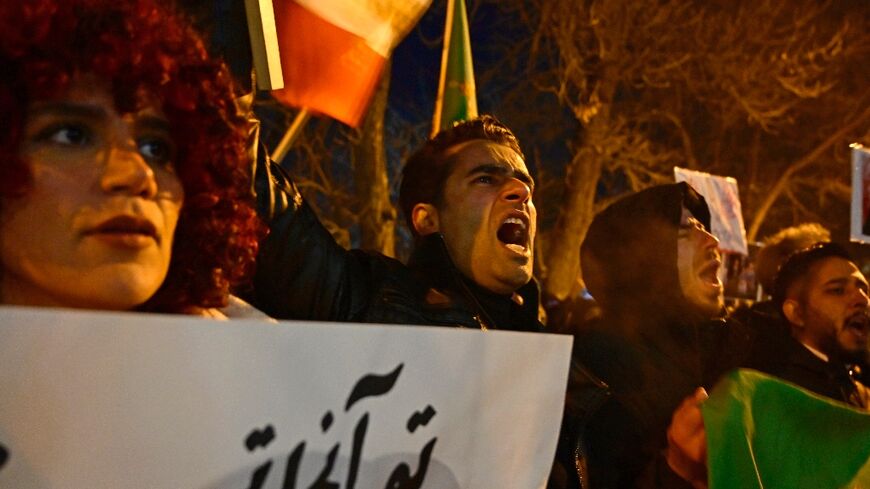
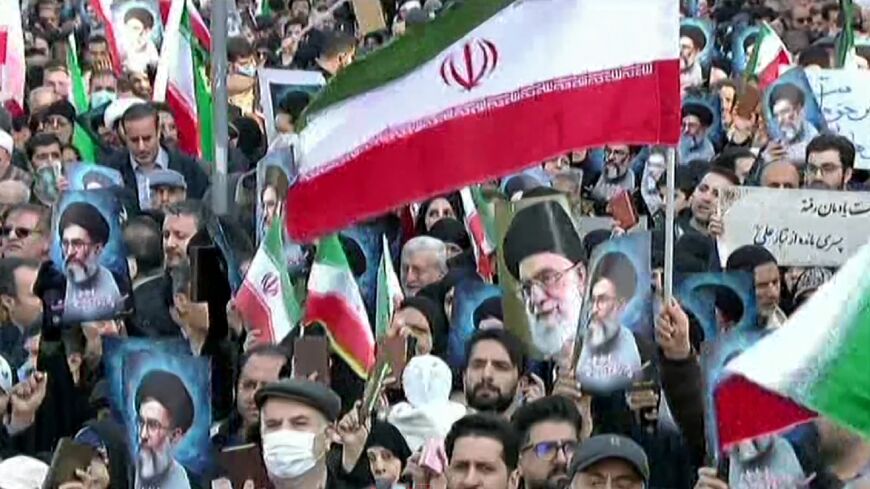
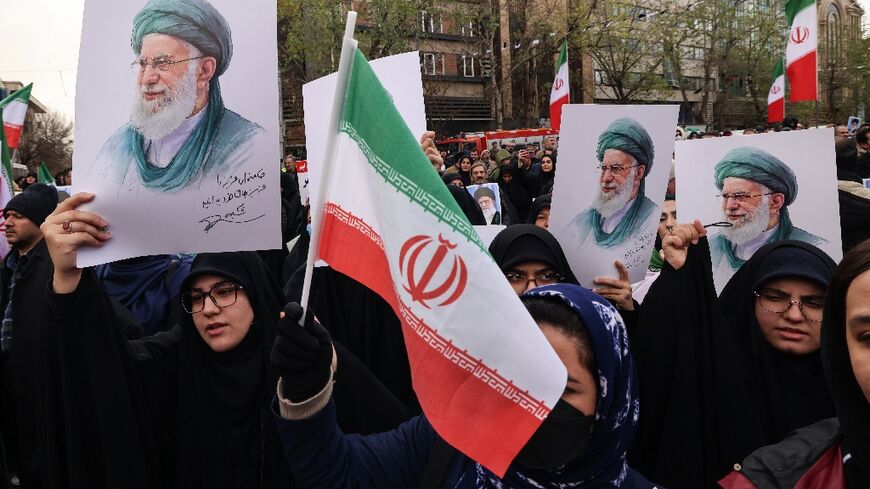
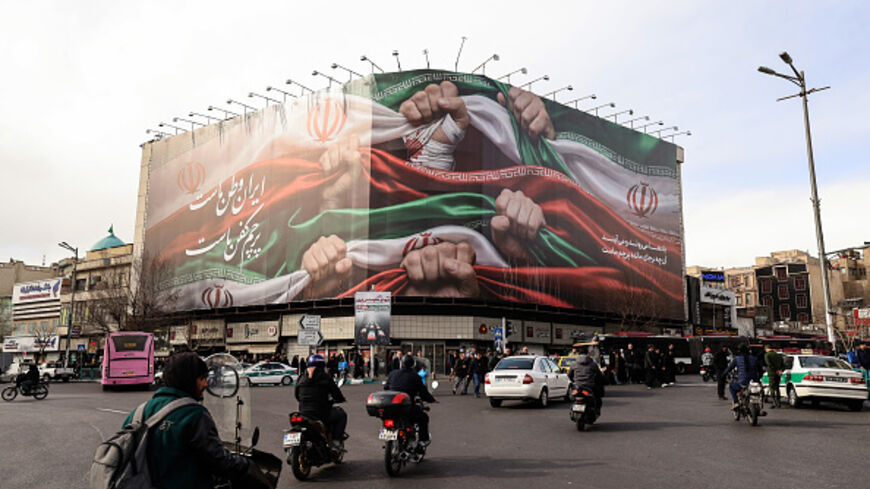
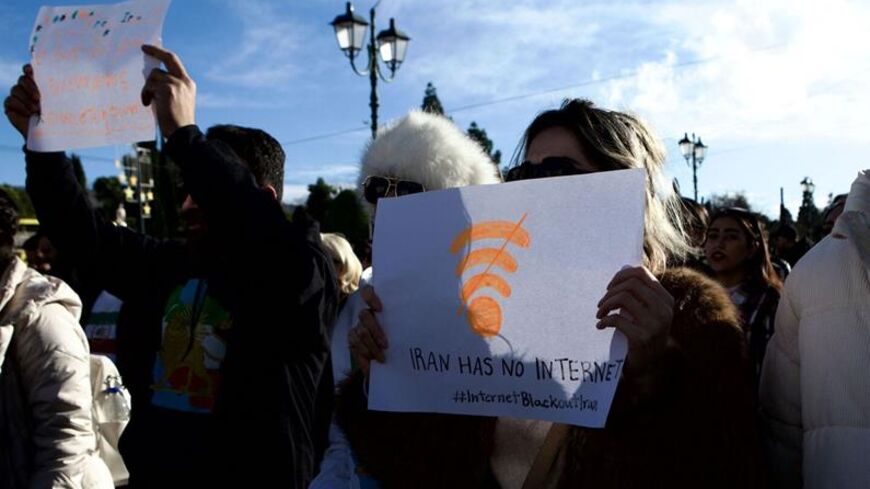
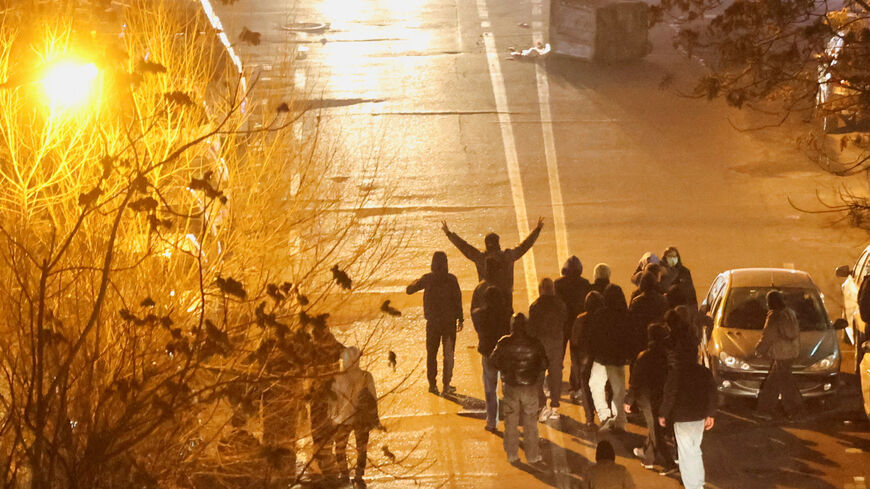
Iran was shaken over the last week by some of the biggest anti-government protests in the history of the Islamic republic, although the demonstrations appear to have diminished over the last few days in the face of repression and a week-long internet blackout.
While Washington has stepped back from military action, the White House said Thursday that "all options remain on the table for the president".
"The president understands today that 800 executions that were scheduled and supposed to take place yesterday were halted," White House Press Secretary Karoline Leavitt told reporters.
She said Trump had warned Tehran of "grave consequences" if the killing of demonstrators continued.
The Treasury also announced new sanctions targeting Iranian officials on Thursday, with Tehran already under crippling restrictions over its nuclear programme that contributed to the economic woes that sparked protests.
The Norway-based Iran Human Rights (IHR) NGO said on Wednesday that Iranian security forces had killed at least 3,428 protesters, warning that the final toll would be far higher.
Trump had said Wednesday he had received assurances from "very important sources on the other side" that executions would not go ahead, as Gulf allies scrambled to pull him back from military action.
With the belligerent rhetoric on all sides appearing to tone down for now, a senior Saudi official told AFP on Thursday that Saudi Arabia, Qatar and Oman led efforts to talk Trump out of an attack, fearing "grave blowbacks in the region".
The Gulf trio "led a long, frantic, diplomatic last-minute effort to convince President Trump to give Iran a chance to show good intention", the official said on condition of anonymity.
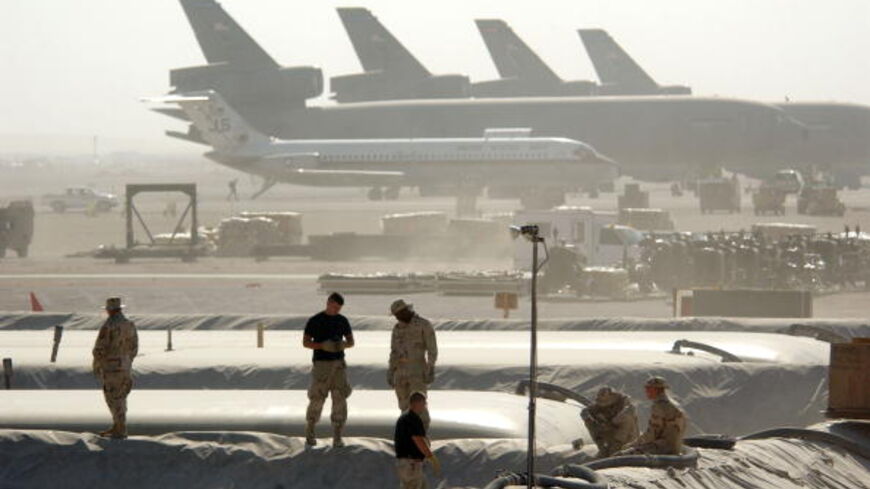
A second Gulf official confirmed the talks, adding that a message was also conveyed to Iran that attacking US regional facilities would "have consequences".
Asked about a New York Times report that Israeli Prime Minister Benjamin Netanyahu warned Trump against strikes, Leavitt said: "Look, it's true that the president spoke with (him), but I would never give details about their conversation without... the express approval by the president himself."
Iranian authorities have lashed out at "rioters" who they claim were backed by Israel and the US, vowing fast-track justice that activists fear will translate into a spree of executions.
- 'No hanging today' -
In telephone talks on Thursday, Iranian Foreign Minister Abbas Araghchi told his Saudi counterpart Faisal bin Farhan that Iran would defend itself "against any foreign threat", according to a statement.
On Wednesday, Saudi Arabia informed Iran it would not allow its airspace or territory to be used to attack the country, two sources close to the kingdom's government told AFP.
The Swiss foreign ministry, which represents US interests in Iran, said Iranian security chief Ali Larijani spoke by phone on Wednesday to senior Swiss diplomat Gabriel Luechinger.
Bern offered to "contribute to the de-escalation of the current situation", the ministry said.
Later on Thursday the country summoned Iran's ambassador to voice its "greatest concern" over the crackdown on nationwide protests, a foreign ministry official said.
The developments came hours ahead of a UN Security Council meeting on Iran later on Thursday, which was requested by the US.
Up until Wednesday, the United States was threatening military action against Iran should it carry out the death penalty against people arrested over the protests.
Attention had focused on protester Erfan Soltani, 26, in prison in Karaj outside Tehran since his arrest, and who rights groups said was due to be executed on Wednesday.
On Thursday, the Iranian judiciary said Soltani has "not been sentenced to death" and was facing charges of propaganda against Iran's Islamic system.
If he is convicted, "the punishment, according to the law, will be imprisonment".
In an interview with US network Fox News, Araghchi said there would be "no hanging today or tomorrow".
Commenting on Truth Social, Trump said: "This is good news. Hopefully, it will continue!"
- 'Significant cost' -
Araghchi said the Iranian government was "in full control" and reported an atmosphere of calm after what he called three days of "terrorist operation".
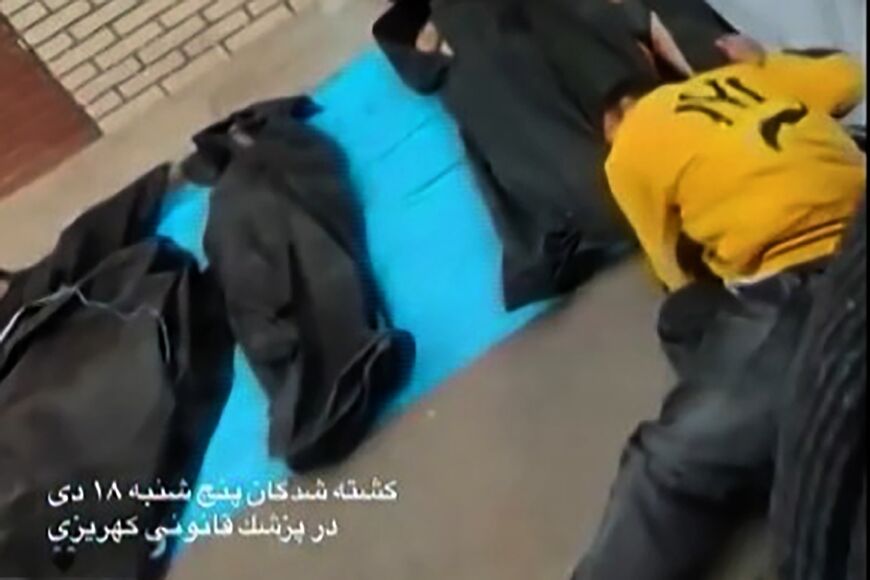
Despite the internet shutdown, new videos from the height of the protests, with locations verified by AFP, showed bodies lined up in the Kahrizak morgue south of Tehran, as distraught relatives searched for loved ones.
Another video circulating on social media, said to be from Wednesday, showed people gathered for the funeral of a labourer killed during the protests chanting "Death to Khamenei" and "this year Seyyed Ali (Khamenei) will be overthrown".
AFP was able to verify the location of the video as Abdanan in the western province of Ilam, but not its date.
Meanwhile, the Canadian government confirmed on Thursday that one of its citizens was killed in the protest.
The unnamed Canadian "died at the hands of the Iranian authorities", Foreign Minister Anita Anand said.