



Real-life horror to TV drama: Feared Syria sites become sets for series


At a Damascus air base once off-limits under Bashar al-Assad, a crew now films a TV series about the final months of the ousted leader's rule as seen through the eyes of a Syrian family.
"It's hard to believe we're filming here," director Mohamad Abdul Aziz said from the Mazzeh base, which was once also a detention centre run by Assad's air force intelligence branch, known for its cruelty
The site in the capital's southwestern suburbs "used to be a symbol of military power. Now we are making a show about the fall of that power", he told AFP.
Assad fled to Russia as an Islamist-led offensive closed in on Damascus, taking it without a fight on December 8 last year after nearly 14 years of civil war and half a century of Assad dynasty rule.
The scene at the Mazzeh base depicts the escape of a figure close to Assad, and is set to feature in "The King's Family" filmed in high-security locations once feared by regular Syrians.
The series is to be aired in February during the Muslim holy month of Ramadan, prime-time viewing in the Arab world, when channels and outlets vie for the attention of eager audiences.
Dozens of actors, directors and other show-business figures who were opposed to Assad have returned to Syria since his ouster, giving the local industry a major boost, while other series have also chosen to film at former military or security sites.
- 'Impossible before' -
"It's a strange feeling... The places where Syria used to be ruled from have been transformed" into creative spaces, Abdul Aziz said.
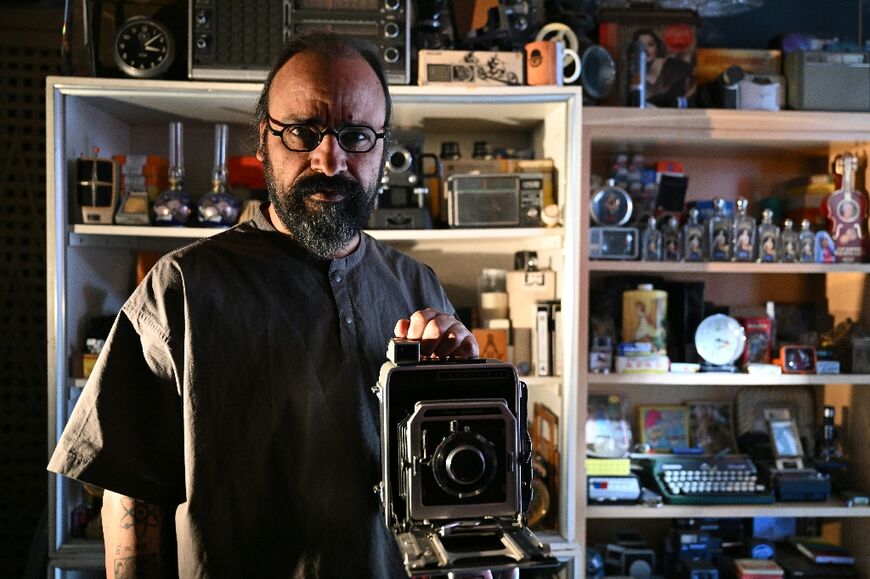
Elsewhere in Damascus, his cameras and crew now fill offices at the former military intelligence facility known as Palestine Branch, where detainees once underwent interrogation so brutal that some never came out alive.
"Palestine Branch was one of the pillars of the security apparatus -- just mentioning its name caused terror," Abdul Aziz said of the facility, known for torture and abuse.
Outside among charred vehicles, explosions and other special effects, the team was recreating a scene depicting "the release of detainees when the security services collapsed", he said.
Thousands of detainees were freed when jails were thrown open as Assad fell last year, and desperate Syrians converged on the facilities in search of loved ones who disappeared into the prison system, thousands of whom are still missing.
Assad's luxurious, high-security residence, which was stormed and looted after he fled to Russia, is also part of the new series.
Abdul Aziz said he filmed a fight scene involving more than 150 people and gunfire in front of the residence in Damascus's upscale Malki district.
"This was impossible to do before," he said.
- 'Fear' -
The series' scriptwriter Maan Sakbani, 35, expressed cautious relief that the days of full-blown censorship under Assad were over.
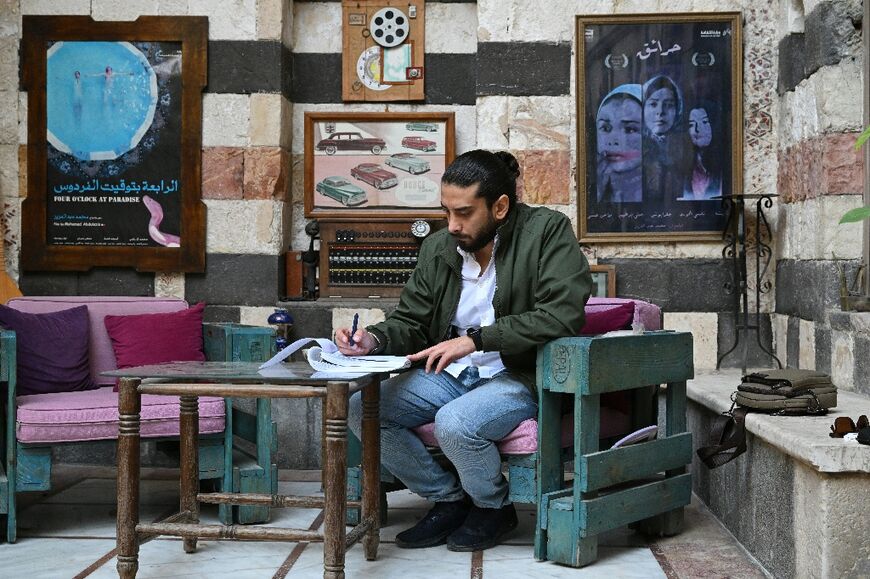
The new authorities' information ministry still reviews scripts but the censor's comments on "The King's Family" were very minor, he said from a traditional Damascene house where the team was discussing the order of scenes.
Sakbani said he was uncertain how long the relative freedom would last, and was waiting to see the reaction to the Ramadan productions once they were aired.
Several other series inspired by the Assad era are also planned for release at that time, including "Enemy Syrians", which depicts citizens living under the eyes of the security services.
Another, "Going Out to the Well", directed by Mohammed Lutfi and featuring several prominent Syrian actors, is about deadly prison riots in the infamous Saydnaya facility in 2008.
Rights group Amnesty International had called the facility a "human slaughterhouse".
"The show was written more than two years ago and we intended to film it before Assad's fall," Lutfi said.
But several actors feared the former authorities' reaction and they were unable to find a suitable location since filming in Syria was impossible.
Now, they plan to film on site.
"The new authorities welcomed the project and provided extensive logistical support and facilities for filming inside Saydnaya prison," Lutfi said.
As a result, it will be possible "to convey the prisoners' suffering and the regime's practices -- from the inside the actual location", he said.
This one's on us.
The story doesn't end here.
Our correspondents are already on the next chapter. Read everything they file, from $2/week.
See Offers