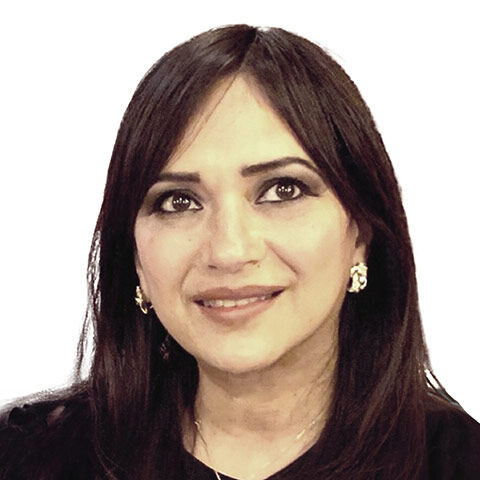
The head of Turkey's National Intelligence Organization, Ibrahim Kalin, has arrived in Damascus for talks with Syrian President Ahmed al-Sharaa, the state-run Anadolu News Agency reported on Wednesday.
The meeting was expected to address bilateral and regional security issues, Anadolu said, citing unnamed security sources.
Why it matters: Kalin’s trip coincided with a planned meeting between Israeli Strategic Affairs Minister Ron Dermer and Syrian Foreign Minister Asaad al-Shibani in London to discuss security arrangements for a third round of US-mediated negotiations, according to Axios. The United States’ special envoy for Syria, Tom Barrack, was expected to take part in the discussions.
Israel is said to have conveyed a detailed blueprint for a new buffer zone, including a map from southwest Damascus leading to the Israeli border that would be declared a no-fly zone, Axios reported. The purpose would be, among other things, to provide Israel with an aerial corridor through which it can attack Iran, according to the Axios report that has not been officially confirmed.
Last week, Sharaa confirmed that Damascus has been in talks with Israel over a possible new security arrangement. Shibani was last known to have met Dermer in Paris in August, together with Barrack.
For Turkey, one of the most alarming aspects of the alleged proposal is the division of Syria into three zones, each apparently requiring Israel’s approval for the types of regime forces and weapons allowed.
Turkey remains on edge since Israel’s intervention in support of the Druze in Suwayda in June. Israel struck Syrian tanks and forces advancing on Druze areas after clashes between Druze militias and Bedouin tribes spiraled. The Druze majority area has since effectively become a de facto Israeli protectorate, with local Druze — led by chief Druze religious leader Hikmat al-Hijri — calling for full-fledged autonomy from Damascus.
Emboldened by those events, Syria’s Kurds are refusing to integrate their bureaucratic and armed forces with the central government in Damascus, as envisioned in the March 10 accord signed between Sharaa and the commander in chief of the Kurdish-led Syrian Democratic Forces, Mazlum Kobane. The Kurds insist they will not relinquish their weapons unless Damascus agrees to a decentralized model of governance that would keep their current status more or less intact.
What to watch: Turkey is firmly opposed to constitutionally enshrined autonomy for the Kurds, fearing that this would stoke separatist feelings among its own Kurds. It continues to threaten military action against the SDF and has been pressing Sharaa to move against the Kurds as well. However, Sharaa is unwilling to open a new front in the country’s northeast when he has yet to secure his grip elsewhere in the country. He also does not want to antagonize the United States, where congressional support for the Kurds is strong.
Barrack, who initially parroted Ankara’s rejection of self-rule for the Kurds or other minorities, has shifted his rhetoric since the bloodshed in Suwayda that is thought to have claimed more than 2,000 Druze lives. This in turn has refueled Turkish distrust of US motives in Syria and its possible support for a rapprochement between Israel and the Kurds.
What’s next: Turkey’s ongoing initiative to bring a definitive end to a 40-year Kurdish insurgency by Kurdistan Workers Party (PKK) rebels — who are closely linked to the SDF — further complicates matters.
The PKK announced in May that it had ended its campaign in response to orders from its imprisoned leader, Abdullah Ocalan, to do so. However, Ocalan has not gone along with Ankara’s other demand, which is to tell the SDF to disarm and disband. To the contrary, Ocalan has called on Arab tribes in areas under the SDF’s control to continue to support the SDF. In a statement relayed through his lawyers last week, Ocalan stressed the importance of autonomy, saying, “All people must be equal, free, live together and govern themselves. Equality and justice must be built on this foundation. Kurds and Arabs should live together,” according to Turkish media.
The looming question now is whether Turkey will adapt to the new dynamics and cooperate with the Kurds rather than confront them or revert to its failed policy of suppressing them violently.