



'One road to Damascus': Syria's Kurds recoil as US envoy urges deal with Sharaa
Tom Barrack’s call for Kurdish integration under a central Syrian government reflects a shift in US policy, drawing concern from Kurdish leaders about their future autonomy.
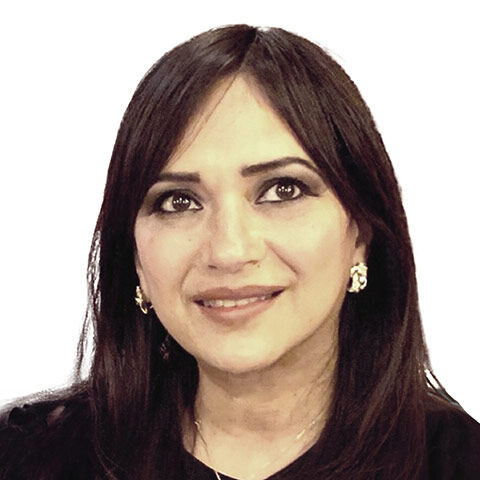

Tom Barrack, the Trump administration’s Syria envoy, is facing a backlash from Syria’s Kurds over his dismissive remarks about their aspirations for self-rule. The shift in tone appears to signal Washington’s growing preference for ties with the central government in Damascus since the fall of the Assad regime last December over its longstanding partnership with the Kurdish-led Syrian Democratic Forces, the Pentagon’s top ally in the fight against the Islamic State.
Using tough language in a series of interviews, Barrack made it clear that the United States supports Syrian interim President Ahmed al-Sharaa’s vision for a unified, centrally governed state. Federalism in Syria “doesn’t work,” he told the Iraqi Kurdish outlet Rudaw in a July 10 interview. “You can’t have independent non-national states within a nation,” Barrack explained, saying that the SDF needed to “speed things up” for an accord with the central government. He added, “There is only one road, and that road is to Damascus.”
The envoy’s remarks followed his first face-to-face meeting with the SDF commander-in-chief, Mazlum Kobane, in Damascus on July 9. He had come hoping to make a breakthrough in the Kurds’ ongoing integration talks with Syria’s interim government led by Sharaa, a former jihadist who now assiduously courts Western governments.
Barrack’s words triggered a firestorm on social media, with pro-SDF accounts posting memes depicting the envoy as the grim reaper and clamoring for his resignation. Some 35 political parties operating in the Kurdish-governed region and spanning the ideological spectrum issued a joint statement noting that Barrack’s comments "contradict his role as a mediator to bridge viewpoints and are inconsistent with the positive role played by the United States in achieving security and stability in Syria."


