



Squeezed between Turkey and Sharaa, Syria's Kurds face stark choices
Syria’s Kurds risk losing autonomy amid Turkish opposition and uncertain US backing.
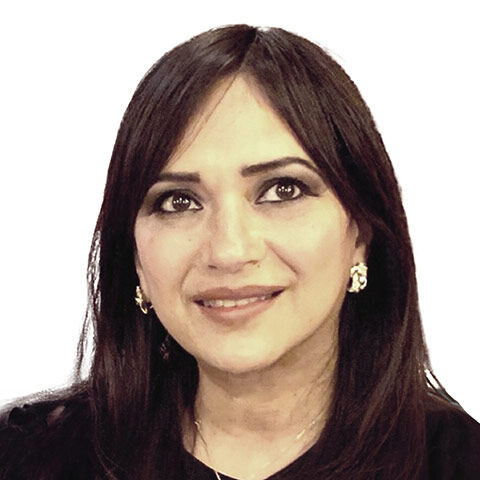

PARIS/DAMASCUS — Syria’s interim president, Ahmed al-Sharaa, announced Wednesday the creation of a seven-member committee to prepare for a National Dialogue Conference. The conference aims to establish "an inclusive transitional government representing Syria’s diversity," with free and fair elections planned within three years.
The committee’s makeup bodes ill for Sharaa's pledge to form an inclusive government. All but one of its five male members are from Sharaa’s group, al-Qaeda offshoot Hayat Tahrir al Sham. The inclusion of two women, one of them Christian, was to allay Western concerns over Sharaa’s radical Islamist past.
Alawites, Druze and — most critically — the Kurds, who control a third of Syria and the bulk of its energy resources, were left out. And without Kurdish buy-in, Sharaa will struggle to consolidate power, reunite Syria and rebuild the war-torn country. The Kurds hold the key to Sharaa’s future,” a foreign diplomat in Damascus observed. What is holding him back?
“You should ask the Sultan,” Saleh Muslim, a senior figure in the self-declared Democratic Autonomous Administration in North and East Syria (DAANES) that runs the Kurdish-led zone, told Al-Monitor. Muslim was alluding to Turkish President Recep Tayyip Erdogan.


