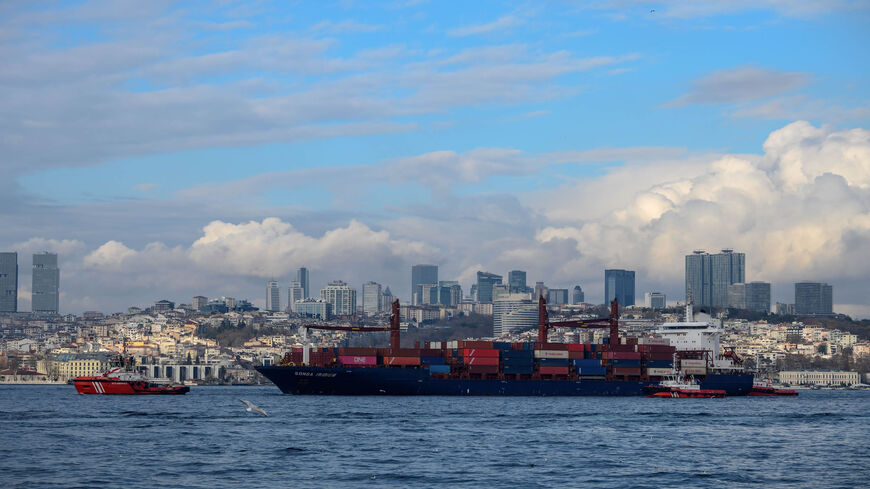
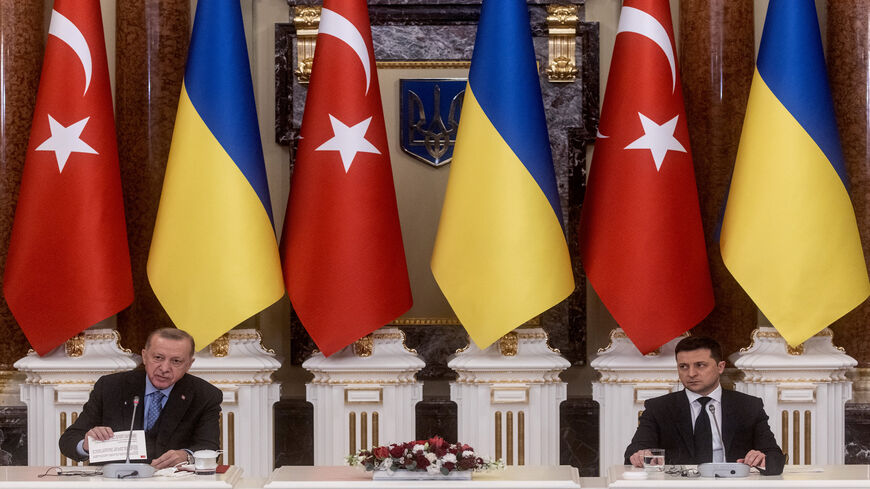
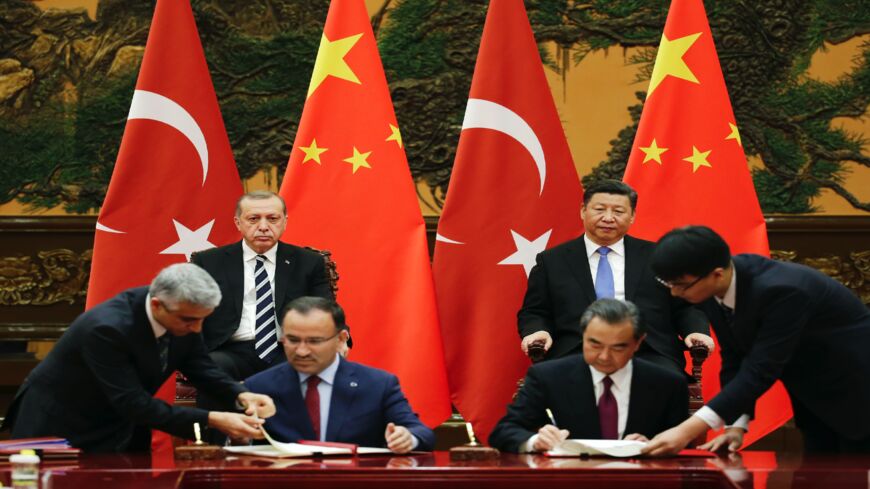
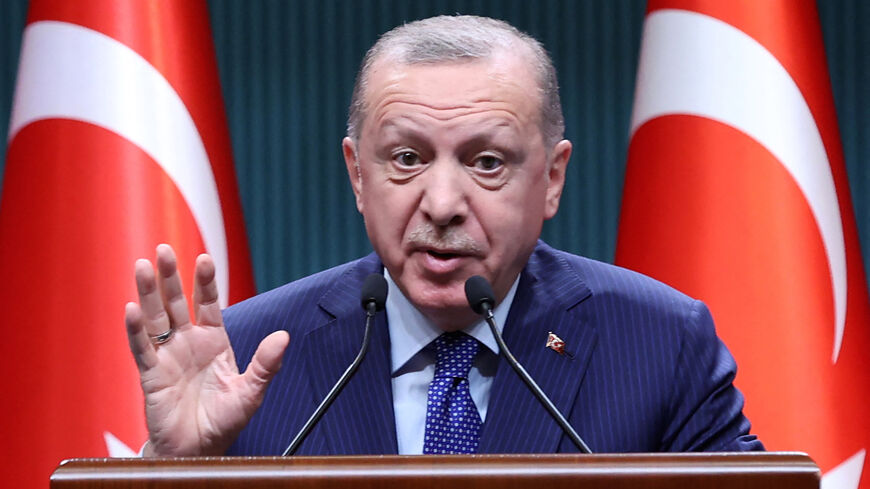
A debate on whether Ankara could scrap a key treaty regulating traffic through the Turkish Straits has been mired in a fresh “coup” clamor in Turkey’s domestic politics, but the issue has far-reaching international implications at a time when the United States and NATO are throwing their weight behind Ukraine in rising tensions with Russia.
On April 4, 104 retired Turkish admirals found themselves under fire for tacitly threatening a coup after they issued an open letter expressing concern over suggestions that Ankara could ditch the 1936 Montreux Convention amid government plans to build an artificial waterway parallel to the Bosporus Strait, which, along with the Dardanelles, forms the link between the Black Sea and the Mediterranean Sea. Though the coup accusations hijacked the debate, the apprehension of top navy officers, whose careers basically rested on the convention, could hardly be dismissed.
Turkish officialdom has firmly upheld the Montreux Convention over the decades as a document that asserts Turkey’s control of the straits, shields the Black Sea from international conflict and gives Turkey a strong hand in balancing Russia and the West. Under the Justice and Development Party, however, this vision has come to erode, especially since President Recep Tayyip Erdogan announced the Canal Istanbul project in 2011.
The United States has often wooed Turkey to flout the convention as it restricts the transit of military ships, with the tightest rules applying to non-Black Sea countries. During the Cold War, the convention precluded US attempts to deploy aircraft carriers, submarines and heavy-tonnage ships in the Black Sea to keep the Soviet Union under pressure. In 2008, Turkey denied permission to large US military vessels to enter the Black Sea, citing the convention, following Russia’s military intervention against Georgia in the South Ossetia conflict. Turkey’s then-President Abdullah Gul would later recount that he told US officials, “The presence of the fleets of two great powers in a small sea like the Black Sea would be dangerous. You’ll realize this in time.” To placate its NATO ally, Turkey stressed that the Montreux Convention was at the same time keeping the Russians from building up a large military presence in the Mediterranean via the Turkish straits, Gul said. According to the former president, the Americans later conceded Ankara was right, but they apparently stuck to their ambitions.
AL-MONITOR All-Access gives you unlimited access to all our journalism, the full Daily Briefing, exclusive interviews, premium newsletters, and live events — for less than $2/week.