



Tunisians hang on to shashiyyas despite modern alternatives
Despite globalization and more affordable modern clothes, Tunisians still love to don a jebba or sefsari on special occasions.

Despite modernization, Tunisian society remains loyal to its folk customs and traditions, especially those related to costumes and public appearance. As part of this, March has been designated the month of traditional Tunisian attire, and many Tunisians celebrate March 16, the National Day of Traditional Dress, by donning traditional clothing. Here is what they can chose from:
Kadroun and burnous
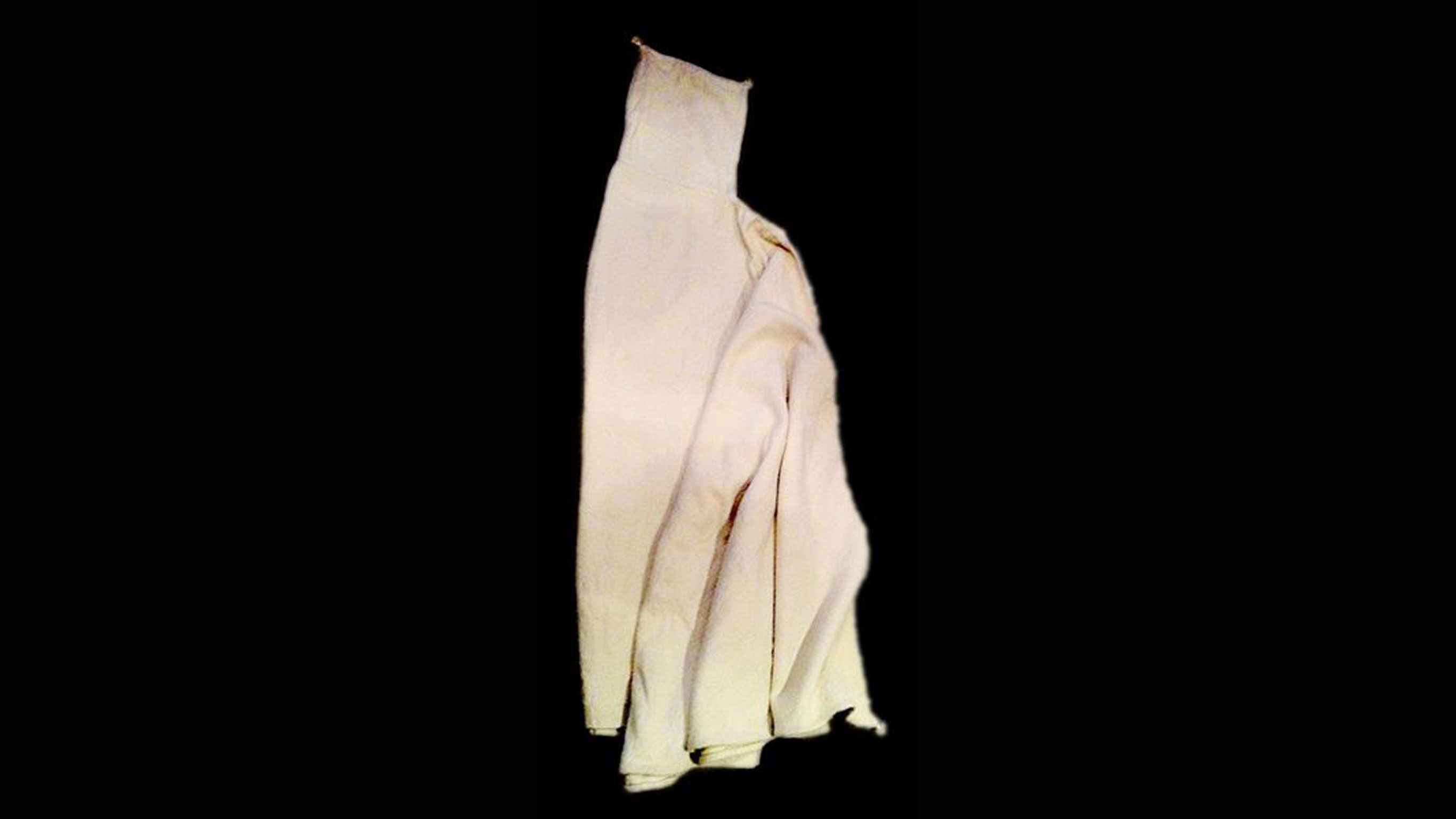
This traditional piece of clothing is popular among Tunisians, especially the elderly, and is mainly made of wool in winter. The burnous is a long open front coat without sleeves that is worn with a headdress. This garment, which dates back to the Amazighs, or Berbers, who are the indigenous people of North Africa, is still considered fashionable by many and continues to be worn by Tunisians particularly in the coastal areas in the south and northwest. The kadroun is also made of wool; however, it is shorter and has sleeves. Over the years, its traditional brown color has been exchanged for brighter colors that make it more attractive for the younger generation.



