



Israeli think tank's diplomatic plan signals left while turning right
The diplomatic framework presented by Israel's top security studies institute plays into the hands of those working to keep the status quo rather than enter real negotiations with the Palestinians.
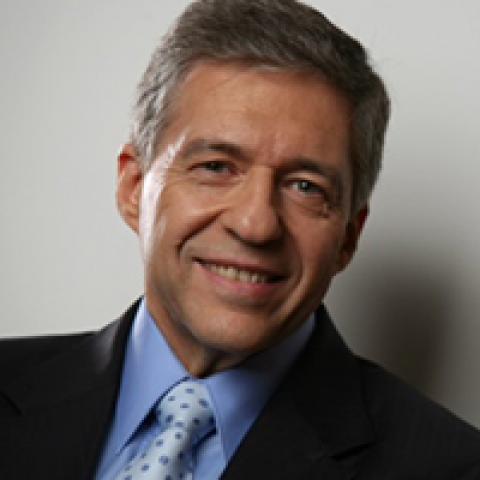

The Institute for National Security Studies (INSS) is considered the most important of its kind in Israel. Headed by Maj. Gen. Amos Yadlin (ret.), a former head of Military Intelligence, its researchers include retired senior military officers as well as former top diplomats and academics. Though it is considered to lean center-left because of the political orientation of its leadership (Yadlin was the Zionist Camp’s candidate for minister of defense in the 2015 election), even people aligned with the far-right attend INSS conferences, which receive considerable media attention.
On Oct. 2, the INSS published “A Strategic Outline for the Israeli-Palestinian Arena” and promoted it widely. The plan, composed and edited over two years by Yadlin, Udi Dekel and Kim Lavi, proposes diplomatic measures for peace.
I was eager to read the proposal and hoped to find new ideas in it. There were none. It did remind me of a story that was told in the 1960s about how Yugoslav leader Josip Broz Tito distanced himself from communism: Three cars, traveling together in a convoy, reached a fork in the road. The first car, driven by Nikita Khrushchev, signaled left and turned left. The second car, driven by John F. Kennedy, signaled right and turned right. Then the third car, driven by Tito, signaled left and turned right.
It seems to me as if the authors of this proposal are also signaling left and turning right. They speak in terms of the Clinton Parameters of 2000 and the informal Geneva Initiative of 2003 (the author was one of its authors), conclude that it would be impossible to reach a permanent solution at this time and suggest a plan that would bolster the status quo, which they themselves consider extremely risky.


