



Upper Egypt villagers don't exist on paper
Many Upper Egyptian villagers are invisible to the government after generations of births and marriages without official paperwork, leaving them uncounted and without services.
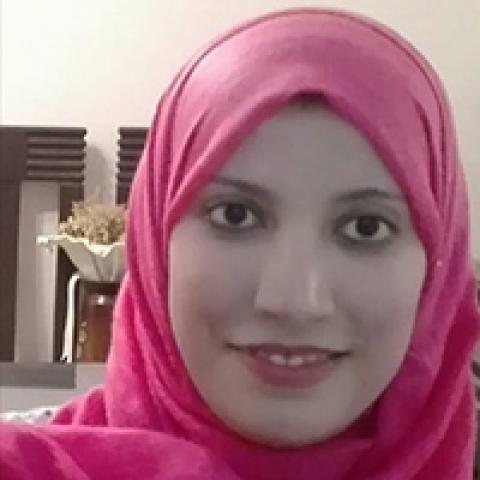

When 17-year old Hania recently got married in the remote village of Naga'a Wanas in the Upper Egyptian governorate of Aswan, the union was marked only by the presence of the couple's families and a marriage announcement over the loudspeakers of the village mosques.
The inhabitants of this marginalized village cannot register their marriages, nor can they marry anyone from outside the village for a very simple reason: Most of them do not have identity cards, which means they also do not have access to education and other services.
In the far north of Aswan, Naga'a Wanas is virtually on its own, and most of its inhabitants live on farming and raising livestock.
This village is just one example of many of the villages in Upper Egypt whose residents exist beyond the reach of government services and the mainstream life of the country. As a result, they have created their own private world governed by their own rules.


