



Rafsanjani's son favorite in battle for Tehran mayorship
Debate about who will succeed outgoing conservative Tehran Mayor Mohammad Bagher Ghalibaf has reached a fever pitch as the son of a former president emerges as the most likely candidate.
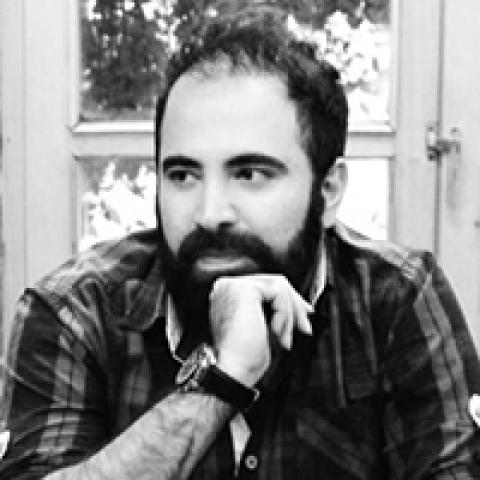

TEHRAN — Iranian Reformists are now faced with the desirable, but highly contentious challenge of electing a new mayor of Tehran following sweeping victories in May 19 city council and village elections. Even the Reformists themselves did not expect to gain control of every council seat in the capital. Their decisive victory, however, has brought to the fore serious internal differences over whom to select as the next mayor. At present, Mohsen Hashemi Rafsanjani, son of the late President Ali Akbar Hashemi Rafsanjani, seems to be the most likely candidate for the job.
Prior to the council elections, the Reformists had released a unified list of candidates. The move met with strong criticism from the outset, with some questioning why certain individuals were on the ticket while others were not and others speculating whether selections had been based on connections rather than merit. Indeed, few expected the Reformists to do as well as they did, especially considering these suspicions as well as the spread of fake candidate lists in the days leading up the May 19 polling. These bogus lists had the same design and graphics as the Reformists' List of Hope, and while they had pictures of Rafsanjani and fellow Reformist politician Ahmad Masjed-Jame’i at the top, the candidate names were different and, oddly, were those of Reformists who had not made the official list and rival Principlists.
When election results were announced May 21, it emerged that the List of Hope had not only won all 21 seats on the Tehran city council, but there was also a 400,000-vote difference between the last person on the Reformist ticket and the leading Principlist, who came in 22nd.
Immediately after announcement of the voting results, the challenge of selecting a candidate for mayor began. Hashemi soon emerged as the main focus. Four years ago, in September 2013, he had come close to winning the mayorship, receiving the same number of votes as the current mayor, Mohammad Bagher Ghalibaf, in council polling. The election therefore went to a second round, which Hashemi then lost by two votes, allowing Ghalibaf to retain the position. This year, as rumors of Hashemi's possibly becoming mayor began to circulate, some Reformist media outlets immediately took an opposing position.


