



Ocalan extends hand to Armenians
Abdullah Ocalan, head of the Kurdistan Workers Party (PKK), has written a letter that seems to turn a new page in the bitter Armenian-Kurdish relationship.
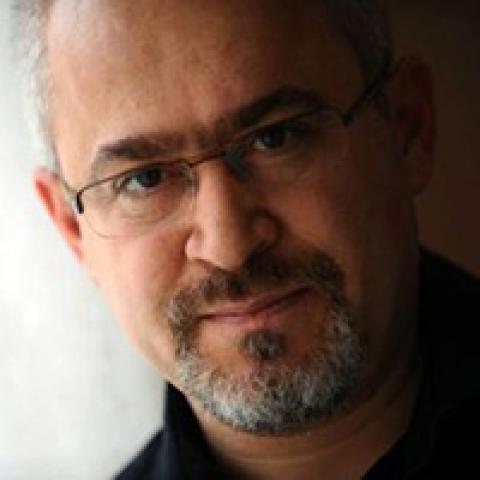

Although important figures of the Kurdish movement such as Osman Baydemir and Altan Tan make statements from time to time addressing the Armenian genocide and extending a hand to Armenians, remarks by Abdullah Ocalan last year create questions about how the Kurds view the Armenian issue.
In one statement, Ocalan said, "There are three-pronged parallel state schemes in Turkey. These are sabotaging relations. They are not run-of-the-mill lobbies. Jewish, Armenian and Greek lobbies in the United States are interfering strategically and tactically. All three originate from Anatolia.”
Although these words irritated Armenians and non-Muslims living in Turkey, they did not erupt into a major debate.
But on Jan. 9, 2013, after the assassination of three Kurdish women in Paris, Bese Hozat, a leader of the Union of Kurdish Communities, expanded on Ocalan’s remarks in harsher tones and led to furious reactions. In an interview with Argos Jan. 13, Hozat said, “In Turkey, in addition to the official state, there are parallel states. For example, the Gulen movement is a parallel state. The Israeli lobby, nationalist Armenians and Greek lobbies are parallel states. These parallel states have serious common interests that they share.” These words caused anger among the non-Muslims in Turkey, particularly Armenians.


