



Iran deal expected to slow Palestinian-Israeli talks
The breakthrough in Iran's nuclear talks may prompt Israel to drag its feet in its own US-sponsored talks with the Palestinians.
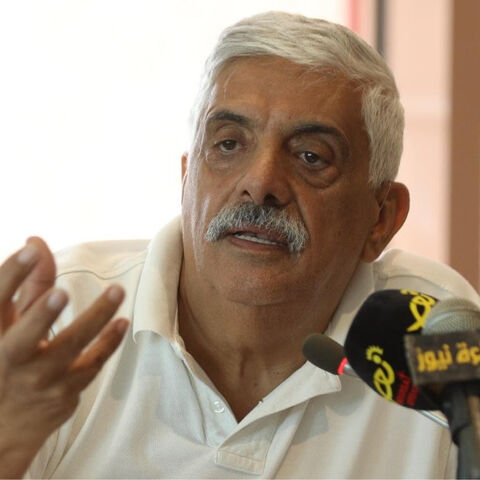

After the signing of a breakthrough agreement between the world community and Iran, the question on Palestinian lips now is how this affects the Palestinian cause and specifically the current Palestinian-Israeli talks. On the surface, the questions seem strange as there is no direct relationship between the Iranian nuclear file and the Palestinian issue. But in reality the signing of the agreement, especially in light of Israel’s public opposition to it, puts Israel’s relationship with its biggest ally, the United States, in a difficult situation.
Washington’s apparent unwillingness to take Israel’s public opposition to the Iran deal into consideration puts a major question mark on future relations between the United States and Israel.
Israel’s criticism of the White House could go in at least two opposing directions. The United States can use the success of this unprecedented international consensus and move in a more aggressive direction to press Israel to make serious concession in the peace talks. It might also be more willing to put forward new ideas for solving the Palestinian-Israeli conflict.
One recent personnel decision — as first revealed by Al-Monitor’s Laura Rozen — can give an indication of Washington’s interest in putting forward a plan for solving the conflict. Martin Indyk had recently hired Israel-American dual national David Makovsky, who had prepared maps that illustrate how a two-state solution can actually be implemented on the ground.


