



West Bank Seeing New Wave Of Anti-Israel Violence
Palestinian anger is soaring following the cancer death of a prisoner in Israeli custody and the killing of a protester in Tulkarem, reports Daoud Kuttab.
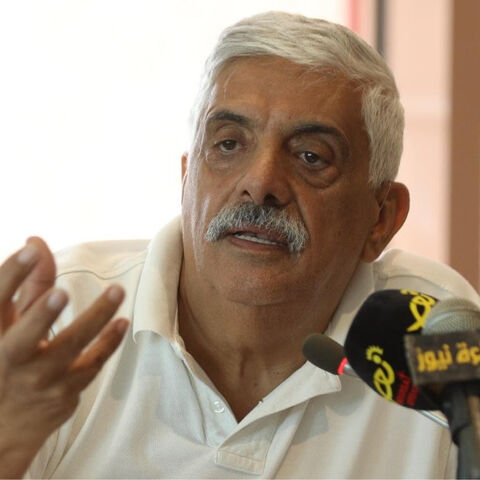

The death of Maysara Abu Hamdieh is not the first time a Palestinian prisoner has passed away while behind bars. Less than two months earlier, 30-year-old Arafat Jaradat died while being held in the Megiddo prison. However, the circumstances of the death of Abu Hamdieh, 64, touched a nerve. The fact that he was suffering from an advanced stage of throat cancer and left to die without any serious treatment reflected the sort of mercilessness that incites the anger of an entire nation.
This Palestinian anger is not limited to the lack of medical care in prisons. It comes at a time when a number of prisoners have been on hunger strike for a long period without any response from the Israelis. The lack of response to the strike by prisoners like Samer Issawi, who is being held without trial or charge, has captured the imagination of many inside and outside of Palestine.
Despite attempts by US President Barack Obama and his Secretary of State John Kerry, who is due in the region Saturday, April 6, Palestinian faith in the peace process is at an all-time low. One reason for the scarcity of optimism is the very political environment that exists in Israeli-Palestinian relations. A peace process is not simply what political leaders do or say in multilateral meetings, but what is happening on the ground. And on the ground in Palestine today, there isn’t even an attempt to prepare the environment for any future peace talks.
Traditionally, occupiers try to lessen hatred and anger against them by loosening up some of their restrictions on the people under control. Not in the occupied Palestinian areas. The Gaza siege has not relaxed despite the "technical" apology given to the Turkish prime minister. Palestinian access to Area C, which has been expected, requested and hoped for by Europe and the US, has not been granted.


