China seizes on diplomatic opening in Middle East
A shifting regional landscape has opened space for Beijing to take on a larger diplomatic role, but its close ties with Tehran and interests across the Gulf may limit its influence.

Hi readers,
China has stepped up its engagement across the Middle East, with senior officials meeting Iranian, Saudi and Omani counterparts in Beijing and special envoy Zhai Jun making a regional tour this week.
A shifting regional landscape has opened space for Beijing to take on a larger diplomatic role, but its close ties with Tehran and interests across the Gulf may limit its influence. This week, we look at China’s ambitions in the region and how its diplomatic push could figure into next week’s Trump-Xi summit.
Rosaleen (@roscarroll_)
Leading this week
A flurry of diplomatic activity
📍 Beijing: The diplomatic push began in Beijing on Nov. 2, when Wang Yi met separately with Ali Bagheri Kani, deputy secretary of Iran's Supreme National Security Council, and Musaed bin Mohammed Al-Aiban, Saudi Arabia's national security adviser. It was not immediately clear whether the Iranian and Saudi officials had any contact with each other during their visits to Beijing.
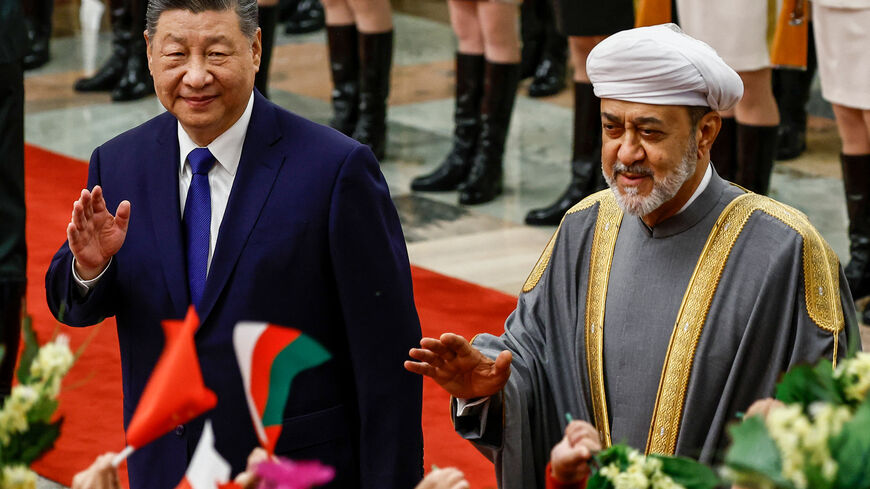
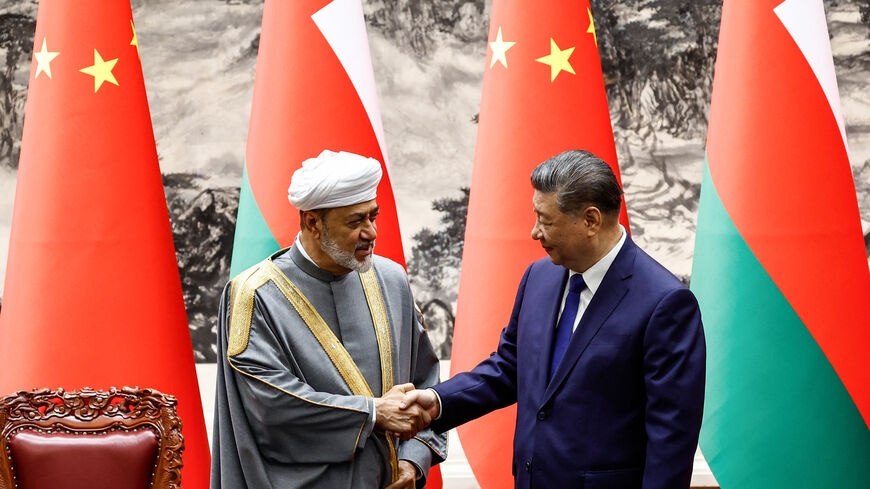
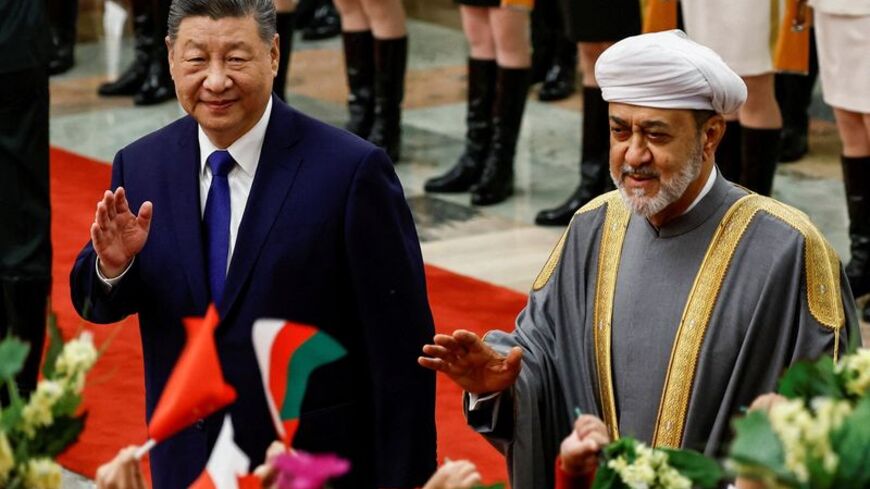
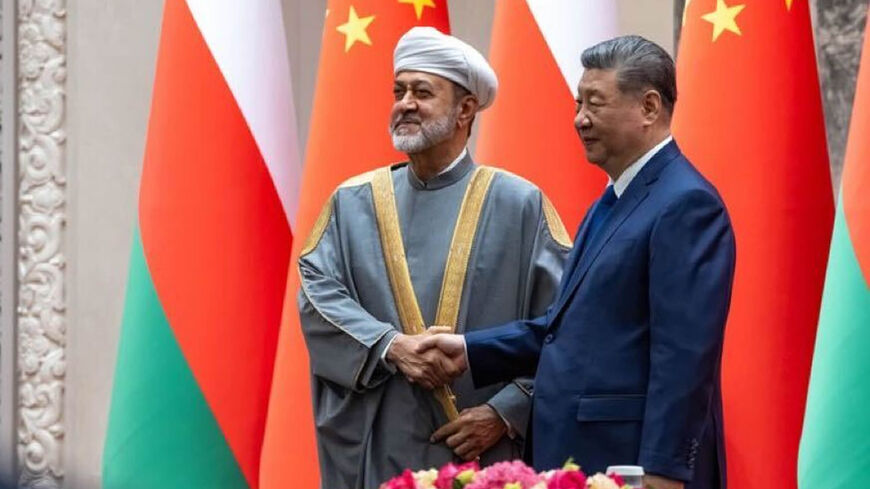
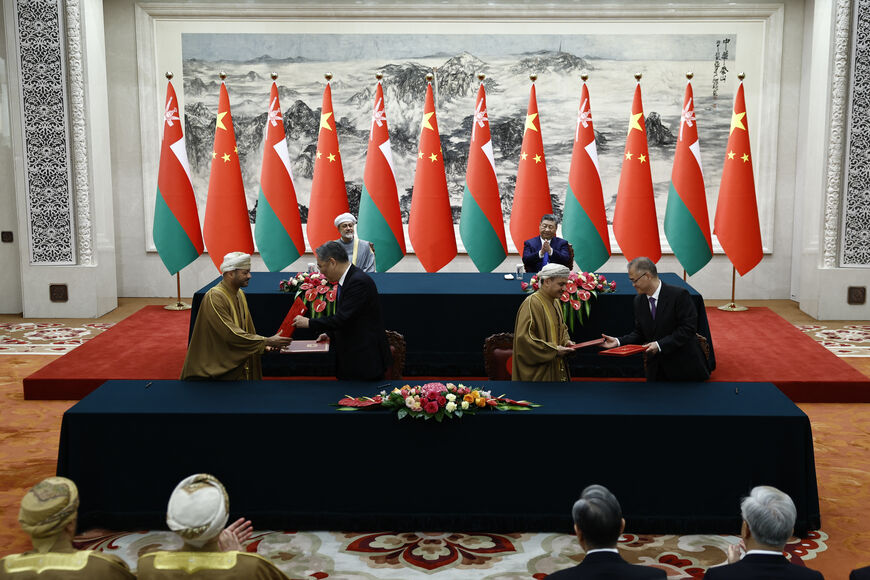
That same day, Chinese President Xi Jinping held talks with Oman's Sultan Haitham bin Tariq Al Said, who was making a state visit to China from Nov. 1–2. The visit was the first by an Omani sultan to China since the two countries established diplomatic relations in 1978.
That activity has continued this week, with China’s special envoy to the region visiting Iran, Oman and Saudi Arabia. Ahead of the trip, Chinese Foreign Ministry spokesperson Mao Ning said the visit was meant to encourage dialogue and ease tensions.
📍 Tehran: Zhai arrived in Iran on Nov. 8, where he held separate meetings with Bagheri Kani, deputy secretary of Iran's Supreme National Security Council, Deputy Foreign Minister for Political Affairs Majid Takht-Ravanchi and Mohammad Alibek, an aide to the foreign minister.
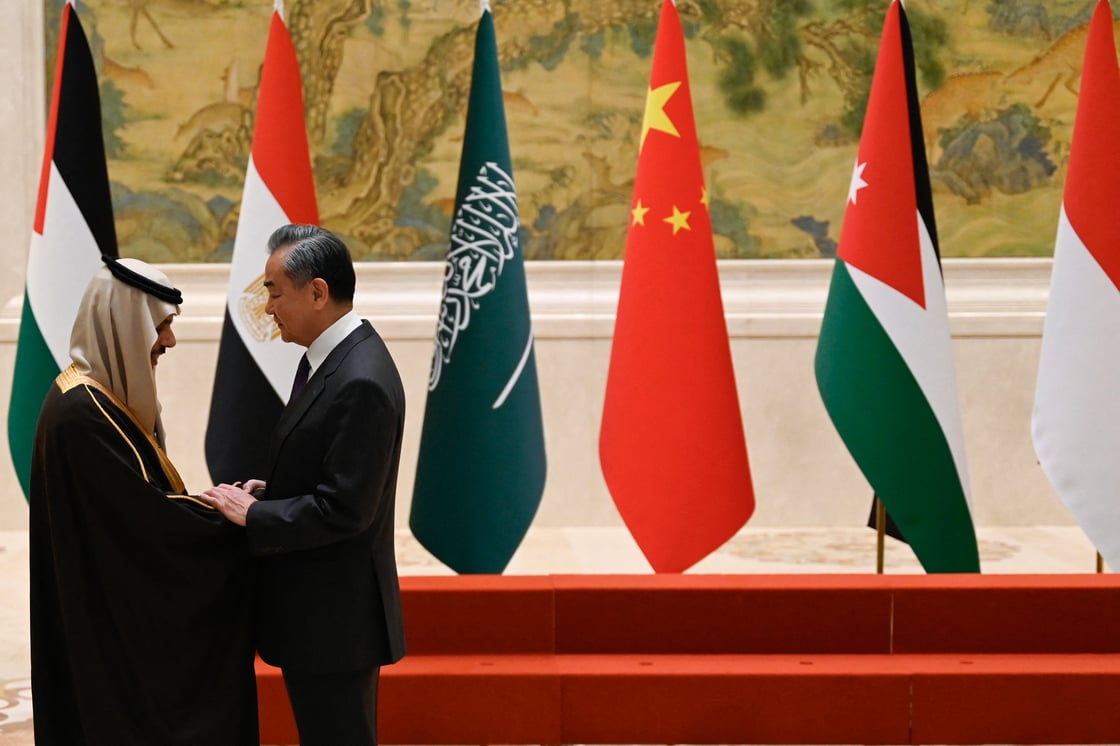
China’s Foreign Minister Wang Yi (R) shakes hands with Saudi Arabia’s Foreign Minister Prince Faisal bin Farhan Al-Saud at the Diaoyutai State Guest House in Beijing on November 20, 2023. (PEDRO PARDO/AFP via Getty Images)
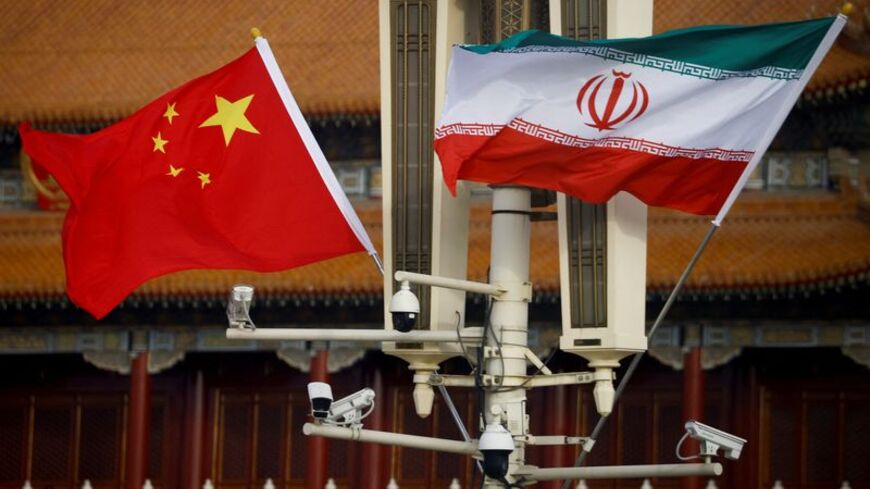
Following that visit, Iranian Parliament Speaker Mohammad Bagher Ghalibaf — who also serves as Iran's special representative for China affairs — published an article on his official website Tuesday marking the 55th anniversary of diplomatic relations between Iran and China. In his article, he wrote that China will play a role in ending the current “neither war nor peace” status between Iran and the US.
Ghalibaf noted that the situation in the region “has changed after the war” and that China has a “prominent” position in that post-war situation.
📍 Muscat: Following his meetings in Iran, Zhai traveled to Oman, where he met with Omani Foreign Minister Sayyid Badr bin Hamad Al Busaidi.
According to Chinese state broadcaster CGTN, Zhai called for “joint efforts with Oman and other parties to help restore peace and stability in the Middle East and Gulf region.”
Saudi Arabia is the third stop on Zhai's announced itinerary. As of this writing, China had not publicly confirmed the timing of that leg or released details of any meetings.
Why now?
Henry Tugendhat, a senior fellow at the Washington Institute for Near East Policy, told Al-Monitor that shifting regional dynamics have created an opening for Beijing. In the early months of the conflict between the US, Israel and Iran, Pakistan initially emerged as a key intermediary in the region.
But Pakistan's position has become more complicated as the conflict has spread to involve Saudi Arabia and the Houthis, and Islamabad has deepened its security commitments to Riyadh, creating space for Beijing to present itself as an interlocutor with ties to both Iran and the Gulf states.
That does not mean China is poised to mediate between Washington and Tehran or to shift the course of the US-Iran conflict. Any potential diplomatic role for Beijing is more likely to focus on regional relationships, particularly between Iran, the Houthis and Gulf states. Even there, Beijing’s own interests could complicate its ability to act as an intermediary, Tugendhat said.
“China is facilitating the Houthis because it wants carve-outs for its own shipping interests, it is backstopping the entire Iranian economy with its purchases of Iranian oil and, of course, its exports of dual-use technologies,” he said.
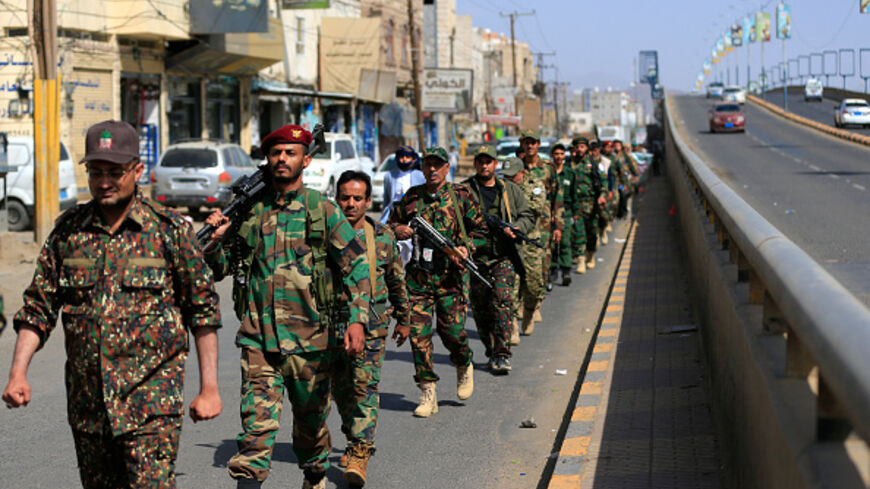
Last month, the Wall Street Journal reported that the Houthis had obtained components from a Chinese supplier to produce their own version of Iran’s Kheibar Shekan medium-range ballistic missile, citing a report by Conflict Armament Research. In July, China held direct talks with the Houthis to secure safe passage for its tankers through the Red Sea, Reuters reported. These ties could undermine Beijing’s credibility with Gulf states, particularly Saudi Arabia, which continues to be pummeled by the Iran-backed group.
But still, Tugendhat said, “it is conceivable that China could play a role as something of a guarantor to any agreement that may be reached between Iran, Saudi Arabia, or Iran and Gulf states.” Such a role would likely not involve a commitment of Chinese military resources.
Trump-Xi summit
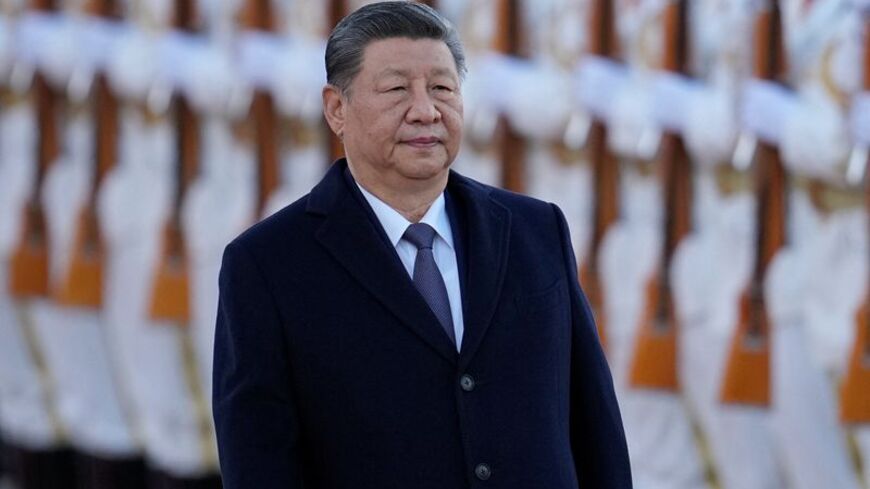
China’s diplomatic push in the region is unfolding ahead of a planned meeting between US President Donald Trump and Xi on the sidelines of the Asia-Pacific Economic Cooperation summit in Shenzhen on Nov. 18–19.
During a call Wednesday, Wang discussed the upcoming meeting with US Secretary of State Marco Rubio and said Beijing was “willing to strengthen communication and cooperation” with Washington, according to China's Foreign Ministry.
The extent to which Iran features in next week's talks remains unclear. Trump has publicly downplayed China's role in supporting Tehran, saying in October that he did not believe Beijing was helping Iran “at all.” However, the month prior, US Ambassador to China David Perdue said Trump had warned Xi “again” that any Chinese assistance to Iran was unacceptable during the two leaders' summit at the White House.
Even if Trump does broach the issue, there is little incentive for Beijing to fundamentally change its approach. China, on the one hand, wants to maintain the fragile detente it has negotiated with the Trump administration; it needs access to advanced semiconductors, export markets and wants to avoid further economic instability as it navigates domestic economic challenges.
At the same time, its relationship with Iran serves other strategic interests, including putting pressure on Washington and diverting US resources from China’s key foreign policy priorities in Taiwan and the South China Sea.
“Unless something really big was put on the table, say some major [US] concession on Taiwan, for example, I don't think China has much incentive to change its approach towards Iran, and equally, I don't think it's likely that any big concessions will come out on Taiwan from the US,” Tugendhat told Al-Monitor.
Photo of the week
Deals and travel ✈️
- China, Turkey sign preliminary agreement for up to $15 billion in wind, solar power plant investment
- Syria signs deal with China’s Wasion Group Limited to to supply 6.5 million electricity meters
- UAE, China launch smart transport center in Dubai
- China’s market regulator approves ByteDance’s sale of Moonton to Saudi Arabia’s Savvy Games Group
- UAE opens Chinese-Islamic heritage exhibit in Sharjah
- Chinese Vice President Han Zheng meets Turkish President Recep Tayyip Erdogan
- China’s atomic energy chief says willing to expand cooperation with GCC, ASEAN
- Cairo hosts China-Arab Forum on health cooperation
What we are reading
- Alice Huang’s tangled web of connections: Financial Times
- China’s trade surplus passes $1 trillion at record pace: The New York Times
This one's on us.
The story doesn't end here.
Our correspondents are already on the next chapter. Read everything they file, from $2/week.