How Syria is balancing public anger, regional stability after Jordan's strikes


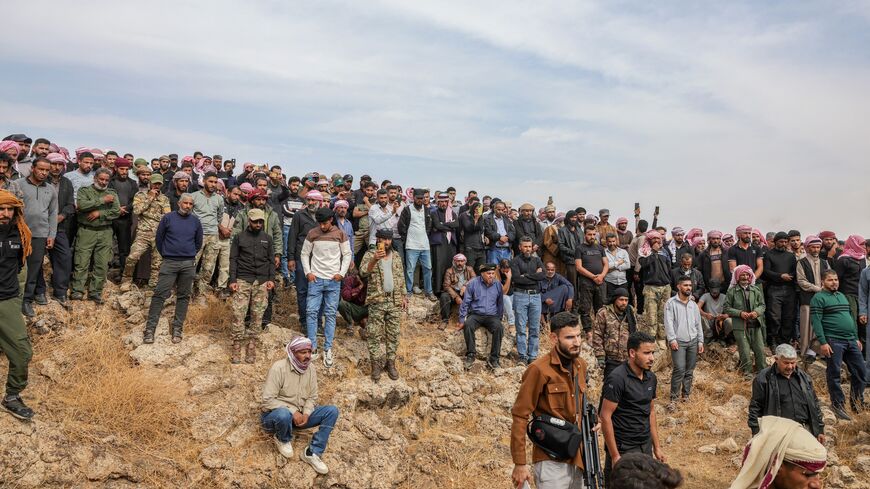
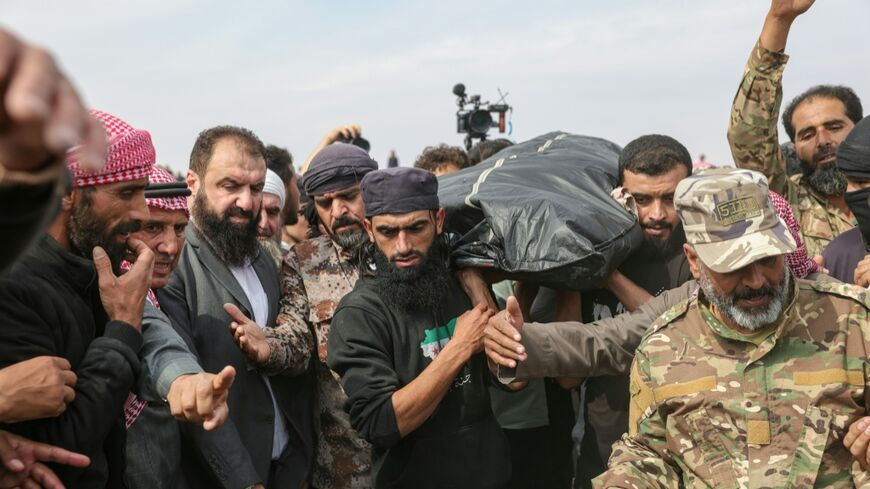
AMMAN — Syrian Foreign Minister Asaad al-Shaibani traveled to southern Syria on Thursday to pay his respects to the families of those killed in Jordanian airstrikes three days earlier.
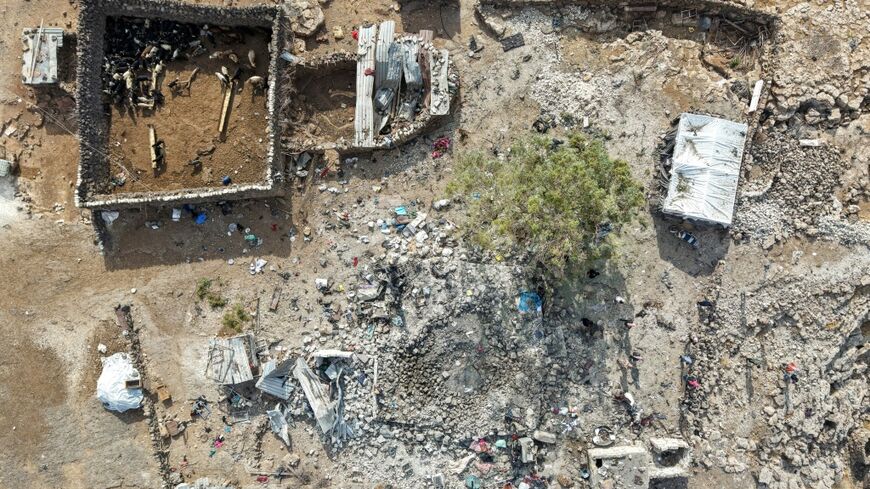
According to Syrian authorities, seven civilians, including women and children, were killed in the Daraa and Suwayda governorates. The names and photos of those killed were circulated online. Five of the victims were members of the same family, including three children.
Syria’s emergency services said they responded to attacks at four locations.
Jordanian officials, however, claimed that at least 20 Islamic State (IS) members were killed in the strikes in Syria, which they said were carried out “in retaliation” for a mass killing in Jordan’s Karak governorate days earlier. On Oct. 23, gunmen opened fire on a funeral procession at a church, killing nine people and injuring more than 30.