



Why Iran’s regime didn't break: The hidden networks behind its survival
Informal structures like religious networks, tribal groups and patronage ties have allowed Iran's state to weather prolonged strain and war.

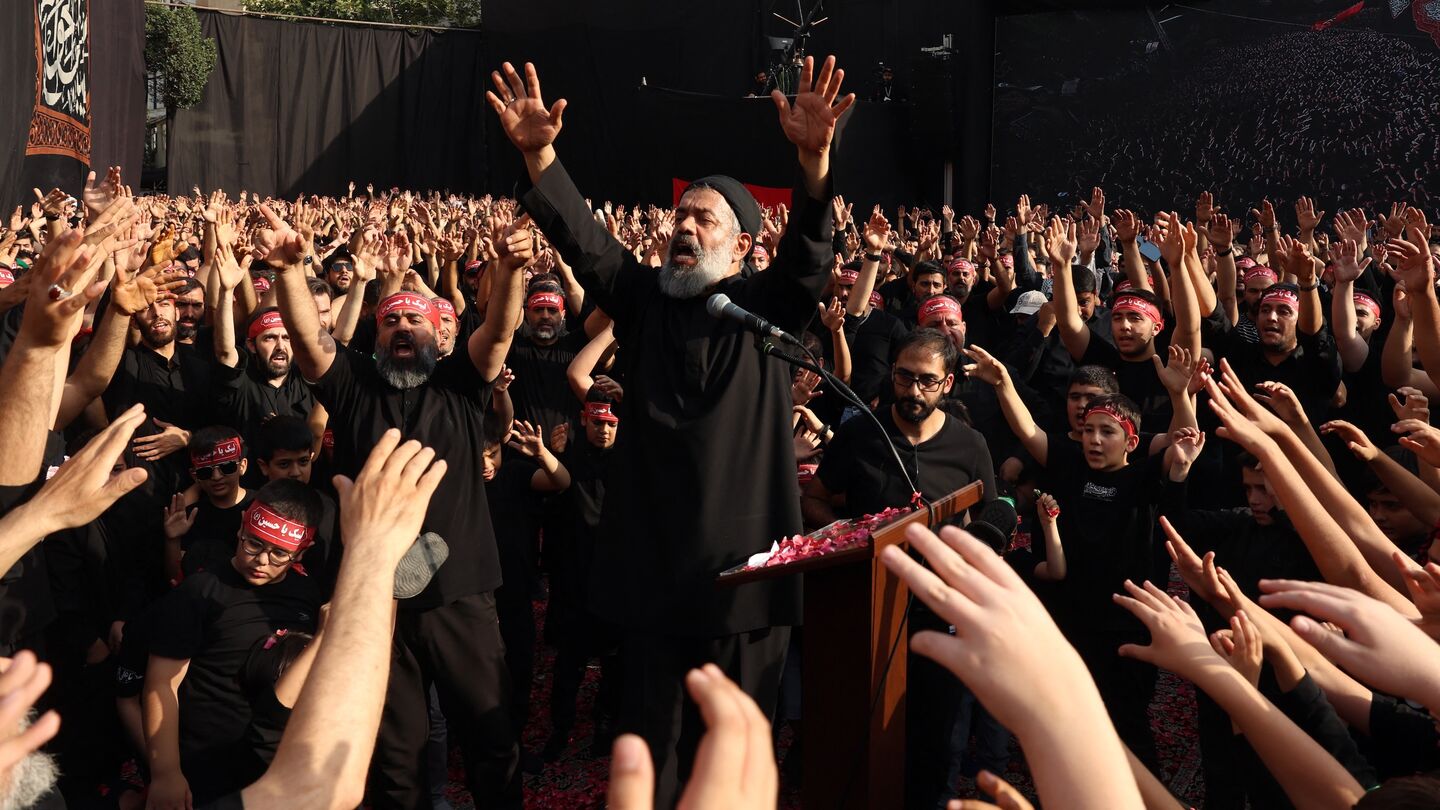
What Iran went through in the 12 months before February 2026 is best understood as a sequence of shocks that, taken together, would ordinarily be expected to break a state, but the system has continued to function, upheld by a web of social and economic networks that help redistribute pressure.
In June 2025, a 12-day war with Israel and the United States left Iran’s senior Revolutionary Guard command decimated. At the end of that year, the country experienced the largest uprising since the revolution itself. Protests spread across all 31 provinces. The US-based Human Rights Activists News Agency (HRANA) reported that more than 6,000 protesters were killed in the crackdown that followed, with thousands of additional cases under review; the Iranian government’s official figure stood at 3,117.
On Feb. 28, 2026, a third shock reached the level of the state’s highest leadership. Supreme Leader Ayatollah Ali Khamenei was killed, along with members of his family, in circumstances that the Islamic Republic’s own media would frame in the language of martyrdom. Senior commanders were killed, including Ali Larijani, one of the most consequential figures in postrevolutionary politics. Hundreds of security installations were struck.
Absorbing shocks


