



Pragmatism outweighs animosity as Syrian, Russian FMs bargain at Kremlin
Despite deep-rooted tensions and clashing interests, Syria’s interim leadership and Russia are finding common ground in a mutually beneficial bid to preserve influence and stability after Assad’s fall.
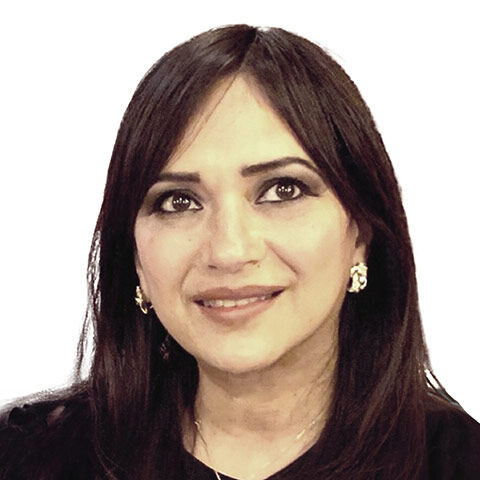

Syrian Foreign Minister Asaad al-Shibani met with his Russian counterpart, Sergey Lavrov, in Moscow on Thursday. The meeting marks the highest-level visit by a Syrian official to Russia since the fall of President Bashar al-Assad last December. The talks come amid US-led efforts to get the United Nations Security Council, of which Russia is a permanent member, to delist Hayat Tahrir al-Sham, the al-Qaeda offshoot that was led by Syria’s interim president, Ahmed al Sharaa.
The talks also follow weeks of violence pitting Syrian government forces and their Sunni Bedouin allies against the country’s Druze minority in the southern province of Suwayda. Over a thousand people died with government troops accused of perpetrating war crimes against Druze civilians. The clashes prompted Israeli intervention, forcing government troops into a humiliating withdrawal from Suwayda and leaving Sharaa looking weak and out of control.
Shibani said Syria wants Russia on its side and called for mutual respect between the two countries. “The current period is full of various challenges and threats, but it is also an opportunity to build a united and strong Syria. And of course, we are interested in having Russia on our side on this path,” Syria’s top diplomat told Lavrov according to a Russian translation of his comments prior to the talks, news agencies reported.
Lavrov repeated the Kremlin’s invitation to Sharaa to join the first Russia-Arab League summit that is scheduled to be held in Moscow on Oct. 15. Syria’s deposed dictator, Bashar al-Assad, who was armed and supported by Russia in his more than decade-long war against Sunni rebels, fled to Russia hours before Sharaa and his allies marched on Damascus in December. There is speculation that Syria will seek his extradition, but Russia is unlikely to hand him over, not least because it would besmirch its reputation among its other allies.


