



Syrian Kurd FM Ilham Ahmed says PKK leader Ocalan's words of 'vital importance'
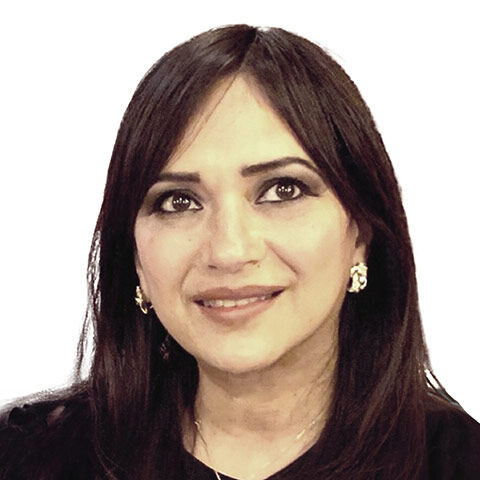
Ilham Ahmed, the de facto foreign minister of the Kurdish-led Autonomous Administration of North and East Syria, spoke to Al-Monitor about the latest developments in the region, including Turkey's new initiative to end its conflict with the outlawed PKK.

AL-HASAKAH, Syria — Turkey has embarked on a new initiative to end the 40-year conflict between the Turkish armed forces and the outlawed Kurdistan Workers Party (PKK). The first evidence of an overture came when Devlet Bahceli, leader of the far-right Nationalist Action Party, called on the PKK’s imprisoned leader, Abdullah Ocalan, to come to the Turkish parliament and order his men to end the conflict. Today, Bahceli said the largest pro-Kurdish party, DEM, should hold talks with Ocalan. Bahceli is allied with Turkey’s President Recep Tayyip Erdogan, who has endorsed his calls. It is unimaginable that the pair is not acting in concert with each other.
There are several reasons propelling Erdogan to reach out to the Kurds. The first has to do with his own future. Without Kurdish support, he cannot easily amend the constitution in order to run for a third term in office, which is forbidden in its current form. Second, Turkey is increasingly concerned that US forces may pull out of Syria before Ankara can strike a deal with Syrian President Bashar al-Assad. The latter has so far spurned Erdogan’s calls to make peace and join forces against the Kurdish-led Autonomous Administration in North and East Syria, which Turkey says takes its orders from the PKK.
The last round of peace talks between Turkey and Ocalan collapsed in 2015 because the Kurds refused to back Erdogan’s plans for the all-powerful executive presidency, which he nonetheless managed to establish. At the same time, they also rejected Turkey’s demands that they shelve their plans for autonomy and join the Syrian rebels bent on overthrowing Assad.
Nine years on, Erdogan is once again beholden to Kurds on both sides of the border. But his strategy is different. It is a mix of strong arm tactics — escalating aggression against the Syrian Kurds and the PKK in Iraqi Kurdistan, and ousting Kurdish mayors while touting Ocalan as the key to peace.


