



How Russia's Redut PMC forced rival Wagner to withdraw from Syria
Almost all of Wagner's mercenaries have already left Syria on planes departing from the Khmeimim air base, and the remaining few dozen are handing over weapons to the military and processing documents.
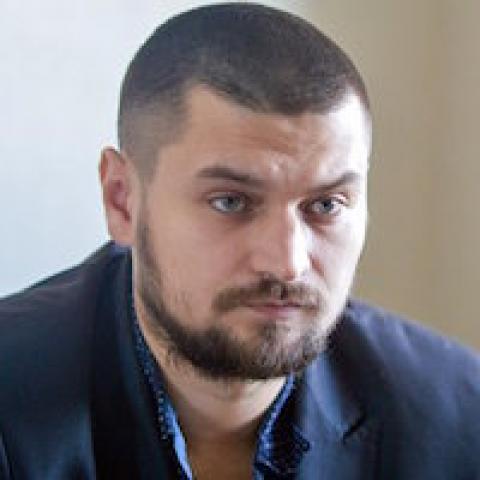

The history of Russia's Wagner Private Military Company in Syria is actually over. Only a few dozen mercenaries remain in the country; the main groups have been withdrawn from the country to Russia and Belarus. Wagner mercenaries had already handed over all their heavy weapons to the regular military and left Syria in the spring of 2016. A few months later, however, they returned and had to retake Palmyra from Islamic State (ISIS) militants for the second time. Now, however, Wagner is unlikely to be able to return.
Away from the Ministry of Defense
Wagner has been "definitively disbanded," Andrei Kartapolov, chairman of the Russian parliament's Defense Committee, declared on Nov. 2.
"It has finally been disbanded, and most of the fighters are in the process of being transferred to other structures. Some continue to carry out tasks in African countries, but under, let's say, a different brand; under the auspices of the Ministry of Defense, some have signed a contract with the armed forces, some have joined Rosgvardiya," the Russian National Guard, Kartapolov said.


