



How feasible is Raisi’s economic roadmap for Iran?
The ministry of finance's new set of economic goals and timelines outlines lofty ambitions but ignores the current limits that sanctions place on Iran's international trade.
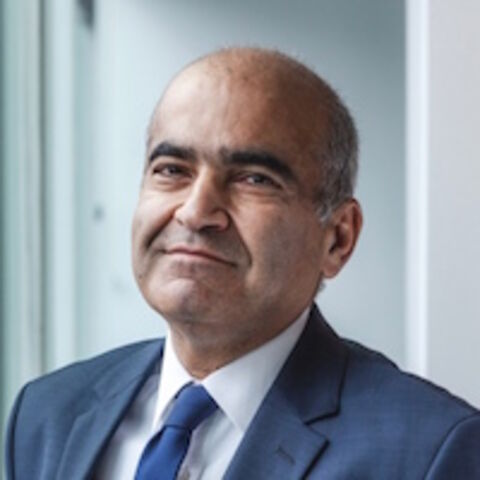

Ehsan Khandoozi, Iran’s minister of finance and economic affairs, has outlined details of an “economic roadmap” to address the country’s economic ills. The goals and timeline had been published in June, but experts were waiting for detailed actions to be published. In the meantime, comments by the minister as well as an initial assessment of the plan reveal more about the feasibility of specific undertakings. There is no doubt that the economic performance of Ebrahim Raisi’s government will be the main benchmark for his success as president.
The roadmap itself lists timelined measures under seven headings — GDP growth and export promotion, reduction of household expenses, growth of household income, reforming the state budget, financial sector reforms, tax reforms and increased transparency.
Khandoozi has outlined as priorities: Strengthening the national currency, containing foreign exchange fluctuations, and eliminating speculative foreign exchange trading. He has also referred to limiting the growth of banks' balance sheets, managing the interbank interest rates, and other monetary and credit instruments. He has also pointed to measures such as containing the growth of government spending to one-third of expected inflation, smart detection of tax evasion, increasing revenue from the sale of government assets and observing budget discipline.
In Khandoozi’s words, the benchmark of success will be that none of the new policies should undermine real growth in the economy. The minister himself has stated, “Facilitating economic growth [can be achieved] by reducing the cost of production, mainstreaming government regulations, strengthening intellectual property rights and facilitating the financing of projects.” He also wants to heavily tax speculative and profiteering activities.


