



Israeli Bedouin lawmaker emerges as weak link in new government
Even though his party is part of Israel’s new coalition, Ra’am Knesset member Saeed Alkharumi is already making waves over his top concern: house demolitions in unrecognized Bedouin villages.

Israel’s new cabinet held its first formal meeting June 20. The atmosphere was positive with smiles all around, but there was a commotion. Ra’am members arrived in a panic, exclaiming that Green Patrol teams (a unit of the Environmental Protection Ministry empowered to carry out inspections and investigations) were on their way to the unrecognized Bedouin village of Bir Hadj, accompanied by police officers, with some 300 demolition orders ready to issue.
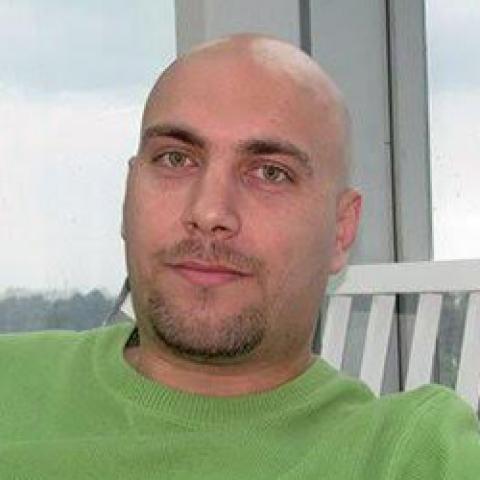
The mini political drama seemed to center on Ra’am Knesset member Saeed Alkharumi, the only member of Ra’am to abstain from the vote on the formation of the government, despite the coalition agreement his party had signed. Many words and promises were exchanged and in the end, no demolition orders were issued.
Alkharumi is an Arab Bedouin politician who once served as the head of the regional council of Segev Shalom and belongs to the Al-Azazma tribe, one of the biggest of the Negev. He has quite a lot of political power from in the tens of thousands of Bedouin votes Ra’am receives. “Without the Bedouins of the Negev there’s no Raam. This is the base of our power. The population here depends on us to work for them. This is the goal at the top of our priorities, to improve our life in the Negev,” declared Alkharumi in a June 17 interview with the Israeli newspaper Yedioth Ahronot. He clarified, “If within a year nothing changes, we’ll have to rethink our support for the government.”
Alkharumi is evidently causing headaches for the Ra’am leadership and the Shura Council, the body that determines the party’s policies according to its principles. When Alkharumi abstained from the June 13 vote for the establishment of the new government, he went against the council’s decision. Afterward, he thanked his Ra’am colleagues on Facebook for recognizing his situation, saying that he appreciates their understanding.


