



Palestinian, international observers weigh Biden approach to Palestinian conflict
Although the Biden administration promised to reverse many of the previous US decisions, Palestinians-US relations are moving forward at a very slow pace.
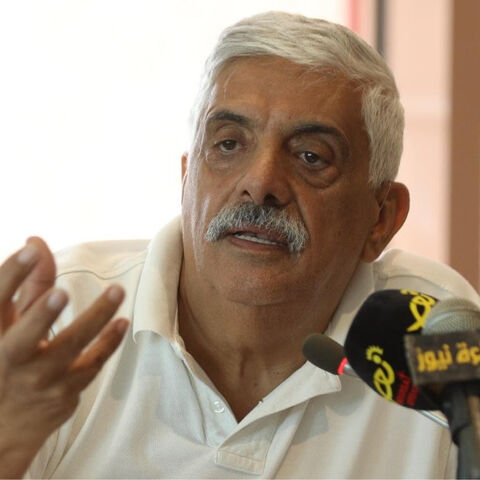

Most Palestinian and international observers would describe the Biden administration, now approaching its third month in office, as being steady, positive but slow with a low priority in addressing the Palestinian issue.
In both his election campaign and after taking office, the 46th president of the United States had promised to renew dialogue with Palestinians and reverse most, but not all, the Trump administration decisions. The restoration of dialogue has run into bureaucratic trouble due to existing anti-terror legislation, so the slow movement has been focused largely on reinitiating financial aid and reversal of semantic description of the conflict and the needed conditions to restart peace talks.
Ahmad Deek, director of the Palestinian foreign minister’s office, told Al-Monitor that the Biden administration is moving in the right direction, noting, “We welcome the steps announced so far including the return of financial support, the reference to the two-state solution and the description of occupied territories.” Deek said that the Palestinians are hoping the White House will “speed up setting up the phone call between President [Joe] Biden and President [Mahmoud] Abbas.”
But James Zogby, a veteran US democratic leader and president of the Arab American Institute, told Al-Monitor some of the early statements made are not promising. “They indicate the same view that has long characterized Washington's approach to the conflict in which Palestinian rights take a back seat to concerns for Israeli security.”


