



Russia seeks to outplay the US in Libya
While Russia's preferred candidates lost in last week's vote for interim leadership in Libya, Moscow still has a strategy for reinforcing its influence in the country.
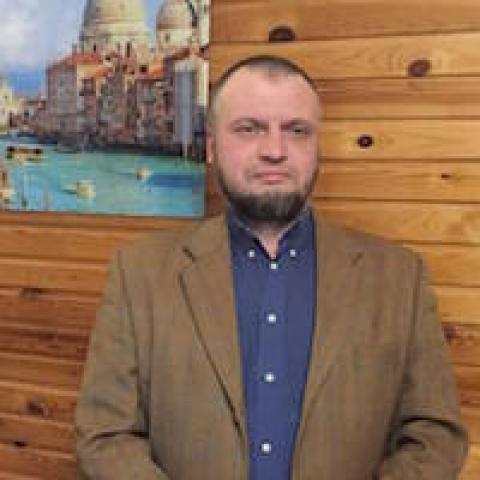

On Feb. 5, members of the UN-led Libyan Political Dialogue Forum (LPDF) voted on interim leadership for its executive council, selecting Mohammad Younes Menfi as chairman of the Presidency Council and Abdul Hamid Mohammed Dbeibah as interim prime minister. The outcome of the vote by the 74-member forum came as a big surprise to external sponsors of the Libyan peace process — and Russia was no exception here. Moscow believed that a list it had agreed upon with Ankara and Cairo, led by Interior Minister Fathi Bashagha and Chairman of the House of Representatives Aquila Saleh, should have claimed the victory.
On the other hand, for Russia in Libya, by and large nothing has changed after the vote. Moscow still expects that its favorite figures will retain their positions, both in the new interim government of Libya — possibly receiving ministerial portfolios there — and following the national elections set for Dec. 24, 2021.
It is significant that precisely a week before the LPDF vote, Moscow received delegations from the opposing sides from the west and east of the country.
On Jan. 29, Deputy Prime Minister of the Tripoli-based Government of National Accord (GNA) Ahmed Maiteeq met in Moscow with Russian Foreign Minister Sergey Lavrov. A day earlier, Maiteeq also held talks with Russian Minister of Industry and Trade Denis Manturov.


