



The Takeaway: Egypt welcomes US mediation to help break high-stakes deadlock over Nile dam
Motaz Zahran, Egypt’s ambassador to the United States, says Ethiopia has "no political will" to resolve dam dispute; who’s buying Golani’s makeover?; former ambassador to United States says Israel needs "united front" against Iran nuclear deal; Egypt’s first female mixed martial arts fighter.
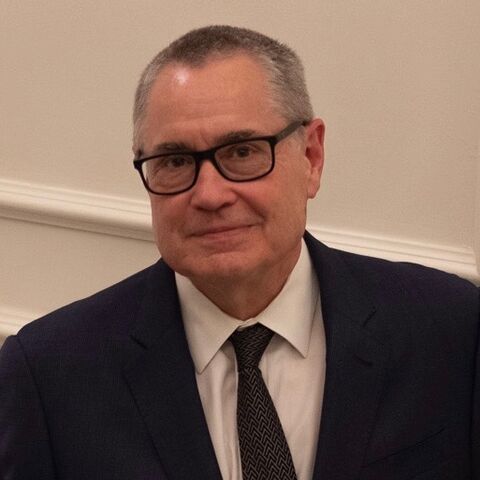

'Avalanche of socioeconomic turbulence' possible if Nile dam talks fail, says Egypt’s ambassador to the United States
Motaz Zahran, Egypt’s ambassador to the United States, welcomed US and international mediation of a dangerous dispute over the Nile’s waters between Egypt and its upriver neighbor, Ethiopia. Zahran said Addis Ababa is showing "no political will whatsoever" in reaching agreement on the Grand Ethiopian Renaissance Dam (GERD), which is why US and international intervention is needed, and welcome, to break the deadlock.
- In his confirmation hearing last month, US Secretary of State Antony Blinken warned that the stalled GERD talks could "boil over," and promised that the United States would be "fully engaged" in the region.
- "We certainly encourage the new administration to be fully engaged in shepherding" a resolution of the stalled talks, Zahran said in an exclusive interview with Al-Monitor.
- Egypt depends on the Nile for 95% of its water. If that water source isn’t carefully managed, Zahran warns, there is the "potential to disrupt the livelihoods for over 150 million Egyptians and Sudanese"; all this could "create an avalanche of socioeconomic turbulence."
Zahran also discussed:
• Why the US-Egyptian relationship "transcends local politics" in both countries.
• The Egyptian economy’s resilience during the COVID-19 pandemic (see below).


