



Netanyahu bets everything on vaccination drive
As the March 23 elections approach, Prime Minister Benjamin Netanyahu has wagered everything on stopping the pandemic.
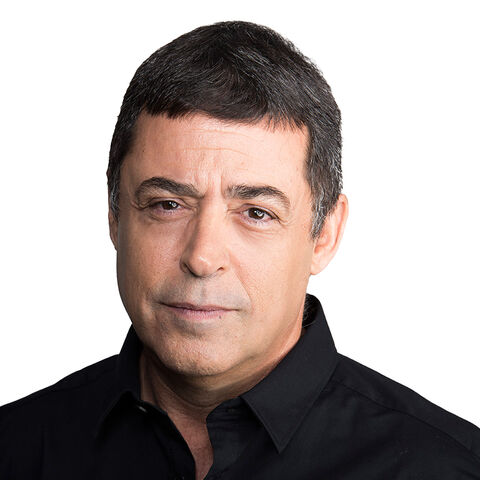

Three normalization and peace agreements, three indictments, US recognition of Jerusalem as Israel’s capital and of the Golan Heights as Israeli territory and ultimately the fate of Prime Minister Benjamin Netanyahu all rest on Israel's success against the coronavirus. He, his opponents and the Israeli public all know it.
Netanyahu is fighting on many fronts these days. His goal of winning a 61-seat Knesset majority, which has eluded him through three consecutive elections, appears further away than ever. The COVID-19 pandemic has reshuffled the political deck and the March 23 elections hinge on two races directly related to the pandemic. Will the achievements of the massive COVID-19 vaccination campaign, in which Israel leads the world, outshine the effects of the harsh economic downturn and the government’s many failures in handling other facets of the crisis?
At a recent online meeting with representatives of the small business protest movement known as the “Schulmans,” video of which was leaked to the media, Netanyahu was heard saying that his Likud could realistically garner 42 Knesset seats in light of the vaccination drive and the peace agreements he engineered with several Arab and Muslim states. The greater the number of COVID-19 cases, he added, pointing to graphs on a white board behind him, the lower the voter support for the Likud, and vice versa.
Netanyahu’s remarks now feature in his opponents’ campaigns as proof that the prime minister is so cynical that he's exploiting a deadly epidemic that has taken the lives of more than 4,000 Israelis to his political advantage.


