



Pro-settler Saar: the new hope of Israel's center-left
Likud-rebel Gideon Saar is against a Palestinian state and is close to the ultra-Orthodox politicians, yet voters from the center-left camp support him in the polls.
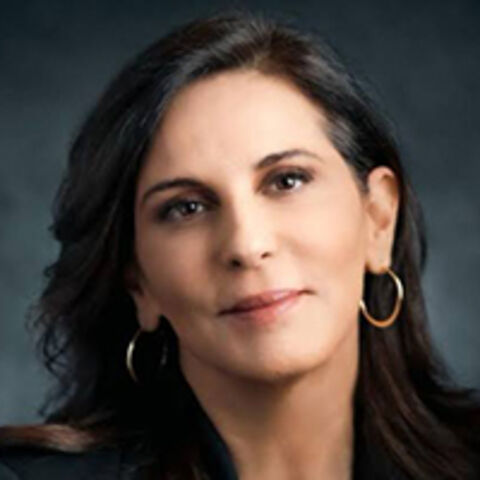

Even Israel’s most experienced poll-takers did not predict the intensity of the “Gideon Saar Phenomenon.”
Indeed, only a day after he quit the Likud on Dec. 8, Saar announced he will compete for premiership in the next elections against Prime Minister Benjamin Netanyahu. With this goal in mind, he formed a new right-wing party that has already accumulated in the polls a high double-digit of mandates. Still, similar moves had occurred in the past, in periods when people became fed up with the country’s leadership, period. But in Saar’s case, it is more than that. It is not only a story of a meteoric political rise, but mainly the potential profile of his voters, with many of them drawn from the secular center-left depleted electoral pool.
Actually, all the polls taken since Saar declared his political independence point to the fact that he is supported also by disappointed Blue and White party voters. These are the voters who had high hopes that Defense Minister Benny Gantz could unseat Netanyahu, and when this didn’t happen, they abandoned Gantz.
All the previous political stations of Saar’s life were in distinctive right-wing parties. So how did it happen that 53-year-old Saar is garnering significant support from the secular center-left? The question becomes even sharper when looking into Saar’s first years in politics. As a young man, he had identified with the pro-settler Hatchiya party that was even more right-wing than the Likud.


