



Israel becoming powerhouse of first-crop olive oil
Several family olive groves in Israel are specialized in first-crop olive oil, a cloudy oil containing very fresh, very strong flavors.
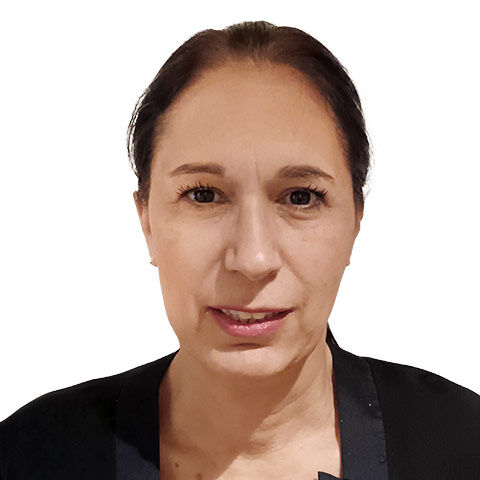

Neta Degany is busy. The harvest period of olives is expected to stretch out this year through almost two months because of a great variation in ripening, so time is of the essence. More so, most of the future production of Degany family olive oil has already been commissioned way before the olives have been picked off the trees. “This year we will sell almost exclusively only first-crop olive oil. Our customers have placed their orders long ago," Degany tells Al-Monitor.
By customers, she means mostly restaurant owners and chefs, but also simple connoisseurs. She notes that their boutique olive oil has become a product much in demand both locally and abroad, especially the first-crop oil. “Our oil is extracted from olives of the Nabali variety, which is an ancient local one. The Nabali fruits produce less oil than other varieties, but anyone who appreciates olive oil knows that the taste of the oil extracted from Nabali trees is really exceptional," she explains.
The Degany olive orchard is located at the foot of the Tel Gezer archaeological hill. It is very spacious, with relatively few trees per dunam. This way, each tree gets light from all directions and can also make better use of rainwater. Degany says that they do not irrigate their trees and do not use any fertilizers or pesticides. Everything is natural. The customers obviously love that.
Iddo Pinkas is also an olive oil enthusiast. Iddo and his two brothers run the family grove at Karmei Yosef village. Iddo is a scientist at the Weizmann Institute, his brother Erran is a career air force officer and Assaf comes from the high-tech world. “In 1988, having lost our parents to cancer, we — the three brothers — decided to continue running the family farm as a way of keeping together," Iddo tells Al-Monitor. They too, he says, offer first-crop olive oil.


