



Russia's outreach to Syrian Kurds highlights dual-track approach
While Russia blames the United States for adding fuel to the fire of Kurdish separatism, it calls on the Syrian Kurds to lay the groundwork for constitutional reform, so as to contain conflict in the territories over which Damascus has long lost control.
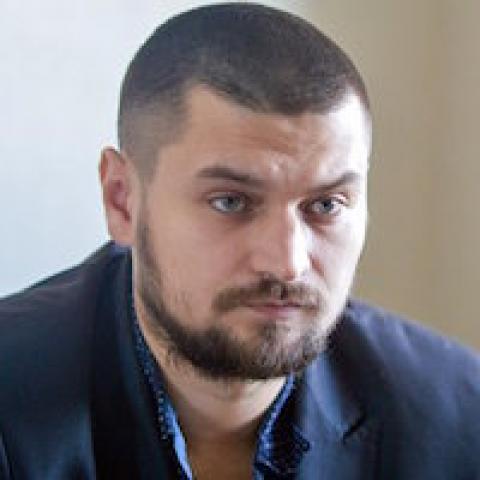

Russian Foreign Minister Sergey Lavrov issued a warning during an Oct. 5 press conference over the risk of an escalation of the Kurdish problem due to the US attempts "to cobble up a Kurdish autonomy." Washington, he said, is known to be talking the Turks “into not objecting to the idea of creating such autonomy, assuring them that the Americans will ensure the Kurds’ loyalty.”
"This applies not only to Syria, but also to the Kurdish problem, which can be so explosive that the current situation will appear much less serious," Lavrov said.
Before that, the Russian Foreign Ministry had commented on a surprise visit Sept. 20 by Ambassador James Jeffrey, the US special representative for Syria engagement, to northeastern Syria, calling it evidence of a "disregard for international law." The American diplomat held meetings there with the representatives of both the Kurdish National Council (KNC), allies of Turkey and the Iraqi Barzani clan, and the Kurdish National Unity Parties (PYNK). The latter was formed in May under the guidance of the Syrian Democratic Command and comprises 25 Kurdish movements and organizations, including the Democratic Union Party (PYD).
Jeffrey’s visit coincided with the announcement of the formation of the Supreme Kurdish Reference tasked with putting together an overarching political strategy of the Kurdish movement in Syria. It was thus predictable for the Russian Foreign Ministry to blame Washington for adding fuel to the fire of Kurdish separatism. Moscow also reiterated its call on the Kurds to contribute toward laying the groundwork for constitutional reform, not just in the context of the Constitutional Committee in Geneva but also in the framework of direct dialogue with Damascus.


