



Abbas’ decision to cut ties with Israel will weaken PA, boost PLO
The Palestinian president's decision to sever relations with Israel means strengthening the larger Palestine Liberation Organization, which represents all Palestinians and is not limited to the occupied territories.
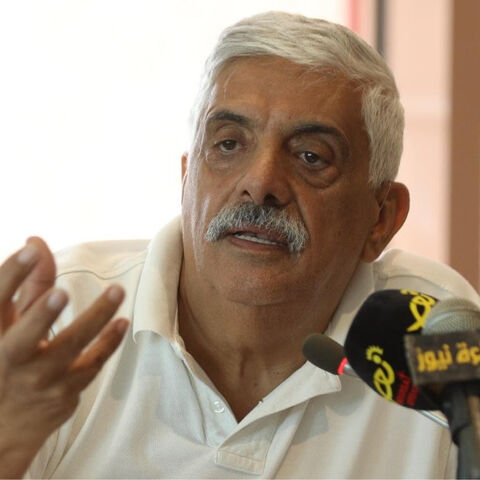

While the long-term ramifications of the Palestinian leadership’s decision to break administrative and security ties with Israel are still unclear, it can only mean the strengthening of the Palestine Liberation Organization at the cost of weakening the local Palestinian government.
Senior Palestinian officials, such as Fatah Secretary General Jibril Rajoub, insist that the decision is strategic and sincere. Yet many are doubting the decision because it seems to come with little planning and almost no details are available. It is being argued that the decision by the Fatah-dominated PLO goes in line with Fatah's practice of making decisions and then making adjustments as they are implemented.
PLO Executive Committee member Hanan Ashrawi agrees that Palestinian President Mahmoud Abbas’ announcement on May 20 means a shift toward the PLO, but feels that the latter needs to be reformed and revitalized. “That’s been the plan of the Palestine National Council and Palestine Central Council for some time. But this needs the reform and revitalization of the PLO and its institutions, including elections, and a readjustment of its relationship to the Palestinian Authority.”
Ashrawi noted that a “lot has to be done if the political and representative mandate of the PLO is to be fully exercised to lead to national liberation and sovereignty.”


