



Jordan’s king waives rent to Jerusalem Waqf property owners
King Abdullah II has ordered the waiver of rental payments to all Jerusalemites renting from the Islamic Waqf until the end of the year.
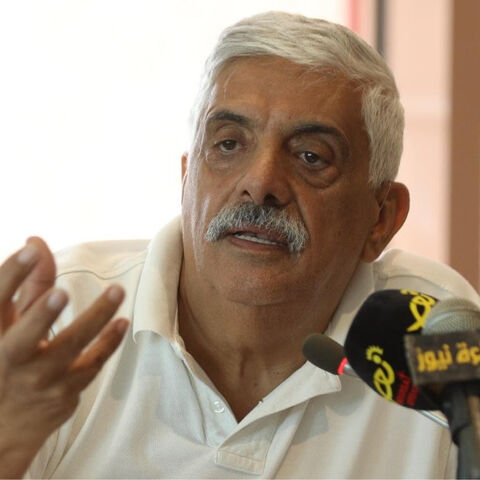

Jordan’s King Abdullah II, custodian of holy sites in Jerusalem, has instructed the Jerusalem Islamic Waqf to waive rentals of all Waqf properties in Jerusalem until the end of 2020. The Jerusalem Islamic Waqf and the city’s dignitaries welcomed the decision. A number of religious and private landlords are considering similar moves.
In a statement released March 25, the Jordanian administration's Ministry of Awqaf and Al-Aqsa Mosque Affairs welcomed the decision, saying it “will provide people, businesses and institutions with some security in the difficult times that the world is experiencing due to the outbreak of the coronavirus.”
A large number of homes and shops in Jerusalem and especially in the Old City are managed by a variety of endowments. During times of war and conflict, landowners often turn over their homes and other properties to religious institutions to manage, because they believe that mosques and churches will be immune from attempts at the nationalization of properties. Similarly, families who have chosen to live abroad also endowed their properties in what is called "Waqf thury,” or family endowments. Over the years, this has turned various religious institutions into major landlords in the holy city.
At least 60% of properties in the entire city of Jerusalem — east and west — are owned by the Greek Orthodox Church. The Orthodox Patriarchate rents for long periods of time properties that include the land where the Israeli Knesset lies and the house of the Israeli prime minister as well as most shops in the Old City and the majority of the Christian quarter in the city.


